
When we think of the big companies that are setting the pace in artificial intelligence , it’s easy to first consider names like OpenAI, Google, Microsoft, Meta , and Anthropic —the latter of which has just published a valuable guide to enhance our prompting techniques. Companies such as Deepseek or the European Mistral AI could also make their mark. However, it is clear that the dominance of the United States in the overall narrative of AI is hard to overlook.
In contrast, Europe and China appear more obscure in the global AI landscape. For China, the lack of visibility does not stem from a scarcity of talent; tech giants like Baidu and Tencent are heavily investing in AI. Instead, factors include cultural differences , access restrictions , and a strategy that unfolds in alternate lanes. Analysts concur that despite these hurdles, China is gaining ground at an accelerated pace. Europe, meanwhile, is still grappling with finding its footing while overhauling its often-criticized regulatory framework.
In this landscape, Mistral AI has accomplished something previously deemed beyond European reach: it is now competing on the same level as major U.S. models. With a valuation exceeding 6 billion euros , Mistral frequently appears in technical comparisons with established names like OpenAI or Google DeepMind. Founded by former engineers from Meta and Google, this French startup has thrust Europe back into the innovation spotlight . But Mistral is not alone in this endeavor.
A Swedish Startup, Huge Valuation, and AI Generating Millions
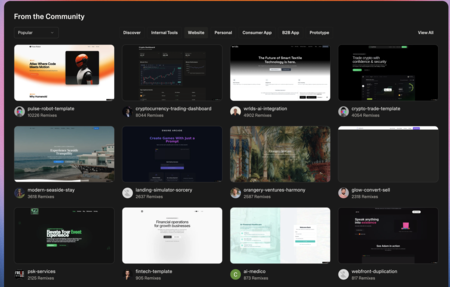
A new contender has recently emerged on the scene—a startup from Stockholm named Lovable . Having gained attention quickly, this company launched its flagship product at the end of November 2023. Lovable offers a platform capable of building complete web applications simply from a written instruction. In only six months of operations, CEO Anton Osika announced that they had already reached 50 million euros in annual recurring revenue . This figure not only astonished the tech community but also alerted risk capital investors to take notice.
According to reports from Financial Times and TechCrunch , Lovable is in the final stages of raising over $150 million , which would push its valuation close to $2 billion . The funding round is set to be spearheaded by Accel , with participation from Creandum —which had previously invested in a $15 million round in February—and firms such as 20Vc . Rapid valuation increases are not typical, but in Lovable’s case, the market appears to be validating its business model.
The technical ambition of Lovable is impressive: it promises to generate the backend, frontend , and connections with databases like Supabase without requiring users to write a single line of code. Early testers of their web creation tool have reported interesting results. With just a brief prompt of around 250 characters, the platform can generate a functional and aesthetically pleasing webpage in seconds. While it may require further refinement to become a market-ready product, the initial outputs are quite striking.

The Lovable platform operates on a credit basis—customers can subscribe for $25 per month to receive 250 credits—making it an accessible option for those looking to develop applications without an engineering background. Recently, Lovable announced the beta release of an AI agent , which goes a step further. This new system not only generates code but also understands existing projects, edits files, debugs errors, and can take on maintenance tasks.

It remains to be seen if Lovable can solidify its position in such a competitive field as generative AI. However, what it has accomplished so far is significant: in just two years, it has developed a functional tool, achieved impressive valuation figures, and sparked growing interest among users and investors alike. Europe has clearly expressed its desire to play a relevant role in this competitive race, and Lovable’s emergence only strengthens that trend.
Images | Lovable | Xataka screen capture
In Xataka | China has been cultivating Stem talent in silence for 40 years. Today, it has the most coveted talent pool on the planet.