
The Current State of Ticket Resale: A Growing Concern
The situation with the resale of tickets has become so unsustainable that the government has had to take action. Recently, new regulations were introduced to limit the prices that tickets can reach on the resale market. The unchecked growth of ticket prices has not only frustrated fans but has also raised fears about the reemergence of the black market for tickets. As legal resale platforms face potential extinction due to these regulations, many question: if these platforms disappear, would ticket resale completely vanish? All signs indicate that this is unlikely.
The Sustainable Consumption Law
The Sustainable Consumption Law is the title of the draft approved this Tuesday in the Council of Ministers. It introduces significant changes to the ticket market, specifically prohibiting resale at prices exceeding the original price plus the accumulated variation of the Consumer Price Index (CPI) . For instance, if a ticket initially cost 100 euros and the CPI has increased by 3%, the maximum legal resale price would be capped at 103 euros .
This regulation aims to curb the rampant price inflation that tickets have experienced, particularly on authorized resale platforms like Ticketmaster’s Fan to Fan, Stubhub , and Ticketswap.
The Escalating Ticket Prices
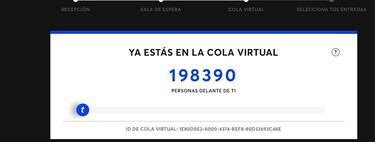
The issue of ticket resale has come into sharp focus during high-demand events, such as the sold-out Bad Bunny concerts of 2026 . Obtaining tickets has become nearly impossible, with resale prices on platforms skyrocketing to amounts five times higher than original prices.
The Resale Market Problem
According to a report from El País, this artificially inflated resale market is exacerbated by the use of bots —a practice that is illegal yet difficult to enforce. A spokesperson from the Consumer Protection Agency indicated that the financial incentives associated with ticket resale complicate the enforcement of existing laws. Hence, the new regulation aims to make excessive price inflation illegal , enabling authorities to block websites responsible for violations and punish offenders.
The Risk of a Black Market
With the introduction of these regulations, there is a significant risk of increasing the black market for ticket sales. If legitimate resale platforms cease to exist, a portion of the unmet demand may shift to unregulated channels, where prices could continue to rise unchecked and buyers would lack purchase guarantees. Notably, Spain had already experienced a parallel black market before the law’s enactment, particularly for sought-after events, where tickets were sold through social media, messaging groups, and unofficial websites. This practice could be revived if demand persists.
One wonders if we might witness the return of the classic adage: “I sell a Boli Bic for 300 euros and throw in a Bad Bunny ticket.” Such euphemisms may become commonplace once again.
Lessons from Europe
Countries like France and the United Kingdom have encountered similar challenges that could help inform Spain’s approach. Since 2012, France has enforced some of Europe’s strictest laws against unauthorized ticket sales, banning the resale of tickets without the organizer’s consent; violations can incur hefty fines of up to 15,000 euros . Despite these stringent measures, the black market in France still accounts for 10% to 25% of total ticket sales, particularly for major concerts and sporting events.
The United Kingdom’s secondary market resembles Spain’s current landscape, with platforms like Stubhub and Viagogo frequently dominating resale at inflated prices. While rules demand transparency—such as revealing original prices and specific seat locations—the issues of speculation and bot usage remain rampant. In 2024, over 9,800 fraud cases related to ticket resale were reported in the UK, leading to losses exceeding 9.7 million pounds .
As Spain navigates this complex intersection of consumer rights and market sustainability, the upcoming months will be crucial. Stakeholders must weigh the benefits of new regulations against the unintended consequences that may arise in a world of evolving consumer behavior and demand.