
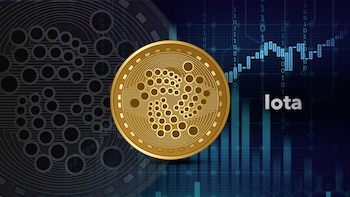
Understanding Iota: A Game-Changer in the Cryptocurrency Landscape
Iota is one of the cryptocurrencies that are revolutionizing the digital currency market because unlike its competitors such as Bitcoin or Ethereum, it is based on a technology that is significantly different from the blockchain. It eliminates the need for miners, making the entire process more efficient and user-friendly.
For finance experts, Iota represents an ambitious and risky venture, aiming primarily to integrate digital currencies within a single network called the Internet of Things (IoT). This integration is designed to facilitate seamless transactions across connected devices, enhancing their utility and functionality.
Currently, Iota is quoted at $0.15 USD as of 10:30 AM UTC, marking a slight decline of -0.6% over the last 24 hours. Additionally, its value has fluctuated by 0.63% in the past hour, maintaining its position at #96 among digital currencies on popular trading platforms.
Developed by a German foundation, Iota employs a unique architecture known as Tangle , which is structured around a Directed Acyclic Graph (DAG). This innovative design enables transactions to be conducted easily, requiring only a smartphone or computer. Remarkably, it consumes far less energy compared to traditional blockchain networks.
One of the standout features of Iota is that users can initiate transactions without facing any commission fees. Instead, users are required to validate other transactions before executing their own, further streamlining the process.
The unique Iota technology guarantees a more reliable environment for its users compared to the standard blockchain. While traditional blockchain networks can allow for asynchronous and slower transactions for security purposes, Tangle allows for parallel operations , thereby improving transactions’ speed and efficiency.
Iota has a maximum supply of 2,779,350,283 tokens and aims to make microtransactions down to $0.001 feasible without any transaction fees. Each operation requires a “seed,” an 81-character code generated randomly to prevent theft of funds.
Among its strengths, Iota shows considerable resistance to quantum computing , which is expected to surpass today’s computing capabilities by millions of times. However, its vulnerability to security breaches was starkly highlighted during a hacking incident in 2017, which resulted in a significant decline in value and trading volumes.
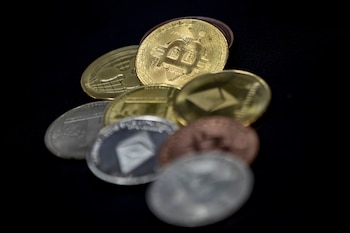
Bitcoin was the first cryptocurrency to enter the market, paving the way for others like Litecoin, Ethereum, Iota, Tether, Cash, Ripple, Decentraland, and even meme-inspired currencies like Dogecoin. Each of these cryptocurrencies contributes unique elements to the financial landscape, such as decentralization and reduced reliance on third-party institutions.
However, the lack of regulation has led to concerns regarding reliability, volatility, and potential fraud. Critics point out that cryptocurrencies frequently lack a supportive legal framework, which can facilitate illegal activities. Despite these concerns, cryptocurrencies still guarantee a level of security to their users—primarily through complex cryptographic algorithms.
Acquiring and exchanging cryptocurrencies typically occurs through specialized platforms. The value of these currencies is influenced by several factors, including supply, demand, and user engagement. As interest grows, so does the value, making it a fluid and dynamic market.
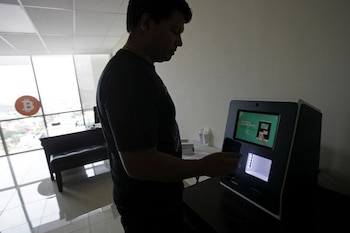
Investing in cryptocurrencies presents a high-risk scenario. Significant gains are possible, but sudden market collapses can also wipe out investments. To safely store these digital assets, users must utilize a digital wallet or software designed for managing cryptocurrencies. These wallets do not store the actual coins but rather the keys that provide ownership rights, and protecting these keys is essential.