
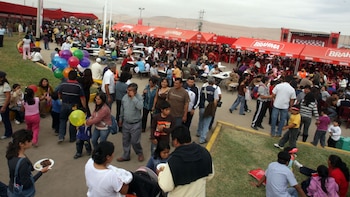
The Allure of Tacna: A Border Destination for Health and Culture
Tacna has emerged as one of the main border tourism destinations , primarily driven by the constant influx of Chilean visitors , mainly from Arica. According to data from the National Migration Superintendence , more than one million foreigners crossed the Santa Rosa Border Control Post in 2024, with approximately 850,000 being Chilean citizens.
This significant movement into the ‘Heroic city’ has piqued the interest of local authorities and private sector stakeholders, seeking to understand the reasons behind the sustained allure that Tacna holds for border tourism . While geographical proximity plays a key role, several other factors explain why thousands opt to enter Peruvian territory daily.
One of the principal draws for Chilean visitors is the opportunity to access health services at significantly lower prices. Dental, ophthalmological, and specialized consultations can cost up to 70% less than in Chile. This price disparity has positioned Tacna as a hub for medical tourism, without compromising the quality of care.
Chile’s healthcare system is often deemed expensive for a multitude of interrelated reasons. The country allocates about 9.8% of its GDP to medical care, compared to 6.3% in Peru, indicative of a more elaborate expense structure. Moreover, per capita expenditure surpasses USD 1,500, a figure considerably higher than that in several comparable nations. This elevated spending does not always guarantee better access; inequities exist between the public (Fonasa) and private (Isapre) systems, with those using private insurance bearing additional premiums on top of 7% salary deductions.

Furthermore, the private healthcare system operates on a risk collection model that can make insurance prohibitively expensive for individuals with existing medical conditions or advanced age, despite recent legislative changes aimed at mitigating some of these costs. Public healthcare options also exhibit long waiting lists, along with limited access to cutting-edge diagnostic technologies, compelling many Chileans to opt for private healthcare. This situation exacerbates overall healthcare expenditures.
The variation in product prices between the two countries additionally enforces this trend. Many Chileans flock to Tacna to purchase a range of goods—everything from electronics to apparel—at markedly reduced prices. This phenomenon has reinforced Tacna’s position as a go-to shopping destination on the border.
The gastronomic scene in Tacna is yet another significant draw. Traditional dishes such as Ceviche , Lomo Saltado , or the classic Tacneño marinade represent an integral part of the culinary experience that visitors seek. The internationally acclaimed Peruvian cuisine consistently attracts those wishing to enjoy quality meals without excessive costs.
In recent years, Tacna has seen considerable infrastructure improvements. New hotels, shopping centers, cinemas, casinos, and recreational facilities have bolstered its appeal. This growth is advantageous for visitors seeking health services or shopping, as well as families in search of comprehensive entertainment options.

Recently, new routes and destinations have been promoted, including the picturesque Candarave , the scenic Boca del Río , and the rejuvenating hot springs of Calientes . Additionally, cave paintings from Miculla enrich the historical narrative of the area, allowing for a diversified visitor profile and more reasons for guests to extend their stay.
Although Tacna and Arica maintain a mutually dependent relationship, Tacna has capitalized more effectively on its advantages. With over 5 million annual crossings at the Chacalluta pass, this Peruvian city has distinguished itself in the region through its diverse and competitive offerings.
Since 2005, Peruvian and Chilean citizens have enjoyed eased border crossing regulations, able to pass through without major restrictions and stay for up to 90 days as tourists . This change has encouraged an increase in frequent tourism. Influencers from Chile highlight that Tacna offers better quality of life, more developed infrastructure, and accessible services compared to other locales. This contributes to its perception as a convenient, safe, and well-rounded destination for its southern neighbors.
Tacna combines urban history, natural beauty, and vibrant culture, known for its republican heritage and ties to the coastal desert. The city center, featuring the Plaza de Armas , offers a stunning view with its grand cathedral and the monumental parabolic arch. This structure, nearly 18 meters tall, commemorates national heroes like Miguel Grau and Francisco Bolognesi , becoming a cherished symbol of local pride and a social hub.
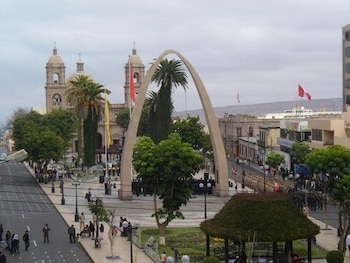
Nearby is the Municipal Theater , a nineteenth-century building showcasing neoclassical architecture and reflecting important local historical events. Inside, visitors can find a collection of artwork and decorative elements that enhance its cultural significance. The National Railway Museum , located in the old Tacna-Arica train station, preserves locomotives and carriages that echo the vital role of the railway in regional development and defense.
The Locomotive Park , on the other hand, features a historic steam engine used during the Pacific War, along with statues of Peruvian heroes, making it an ideal venue for cultural and family-friendly activities. A short distance from the city center, the Monumental Complex of the Alianza offers panoramic views and a memorial to the historic battle fought in 1880, solidifying its status as both a historical site and a scenic lookout.
For those interested in local traditions, the city boasts a Pisco route, featuring visits to local wineries where visitors can learn about production methods and sample artisanal varieties. The cultural richness extends into the surrounding areas, particularly at the archaeological site of Miculla, where ancient rock engravings showcase pre-Columbian artistic expressions.
Tacna’s cuisine stands out, merging indigenous, Spanish, and mestizo influences to create a variety of dishes that reflect the region’s cultural and geographical wealth. The gastronomy is marked by the use of native ingredients such as potatoes, corn, guinea pig, and chili peppers, prepared using traditional techniques that enhance their natural flavors.
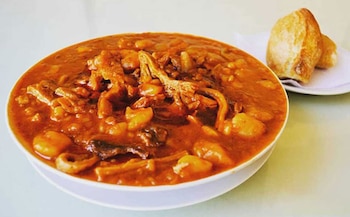
One of the signature dishes is the Spicy to the Tacneña , a hearty stew that combines meats like charqui, beef, and mondongo, simmered with potatoes and seasoned with panca chili. This dish is traditionally served with marraqueta bread and a glass of semi-sweet wine, celebrated every third Sunday in August.
Tacneño Adobo , another classic, features pork marinated in vinegar, garlic, oregano, and cumin, cooked until tender. It is often served with potatoes, sweet potatoes, white rice, or poisoned corn, typically enjoyed with a glass of pisco.
Simple yet delightful, Choclo with cheese combines tender corn with fresh cheese, enhancing the sweet and salty elements. This dish serves as both a snack and a side item.
Finally, pig chicharrón is a beloved choice, made from pork cooked in its own fat until crispy, typically accompanied by roasted corn, sanctioned potatoes, or fried sweet potatoes, topped with a Creole sauce made from red onions, rocoto, and lemon.
In summary, Tacna represents a unique fusion of culture, health, and gastronomy that continues to attract tourists from Chile and beyond. Its blend of historical significance, medical advantages, and culinary delights makes it a standout destination in the region.
General News – 2