
Tragedy in Tlahuelilpan: Institutional Failures and Human Rights Violations
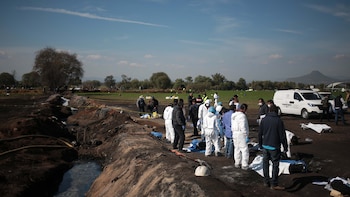
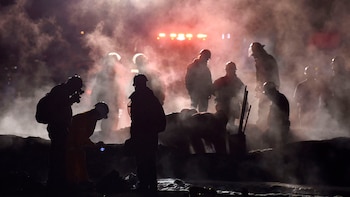
A special report presented by the National Human Rights Commission (CNDH) revealed that Petróleos Mexicanos (Pemex) had prior knowledge of the risk represented by clandestine shots in the community of San Primitivo, Tlahuelilpan in the state of Hidalgo before the devastating explosion on January 18, 2019. This catastrophe resulted in the tragic loss of 138 lives and highlighted the ongoing vulnerability of communities grappling with the issue of huachicoleo—illegal fuel extraction.
According to the CNDH’s findings, published on June 22, 2025, the calamity was not merely an accident waiting to happen. It was attributed to a chain of institutional omissions, most notably that Pemex failed to enact essential prevention protocols and did not adhere to legal guidelines concerning human rights and environmental safety.
Pemex’s Outdated Systems and Neglected Responsibilities
The report pointed out that the state-owned oil company operates with outdated systems and obsolete technology, hindering proactive measures to detect clandestine hydrocarbon operations—a growing problem across various regions in Mexico. Shockingly, the CNDH emphasized that Pemex has concentrated its efforts on closing irregular shots but has not implemented comprehensive preventive measures.
As a consequence, the public expenditure stemming from the emergency in Tlahuelilpan surpassed 85 million pesos. Despite these staggering costs, no clear actions have been taken to repair the material, social, and environmental damages caused by the explosion.
The Call for Institutional Accountability and Community Remediation
In light of these findings, the CNDH has urged Pemex to collaborate with federal authorities, the government of Hidalgo, and the municipality of Tlahuelilpan to establish a Comprehensive Remediation Program. This initiative should include community participation, guarantee the memory of the victims, and promote efforts to restore the affected area.
Additionally, the report denounces that the Mexican State failed to uphold its duty to safeguard human rights by ignoring a foreseeable risk, inadequately attending to the victims, and failing to develop a soil recovery plan.
The document also asserts that the Tlahuelilpan tragedy is a manifestation of a larger pattern of institutional negligence that endangers entire communities. The CNDH has opened a complaint file regarding this incident, echoing its actions in other cases with significant social ramifications due to the high number of victims and the circumstances surrounding the event.
This report serves as an urgent reminder for Pemex and the Mexican State to assume their responsibilities, not only in relation to past events but also in preventing future tragedies associated with fuel theft and ensuring accountability within their operational practices. The outcomes of this report could define the future landscape of human rights and environmental protection in the regions plagued by huachicoleo, making it imperative for the responsible entities to act decisively.