
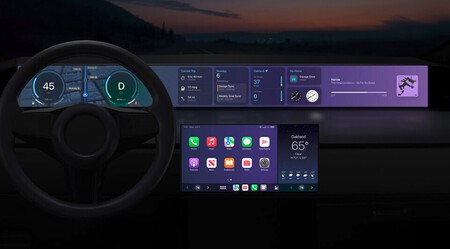
During WWDC 2022, Apple revealed an exciting evolution of CarPlay , dubbed CarPlay Ultra . This update marks a significant departure from the previous iterations of the software, which merely projected a simplified version of iOS onto a car’s display. Instead, CarPlay Ultra aims to provide an integrated solution that takes control of virtually every aspect of a vehicle’s electronics.
What is CarPlay Ultra?
Traditionally, Apple CarPlay operated similarly to Android Auto . Upon connecting an iPhone, users could access a stripped-down variant of iOS, allowing them to use apps like Apple Maps , Google Maps , phone functions, messaging, and streaming services like Spotify . However, these functions did not interact with the car’s internal systems.
CarPlay Ultra, as noted by tech analysts, radically shifts this paradigm. The system doesn’t just execute applications; it integrates itself into the car’s interface. It takes over everything from the instrument cluster to climate controls , as well as providing real-time data about the vehicle’s battery life and other vital functions. This is accomplished through a seamless, visually appealing interface designed entirely by Apple, effectively acting as a software layer that replaces the original manufacturer’s interface.
The Delays in Launch
The road to CarPlay Ultra has not been straightforward. After its initial announcement in 2022, Apple took three years to bring it to fruition, making its official debut on May 16, 2025. This delayed rollout raises questions about the complexities involved in developing a product that so fundamentally alters how drivers interact with their vehicles.
Exclusivity with Major Brands
True to Apple’s nature, exclusivity has played a crucial role in the launch of CarPlay Ultra. Initially, it was integrated exclusively with Aston Martin , a brand representing under 1% of the car market. While there were promises of future availability with manufacturers like Hyundai , Kia , and Genesis , automotive enthusiasts noted that significant names such as Land Rover , Mercedes-Benz , Nissan , Ford , and others were conspicuously absent from the list of confirmed partners.
Interestingly, only Porsche has confirmed that it will adopt Apple’s software in some of its models, yet no specific timeline has been provided, creating uncertainty about the broader adoption of this technology.
Resistance from Manufacturers
Many manufacturers mentioned during the original announcement have shown reluctance to adopt CarPlay Ultra, as sources from the Financial Times suggest. Companies like Mercedes , Audi , Volvo , Polestar , and Renault have openly opposed the system. This hesitance indicates a significant challenge for Apple, as it may perceive CarPlay Ultra as a means to undermine traditional auto manufacturers’ control over their own infotainment systems.
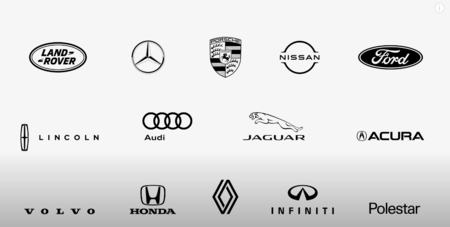
This was Apple’s goal with CarPlay. At the moment, it is only in Aston Martin, which did not even appear on the list.
What Sets CarPlay Ultra Apart
- Unlike Android Automotive , which operates as a collaborative platform between Google and vehicle manufacturers, CarPlay Ultra appears more intrusive. It demands manufacturers continue developing their software while ceding substantial control to Apple once the iPhone is connected.
- In essence, CarPlay Ultra acts as an external system rather than being a natively integrated solution, often perceived as a replacement for the manufacturer’s own software strategies.
As CarPlay Ultra enters the automotive arena, it raises questions about the future of in-car entertainment and control systems. The focus on integration may alienate potential automotive partners who fear ceding their control to Apple.
The Future of In-Car Technology
The delays in launching CarPlay Ultra, combined with its initial exclusivity to Aston Martin, suggest that widespread adoption may take time. Apple’s success will depend heavily on building favorable partnerships with manufacturers reluctant to surrender complete control to the tech giant.
While Apple navigates these complexities, Android Automotive continues to expand its foothold, even entering new markets such as motorcycles through partnerships with manufacturers like KTM and Honda . Meanwhile, companies like Stellantis have pivoted towards integrating Android into their fleets, leaving former partners like Amazon behind. As these developments unfold, the automotive tech landscape remains highly competitive and innovative.
In conclusion, as Apple introduces CarPlay Ultra, the industry watches closely to see if this ambitious system can navigate the challenges of integration, exclusivity, and manufacturer alliances to redefine the in-car experience.
Image | Apple
In Xataka | This car was a pioneer with Android Automotive, but its users shouted and Red Auto. His wish has been granted.