
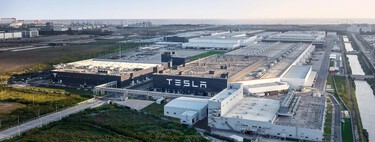
Tesla Initiates Robotaxi Trials in Austin: A New Frontier in Autonomous Vehicles
On June 22, Tesla made a significant step into the world of autonomous vehicles by publicly launching its robotaxi service. This marked the first occasion that the company allowed its fully autonomous vehicles onto the streets, albeit with a limited rollout consisting of just a handful of selected people and a restricted number of vehicles.
However, in less than three days from this launch, Tesla found itself under investigation.
The robotaxi service commenced in Austin, Texas, but the company’s promises of grand innovation remain a work in progress. The highly anticipated Cybercab—a futuristic vehicle purportedly lacking steering wheels and pedals—remains absent from the streets. According to CEO Elon Musk, we won’t see these fully autonomous vehicles until 2026.
Under Investigation. In under three days, the NHTSA (National Highway Traffic Safety Administration) opened an investigation to evaluate the safety of these vehicles, as reported by Bloomberg. The reason for this inquiry stems from some erratic behaviors displayed by the cars.
The information available is preliminary, but NHTSA officials have stated they will take action if they find that passenger safety or that of other traffic participants is at risk.
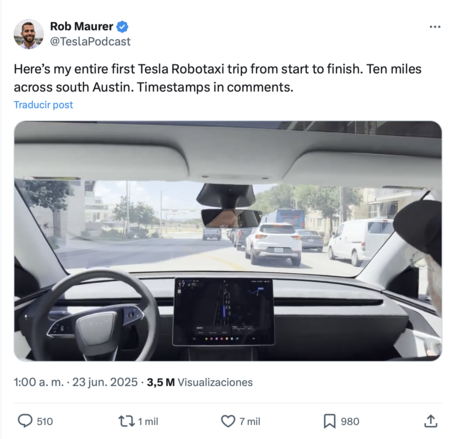
Moment when the Tesla robotaxi was driving in the opposite direction. Click on the image to view the original tweet.
Driving in the Wrong Direction. A video circulating on social media contributed to the NHTSA’s prompt response, showing a Tesla robotaxi hesitating to take a required left exit, then veering to the right into a lane where vehicles were approaching from the opposite direction. The incident involved crossing a double solid line to re-align the car correctly.
This entire incident was documented in a tweet by Rob Maurer, where he shared an uninterrupted 20-minute journey aboard one of Tesla’s robotaxis, specifically showcasing the strange behavior at the 7-minute and 15-second mark.
Mixed Reviews. Aside from this incident, the rest of the video depicted the car navigating through traffic with considerable dexterity, showing no signs of overly cautious behavior or excessive slow speeds that might disrupt other road users.
However, it’s important to note that the number of trials conducted thus far has been minimal and involved select individuals. Maurer himself is known for running a podcast focused on Tesla, while Sawyer Merritt, who identifies as a Tesla investor, also posted a video showing the car exceeding the designated speed limit after passing a sign that lowered the speed to 30 mph.
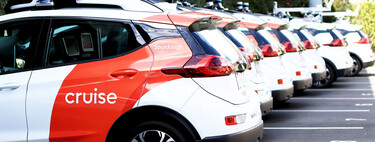
Zero Errors. While neither of these incidents led to harm, the NHTSA investigation highlights the stringent safety measures regulators expect from companies introducing autonomous vehicles to public roads. This is why the developments from Waymo and Cruise have taken several years, marked by limited testing in both time and area.
In a context where even a minor error with a vehicle can lead to severe consequences, it’s paramount that autonomous cars be significantly safer than human drivers. Tesla itself acknowledged during the unveiling of the Cybercab that “mobility is terrible” largely because it is “not safe.”
This stringent regulatory oversight also compels Tesla to refrain from delivering on its own promises, necessitating human oversight and traditional control mechanisms like steering wheels and pedals. Furthermore, the allowed operational hours are very limited, with service only available from 6 AM to midnight.
Timing is Everything. Following the announcement of this investigation, Tesla’s stock experienced a slight dip. However, the shares had initially risen since the robotaxi service launch.
Ultimately, it is inevitable that a Tesla robotaxi will encounter an accident—whether it’s due to its own actions or a sudden move from another road participant. This unpredictability is a challenge all firms in this sector face, especially since issues have led to serious scrutiny of companies like Cruise and Xiaomi after tragic incidents where passengers lost their lives while their vehicles presumably operated under assisted driving systems.

NHTSA Versus Tesla. This isn’t the first clash between this regulatory body and Tesla. The company has faced accusations of “false advertising” from the NHTSA and other manufacturers for overestimating its vehicles’ capabilities, particularly regarding the “Autopilot” feature.
Moreover, Tesla has previously been scrutinized for sudden braking incidents and accidents where it was believed the autonomous driving system disengaged to obscure its involvement in those collisions. The company has often operated on the fringes of legality, utilizing its own customers as beta testers on public roads ahead of official software updates.
This situation exemplifies the complex intersection of innovation, market readiness, and regulatory scrutiny that companies like Tesla must navigate while striving to transform mobility for the future.
This structured HTML content provides a comprehensive overview of Tesla’s recent endeavours in the robotaxi industry while maintaining clear SEO compatibility, readability, and organization.
General News – 2