
The Urgency of Diplomacy in the Iran Nuclear Crisis
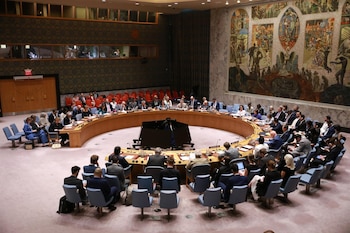
Nations around the world are closely following developments regarding Iran’s nuclear program, a topic that has significant implications for global security and geopolitics. The recent emergency meeting of the United Nations Security Council (UNSC) underscored the urgency of diplomatic measures to prevent escalation in the region. Following a ceasefire announcement by the U.S. President, Donald Trump, the Mayor of U.N. Policy, Rosemary DiCarlo, emphasized the necessity of pursuing a diplomatic resolution to the crisis.
The Importance of the JCPOA
The Joint Comprehensive Plan of Action (JCPOA), a landmark nuclear agreement signed in 2015 between Iran and the UNSC members, was designed to curb Iran’s ability to enrich uranium in exchange for the lifting of sanctions. DiCarlo has raised concerns about the dwindling timeline for saving this pivotal agreement, with Resolution 2231 set to expire in less than four months. The potential collapse of the JCPOA could lead to a cascading series of conflicts and heightened military tensions in a region already fraught with instability.
Current Tensions and Military Escalation
Since June 13, military escalation between Israel and Iran has disrupted any potential pathways to dialogue. U.S. airstrikes targeted Iranian nuclear facilities, and retaliation from Iranian forces raised alarms in an already volatile landscape. DiCarlo’s remarks about Iran’s recent attacks on a base in Qatar further illustrate the deteriorating security situation, one described as “extremely fragile” by the U.K. Ambassador Barbara Woodward. The concerns expressed by various nations highlight a consensus: the continued military actions undermine diplomatic efforts.
International Reactions and Diplomatic Appeals
Both the European Union (EU) and the U.K. are calling for a return to diplomacy. The EU’s ambassador, Stavros Lambrinidis, reiterated the necessity for Iran to avoid the development of nuclear arms while expressing regret over the current condition of the JCPOA. Meanwhile, U.S. representative Dorothea Shea defended the military operations, cautioning against members of the UNSC who appear to overlook Iran’s violations.
Iran’s Deputy Ambassador to the U.N., Amir Saeid Iravani, has sought to position Tehran as a willing participant in diplomatic negotiations, rejecting accusations of aggression. He asserted that Iran “never initiated this war,” which complicates the discourse surrounding responsibility and blame.
Israel’s Perspective
Israel’s stance reflects a deep skepticism toward diplomacy. Israeli Ambassador Danny Danon claimed that chances for successful negotiations have been exhausted, arguing that Iran’s actions pose a “double existential threat.” He justified military interventions as necessary measures to address Iran’s advancing nuclear and missile capabilities. This perspective adds another layer to an already intricate diplomatic landscape.
The Call for Verification and Monitoring
A significant point of contention is the role of the International Atomic Energy Agency (IAEA) in monitoring Iran’s nuclear activities. Many nations advocate for Continued oversight to ensure compliance with the terms of the JCPOA. While verification measures may provide (albeit limited) reassurance for advocates of diplomacy, the ongoing military provocations risk further alienation of Iran and complicate potential future agreements.
Future Outlook: The Path Forward
The current state of affairs offers little optimism for a breakthrough in negotiations. Heightened military actions further disincentivize diplomatic solutions, leaving nations to navigate a precarious situation. DiCarlo clearly articulated that diplomacy, dialogue, and verification remain the best options for ensuring the peaceful intent of Iran’s nuclear program.
The future remains uncertain as international actors engage in a delicate balancing act. With time running out for the JCPOA, the world watches closely as Iran, Israel, and other global powers grapple with a complex array of political, military, and ethical dilemmas.
The way forward demands a collective commitment to diplomacy and an acknowledgment that military escalation will likely lead to further chaos and instability. The outcome of these geopolitical tensions could redefine not just regional dynamics but also the global nuclear landscape for years to come. As the situation develops, one can only hope for a peaceful resolution that prioritizes dialogue over conflict.