
Understanding the Pico y Placa Vehicle Restriction in Cali
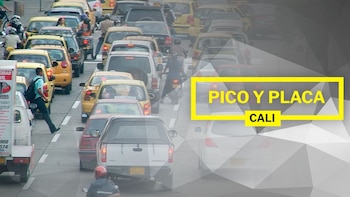
Cali is a bustling city in Colombia where traffic congestion is a significant issue, prompting the local government to implement the Pico y Placa vehicle restriction program. This initiative aims to reduce vehicular overcrowding, improve air quality, and minimize traffic accidents. As residents navigate through their daily lives, understanding the nuances of this regulation is crucial for smooth commuting.
What is Pico y Placa ?
Pico y Placa, which translates to "Peak and Plate," is a vehicle restriction initiative enforced on weekdays in Cali. The regulation prohibits certain vehicles from circulating based on the last digit of their license plate, the day of the week, and the time of day. This not only aims to curtail the number of vehicles on the roads but also to improve overall urban mobility.
Current Restrictions and Schedule
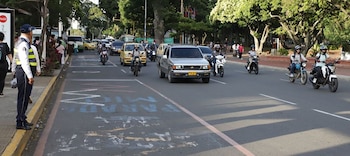
The Pico y Placa rules adapt based on the day of the week. For instance, on a typical Wednesday, vehicles ending their license plates with specified digits are not allowed to travel during the peak hours, which occur from 6:00 AM to 7:00 PM. During this period, the following restrictions apply:
- Private Vehicles: Last digits 9 and 0.
- Taxis: No restrictions.
- Public Transport: Last digits 0 and 1.
- Motorcycles: No restrictions.
This regulation is void during weekends and on public holidays, making it manageable for residents to plan their outings accordingly.
Upcoming Changes to the Pico y Placa
Cali’s local authorities revise the Pico y Placa schedule periodically. By January 2025, a new rotation schedule will be in effect for the first semester, further differentiating which vehicles are impacted each day.
- Monday: 5 and 6.
- Tuesday: 7 and 8.
- Wednesday: 9 and 0.
- Thursday: 1 and 2.
- Friday: 3 and 4.
This systematic approach ensures that all residents adapt in advance, fostering smoother traffic flow throughout the city.
Vehicles Exempt from Pico y Placa
Not every vehicle must adhere to the Pico y Placa restrictions. Certain categories of vehicles are exempt, including:
- Emergency vehicles.
- Government and diplomatic service vehicles.
- Transport vehicles for individuals with disabilities.
- Electric and hybrid vehicles.
- Cargo vehicles exceeding 5 tons.
- Motorcycles.
This exemption not only reflects a consideration for essential services but also encourages the usage of environmentally friendly vehicles.
Penalties for Non-Compliance
It is vital for resident drivers to be aware of the penalties associated with violating the Pico y Placa regulations. According to the Colombian Traffic Code, violators face a fine equivalent to 15 days of the minimum wage, which is about 711,750 pesos currently. This financial repercussion reinforces the importance of abiding by the rules.
Given the city’s commitment to enhancing urban mobility, it is essential for residents to remain informed about the Pico y Placa program. By trading off convenience for sustainability, Cali aims to reduce wear on its road infrastructure and improve the quality of life for its citizens. Understanding the terms and conditions of the Pico y Placa will enable residents to navigate their daily commutes more effectively, leading to a cleaner, safer environment.