

The Future of Wolves in Europe: A Concerning Shift
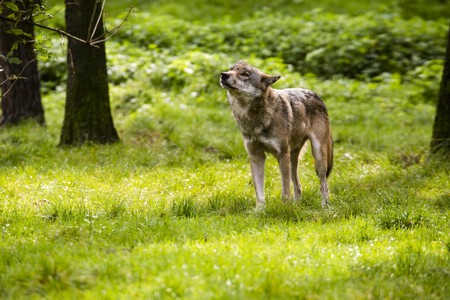
The wolf has just witnessed a significant change in its future on European soil. This isn’t due to environmental factors like pollution , climate change , new diseases affecting packs, or the loss of its ecosystem. Instead, the turning point lies within the pages of the Official Journal of the EU, which has recently published a directive that downgrades the protection status of the species from “strictly protected” to simply “protected.” While this might sound like a minor detail or mere community bureaucracy, it will allow hunters to target these animals across Spain .
The underlying cause of this change is a series of legal adjustments .
What happened? After years of controversy, political disputes, and a tug-of-war between environmentalists and hunters , wolves have seen a gradual loosening around their legal protections. The key changes can be attributed to recent national and community-level decisions.
In Spain, a pivotal step was taken in March during the processing of the law related to food waste in Congress. A broader measure has now been enacted, formally acknowledged in the Official Journal of the EU.
What exactly changed? The status of the *canis lupus* has officially been downgraded. Instead of being classified as a “strictly protected species,” it now merely appears on the list of “protected” species. While this may seem like a small adjustment, it implies that wolves will be categorized without nuances as animals that “may be subject to management measures.” In simple terms, this means hunting .
The European directive was approved on June 17, but it has only just been officially recognized in the Official Journal of the EU. While this might seem like bureaucratic red tape, the implications are significant: starting now, there will be a 20-day period for the change to come into effect, meaning by July 14 , wolves will no longer enjoy their “strictly protected” status.
Is this unprecedented? Yes and no. The adjustments made to the Habitats Directive earlier this month are significant, but they also come as no surprise. The legal protections surrounding wolves have been contentious across Europe for years, with debates dating back to at least 2022 when Ursula von der Leyen , President of the European Commission, lost her favorite pony to a wolf attack.
That same year, Brussels commissioned a “comprehensive analysis” regarding the increase of wolf populations across the continent, attributed to their legal protections against hunters. What was the conclusion? “The concentration of wolves in certain European regions has become a real threat to livestock and potentially to humans,” noted von der Leyen in 2023. In the same statement, the Commission urged local authorities to “take action when necessary.”
What has transpired since then? The community machinery has continued to operate on this issue. In late 2024, the Standing Committee of the Bern Convention voted in favor of the EU proposal to lower the protection status of wolves, transitioning them from “strictly protected” to just “protected.” In March, the Commission took further steps to evolve this into its Habitats Directive , which received approval this month.
What’s happening in Spain? Wolves have been central to the political discourse there as well. In recent years, they have sparked debates where environmentalists, hunters, and lawmakers differ on the level of protection the species should enjoy on the Iberian Peninsula. Ecologistas en Acción argues that allowing hunting “turns its back on science,” while the Royal Spanish Federation of Hunting believes it will promote “coexistence” with livestock farmers.
In light of this backdrop, three months ago, Congress adopted critical measures regarding the future of wolves in Spain. The most immediate changes affected packs located north of the Duero River . The lower house approved a change in the Royal Decree , which affects the management of wildlife, removing protections for wolves in that area and granting regional authorities the power to decide about hunting. In practical terms, this returns them to the situation they faced before 2021.
What’s in store south of the Duero? Changes are on the horizon. In March, Congress also opened the door for potential downgrades in protection for wolves south of the Duero, contingent on prior changes to their community protection status, which has just been formalized. This means that the species is now removed from the Special Protection Regime even south of the river.
Interestingly, Congress made this decision amidst discussions about a law addressing food waste. Proponents of the amendment to adjust the wolf’s status argued that wolf attacks on livestock result in thousands of kilos of meat loss .
In conclusion, the recent downgrading of the wolf’s protection status in Europe poses serious implications not only for the species itself but for the ecological balance within its habitat. Stakeholders from various sectors must engage in dialogue to craft a sustainable path forward that maintains both biodiversity and agricultural interests while ensuring these iconic predators can thrive in their natural environment.