
Tesla’s Robotaxi Debuts: A Milestone or a Mirage?
On June 22, Tesla made headlines by launching its very own robotaxi service on the streets of Austin, Texas. This marks a significant moment in the history of the electric vehicle giant, as it embarks on a journey that promises to radically transform the future of transportation. However, the debut has come with heavy restrictions and a cloud of unfulfilled promises , leaving many questions in the air. Here’s everything you need to know about Tesla’s new service.
Elon Musk referred to the launch as “the culmination of a decade of hard work” in a post on X . He expressed gratitude toward his team, particularly emphasizing how both the AI chip and software teams were built from the ground up within Tesla. The initial rides for the robotaxi service, fully autonomous and designed to operate without human intervention, have been carried out under tight constraints.
The robotaxis hit the streets of Austin with a service aimed to be fully operational next year. However, currently, it is restricted to specific areas of the city, with a Tesla employee in the passenger seat monitoring the vehicle’s operation, only allowing a select group to experience the service. This cautious approach mirrors the early days of Tesla’s competitors in the autonomous vehicle space.
The stringent restrictions have raised questions about who is actually getting to ride in these autonomous taxis. Reports indicate that Tesla is keeping a tight lid on who is allowed to use the service, primarily selecting enthusiasts and employees from Musk’s various companies. This carefully curated group raises skepticism that the initial feedback from riders could be overly positive.
Musk has a history of touting features and milestones that seem promising but often fall short. The robotaxi service is yet another example. Compliance with U.S. regulations means that Tesla has limited its robotaxi deployment to a closed group, akin to how Waymo initially rolled out its services, gradually expanding to the general public after securing regulatory approval. Tesla’s choice to pick loyal fans instead of a more diverse range of riders seems to be a calculated move to mitigate criticism.

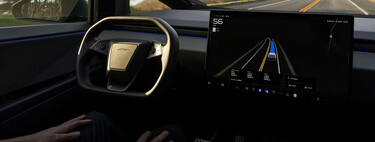
Despite all the excitement, there are several significant unfulfilled promises surrounding the launch. The first major concern is that the vehicles do not yet operate independently. Although billed as fully autonomous, a human supervisor must remain in the passenger seat during operation. This oversight goes back to Musk’s earlier statements, where he suggested that by 2023, autonomous cars would run entirely without human intervention. Clearly, this timeline has not been met.
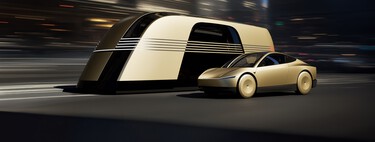
Furthermore, the design of these initial robotaxis is a point of contention. Musk has previously claimed that by this time, Tesla would have released a model devoid of traditional driving controls such as steering wheels and pedals. However, regulations in the U.S. still require a manual override option for emergency situations. While the promise of a sleeker, fully autonomous vehicle without a human interface continues to tantalize potential customers, it remains just that—a promise.
The pressure is mounting for Elon Musk and Tesla to meet the ambitious timelines they have set. Musk himself has alluded to being “slightly overly ambitious” in his scheduling, yet he maintains a lofty goal of having the robotaxis operating at full capacity by 2027 . This statement raises eyebrows, considering that within the next 18 months, Tesla aims to roll out a service that is not only profitable but also fully operational across Austin, equipped without any manual controls. Such a leap would place Tesla light-years ahead of any competitors currently in the race.
As Tesla faces the reality of regulatory hurdles and its own ambitious commitments, investors and enthusiasts alike are left to wonder whether the company can truly deliver on its promises. The robotaxi service’s debut may provide a glimpse into the future of autonomous vehicles, but for now, it underscores the fine line between innovation and the challenges that come with it.
As we look ahead, it remains essential to monitor how Tesla navigates the complex landscape of regulations, customer expectations, and technological feasibility. Only time will reveal if they can truly transform the future of urban transportation.