
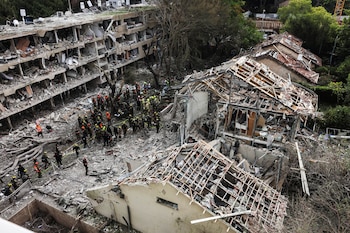
Current Situation in the Middle East: A Crisis Unfolding
The ongoing tensions in the Middle East have escalated over the last week, leading to a critical situation for citizens residing in the area. The Mexican Ministry of Foreign Affairs (SRE) has taken proactive measures by putting its embassies in Iran, Israel, Jordan, Egypt, and Azerbaijan on high alert. They are focused on providing guidance, assistance, and consular protection for Mexicans in these regions.
According to the SRE, the primary aim is to facilitate the safe evacuation of Mexicans trapped amid this conflict. So far, 175 individuals have successfully evacuated and are reported to be safe. This includes evacuees primarily from Israel and Iran, two nations embroiled in significant military conflict.
The airspace in Israel remains partially operational, though airline operations are irregular, and flight cancellations are frequent. In a challenging context, the embassy in Israel has been working diligently to identify alternative routes to transport 116 Mexican citizens out of the country.
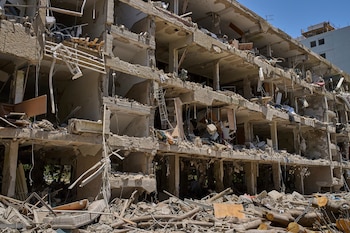
These evacuations have included routes by land and sea to Egypt, Jordan, and Cyprus, utilizing safer connections to accomplish the secure return of affected individuals. In Iran, 30 Mexican citizens have managed to leave the country and are now safe in Azerbaijan, under the protection of the Mexican embassy in the region.
This operation involved assistance from diplomatic personnel in Tehran and was successful in ensuring the safety of everyone involved. The collaboration between Mexico and Azerbaijan has been deemed crucial in facilitating these transfers, according to the Foreign Ministry.
Furthermore, additional efforts in Jordan aim to manage the exit of 29 Mexicans from the region. The embassy’s role here has been paramount, establishing logistical paths for safe transit despite the current limitations within the region.
The situation escalated further with the recent debate surrounding potential military intervention by the United States in the Middle East. This debate gained momentum over the weekend following an attack authorized by President Donald Trump against three nuclear facilities in Iran, triggering criticism from both sides of the U.S. political spectrum.
Legislators from both the Republican and Democratic parties have expressed concerns regarding the legality of the military action, emphasizing that matters of such magnitude should be deliberated in Congress. According to U.S. law, the authority to declare war lies solely with Congress, leading many legislators to equate the military actions directed towards Iranian facilities to an act of war that could pull the United States into a much larger conflict.
The sharp increase in violence is compounded by heightened tensions resulting from an Israeli attack on Iran last week, which has significantly escalated hostilities between the two nations. As the crisis unfolds, it is clear that diplomatic efforts and safe evacuations are more crucial than ever in navigating the tumultuous landscape of the Middle East.
In light of this precarious geopolitical climate, the continued focus of the Mexican government on ensuring the safety of its citizens, while managing to coordinate amidst the chaos, demonstrates a serious commitment to protecting those affected by this ongoing crisis.
As these developments continue to impact the region and its citizens irrevocably, the role of diplomacy and effective communication remains vital. Navigating such complexities demands not only awareness and immediate action but also a long-term strategy to foster peace in this turbulent area of the world.