
Spain’s Growing Pistachio Industry
Spain may not yet rival the pistachio powerhouses of the United States, Iran, and Turkey, but its rapid growth in pistachio cultivation makes it an increasingly significant player in the global market. The adaptation of pistachio farming to certain regions of the Iberian Peninsula is crucial for the local agricultural economy. Farmers are enthusiastically planting pistachio trees, driven by the hope of tapping into an ever-expanding global market.
One major factor contributing to this growth is that many farmers are opting for pistachios as a substitute for less profitable crops, such as cereals. This shift is not just anecdotal; it reflects a broader trend within the agricultural community.
Rise of “Made in Spain” Pistachios
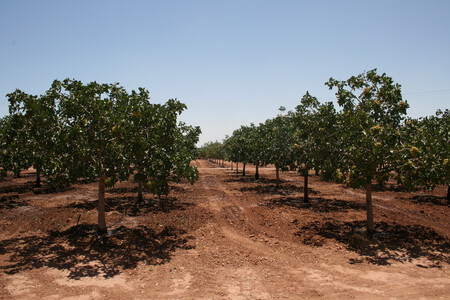
If a picture speaks a thousand words, then a stroll through the Toledo province in Castilla-La Mancha can visually represent the burgeoning pistachio industry in Spain. What was once dedicated land for cereal crops or livestock is now being transformed into pistachio plantations. Castilla-La Mancha contains over 80% of Spain’s pistachio production, and recent statistics indicate that the region has made it into the top five pistachio-producing areas globally.
As of 2023, around 65,000 hectares are dedicated to pistachio cultivation, yielding approximately 5,600 tons of dry fruit with shells. This rapid expansion underscores not just the economic potential but also the changing landscape of Spanish agriculture.
The Numbers Behind the Boom
To fully understand the velocity of pistachio cultivation in Spain, consider the report by the agricultural group Agroptimum. In 2016, just 15,000 hectares were devoted to this crop. By 2022, the area had expanded to nearly 70,000, and it continues to grow, reaching almost 78,500 hectares in 2023. The previous cultivation season saw over 79,200 hectares dedicated to this once-overlooked nut, making up 10.3% of the land used for growing dried fruits in Spain.
The financial returns on pistachios are significantly more attractive compared to other traditional crops. Juan Gallego Arroyo, founder of Grupo IberoPistacho, highlighted the lucrative nature of this nut, stating that the profitability per hectare ranges from 10% to 20%. In fact, when irrigated, yields can generate almost 12,000 euros per hectare, while dry farming yields approximately 5,000 to 6,000 euros.

A Lucrative Market Opportunity
Despite Spain’s increasing production, it still falls short of the output levels achieved by major players like the U.S., Iran, and Turkey, who control a substantial share of a lucrative and growing market. Predictive analytics from Data Bridge estimate that the pistachio market was worth approximately 4.35 billion dollars in 2024 and is expected to grow to over 5.8 billion dollars in coming years.
Given the favorable climate and improving agricultural practices, regions like Andalusia, Extremadura, Aragón, and others are keen to capitalize on this enhancing market. As domestic demand rises, Spanish farmers are well-placed to meet the needs of both local and international markets.
Mario González from PistachoPro notes the tremendous change in pistachio cultivation over recent years, with many farmers transitioning from less profitable endeavors.
The numbers certainly tell a compelling story. With the average selling price hovering around 6 euros per kilogram and a production rate of about 1,000 kg per hectare, pistachios have emerged as an economically viable crop for Spanish farmers.
The future for pistachio cultivation in Spain looks bright. As both consumer demand and global interest grow, the country is gearing up to increase its share of the pistachio pie, revitalizing its agricultural landscape while contributing to a lucrative market.
In conclusion, the pistachio phenomenon in Spain is poised for continued growth, driven by adaptability, profitability, and escalating demand. As the agricultural landscape evolves, so too will the opportunities for farmers who recognize the value of this versatile tree nut. With investment, innovation, and a focus on sustainability, Spain may very well solidify its place in the global pistachio market.