

The Health Benefits of Chile: A Spicy Superfood
The chile, known for its characteristic spicy flavor in nearly all its varieties, is not just an essential ingredient in Mexican cuisine; it also boasts numerous healing properties and health benefits.
The most notable active compound in chile, known as capsaicin, functions as a natural analgesic by blocking pain receptors. This compound is utilized in products like creams and patches to treat muscle pain, arthritis, and neuropathies.
Moreover, capsaicin serves as an antioxidant, combating free radicals responsible for aging. Recent research indicates it may even play a role in destroying cancer cells, although further studies are required to confirm this relationship.
Additionally, capsaicin stimulates blood circulation, contributing to cardiovascular health. It helps reduce LDL cholesterol, lowers triglycerides, and facilitates the dilation of blood vessels, which can be beneficial in managing blood pressure.
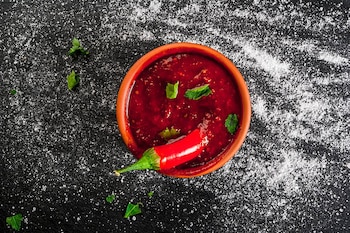
Chile also boasts remarkable anti-inflammatory properties. Capsaicin, along with other antioxidants present in this food, helps reduce chronic inflammation, making it a valuable ally in treating diseases such as arthritis and inflammatory bowel issues.
Furthermore, it has been identified for its antimicrobial effects, allowing it to combat bacteria and fungi, as well as its decongestant properties. This makes it beneficial for conditions such as colds, flu, or sinusitis, as it stimulates mucus secretion and clears nasal passages.
Another significant benefit of chile is its ability to boost metabolism. Capsaicin can temporarily increase metabolic rate, aiding weight control and, in some instances, reducing appetite.
In moderation, chile can also improve digestion by stimulating the production of gastric juices and saliva, which help prevent intestinal fermentation and gas buildup.
However, consumption of chile should be moderate, especially for individuals with conditions such as gastritis, ulcers, reflux, irritable bowel syndrome, or hemorrhoids. Even though it does not cause ulcers, excessive intake can worsen existing d digestive issues.

The nutritional value of chile is another highlight. This food is rich in vitamins A and C, essential for maintaining eye health, gums, and teeth.
Historical records, like those from Friar Bernardino de Sahagún, suggest that the Mexicas already used chile in remedies for oral issues. In his writings, Sahagún describes treatments that included chile combined with salt, herbs, and other ingredients to alleviate dental pain and maintain oral hygiene.
The vitamin C content in chile is notably high, even surpassing that of citrus fruits. Varieties such as jalapeño peppers are rich in potassium, iron, magnesium, and other essential vitamins, reinforcing their value as a nutritious food source.
In summary, chile is not merely a crucial component in gastronomy, but also a resource with numerous health benefits, underscoring its significance not only in enhancing flavors but also in promoting overall well-being.