
Argentina’s Trade Balance: A Complex Landscape
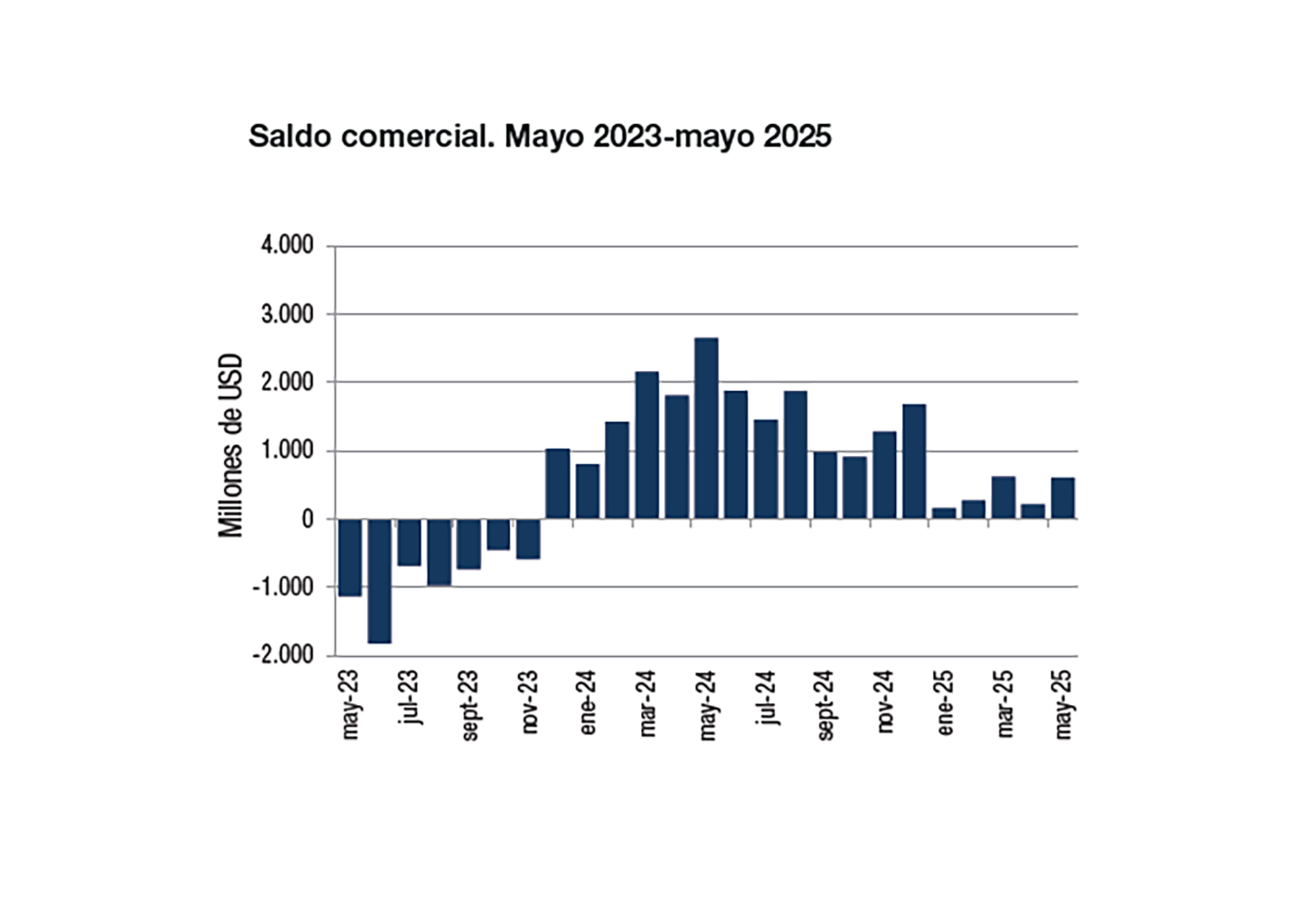
In recent months, Argentina has witnessed significant fluctuations in its trade balance . The latest figures for May show a surplus of USD 608 million , marking ten consecutive months of positive results. However, a closer examination reveals a dichotomy in export and import trends, highlighting ongoing economic challenges.
Export and Import Dynamics
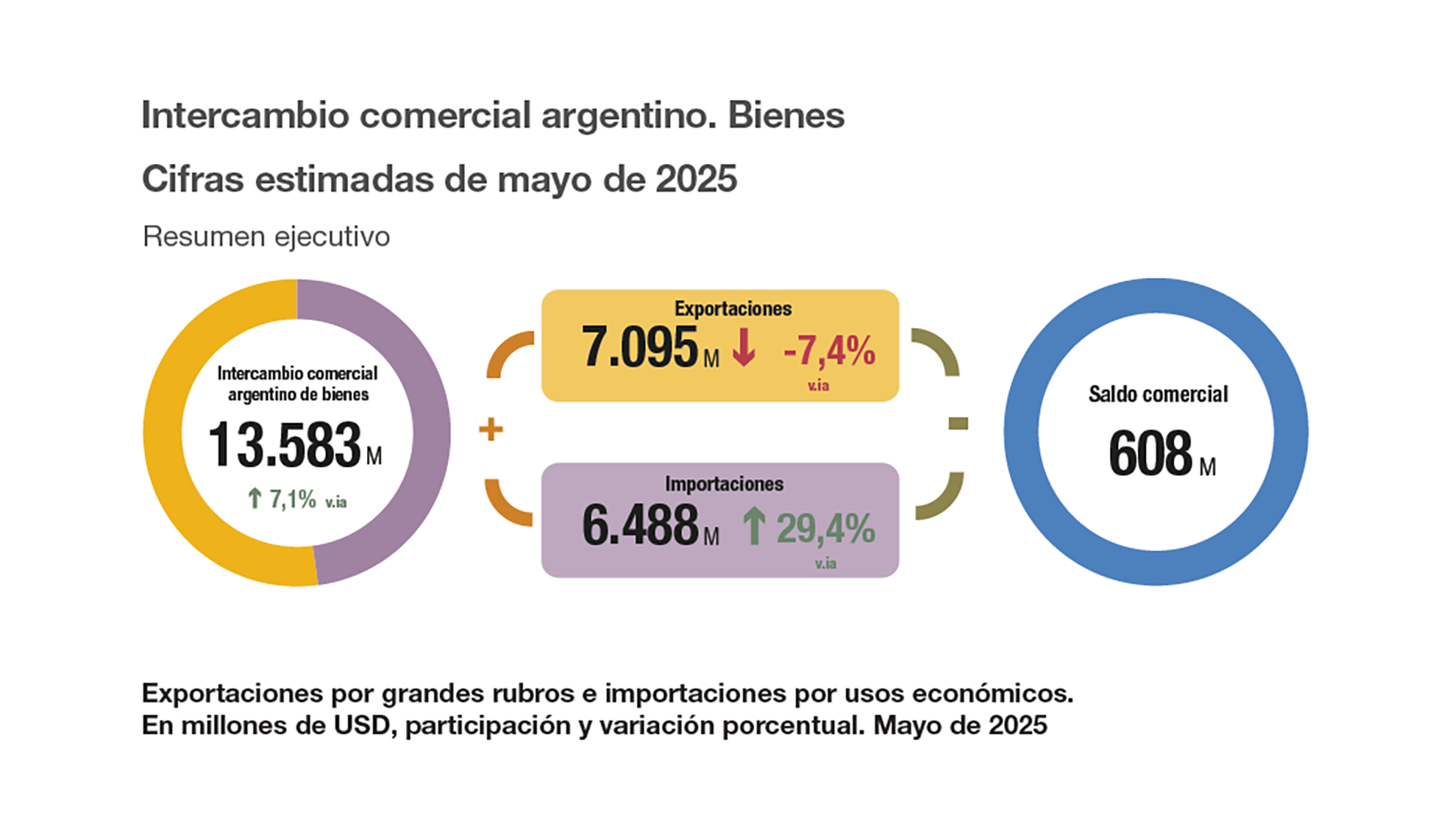
In May, export revenues amounted to USD 7.095 billion , while imports surged to USD 6.488 billion . This brings the total trade exchange (exports plus imports) to USD 13.583 billion , reflecting a 7.1% increase compared to the same month last year. However, the narrative of growth is somewhat misleading as exports experienced a year-on-year decline of 7.4% , juxtaposed against a staggering 29.4% rise in imports. This trend poses questions about the sustainability of Argentina’s current economic model, raising concerns that the growth in imports is outpacing that of exports at an alarming rate.
Year-to-Date Analysis
Looking at the accumulated data for the first five months of 2023, Argentine goods exports totaled USD 32.467 billion , representing a 2.6% increase from the previous year. Conversely, imports rose even more sharply, summing up to USD 30.584 billion , reflecting a 34.3% growth . This disparity resulted in a cumulative trade surplus of USD 1.883 billion from January to May. While this surplus is encouraging, the sharp increase in imports raises concerns about the long-term sustainability of Argentina’s trade policies and economic strategies.
Implications for the Argentine Economy
The current trade dynamics indicate that while Argentina is still achieving a positive trade balance , the underlying factors driving this result need attention. The substantial increase in imports may suggest that the local economy is becoming increasingly dependent on foreign goods, raising alarms about domestic production capabilities. Furthermore, if exports continue to decline, the nation may face vulnerabilities that could affect the overall stability of its economy.
Moreover, the figures point towards a trend that may not be sustainable. The question remains: how can Argentina balance its trade without exacerbating its dependence on imports? The government may need to consider strategic measures to bolster local industries and encourage exports to ensure that economic growth is not merely built on rising import figures.
Looking Ahead
As Argentina navigates its current economic landscape, the focus must shift toward creating a more balanced trade framework. Policymakers are urged to explore avenues for enhancing the competitiveness of Argentine goods in international markets. This might involve investments in technology, workforce training, and infrastructure improvements to bolster local production. Furthermore, fostering export relationships with diverse countries can provide a buffer against global market volatility.
Additionally, strengthening trade agreements can enhance market access, creating more opportunities for Argentine products abroad. With the right policies in place, Argentina could regain its footing in the international trade arena, ensuring that future surpluses are generated not just from favorable import-export ratios but also from robust and sustainable economic practices.
In summary, while Argentina’s current trade surplus is a point of encouragement, the deeper analysis reveals a complex interplay between imports and exports. Moving forward, the country faces critical decisions that could shape the trajectory of its economy for years to come. Addressing these challenges requires concerted efforts from every sector, ensuring a holistic approach to economic stability and growth.