
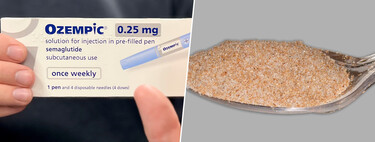
A Patent Mishap: The Ozempic Surprise in Canada
In an unexpected turn of events, the patent protecting Ozempic in Canada has encountered a critical issue. Whether this is due to a blunder or a calculated decision remains to be seen, but one thing is clear: Novo Nordisk , the pharmaceutical company behind semaglutide , has not been paying the maintenance fees for this patent for several years now.
A Multi-Million Dollar Error
The revelation came to light just a few days ago. Esteemed chemist and pharmaceutical industry analyst Derek Lowe noted in an article published on Science that the Danish pharmaceutical giant has failed to pay the annual maintenance fee, which currently stands at approximately 370 Canadian dollars, since 2018 for the patent protecting compounds like Ozempic and Wegovy .
According to the Canadian Patent Database, the status of the patent is “expired and beyond the restoration period.” Canadian law grants companies a grace period of 12 months to file claims and pay penalties for late payments, which currently would involve an additional fee of 150 Canadian dollars . This grace period has long since expired.
Opportunities for Competitors
The story began to unfold earlier this month when Richard Saynor , CEO of Sandoz , discussed launching a generic version of semaglutide in Canada. In an interview with a pharmaceutical industry publication, Saynor confirmed that this product is designed to imitate the function of the glucagon-like peptide-1 (GLP-1) hormone, which is the key to semaglutide ‘s diabetes-fighting and weight-loss effects.
As noted by Lowe in his article, competition in the generic drug market can be “extremely fierce.” Companies in this sector actively look for ways to undermine existing patents to gain entry into new markets.
Currently, few markets are as attractive as that for GLP-1 receptor agonists like Ozempic , Wegovy , or Rybelsus . Initially aimed at treating diabetes, this class of medications has gained immense popularity due to their weight-loss properties, igniting not just a pharmaceutical revolution but also an economic one.
A Porous Border
An important detail mentioned by Saynor during his interview is that Canada represents the second-largest market for semaglutide , following the United States. This is not necessarily because Canadians are heavy consumers of the drug, but likely due to the cross-border trade dynamics.
As Saynor elaborates, “Clearly, there is a dynamic, similar to that of insulin, about cross-border business.” He concluded, “It will be interesting to see how this evolves.”
Impact on Competitors
The expiration of the patent in Canada would not only impact Novo Nordisk but could also pose a significant challenge for its major competitor in the diabetes treatment and weight-loss sector, Eli Lilly . The entry of a generic competitor into the market would likely affect Eli Lilly’s products, Zepbound and Mounjaro , which are based on tirzepatide , a compound that acts as an analog of GLP-1 and another hormone known as gastric inhibitory polypeptide (GIP) .
A Question of Intent
We initially noted that patents are a fundamental cornerstone of the pharmaceutical industry, raising the question: what happened? It is challenging to discern whether this is a mere oversight or a calculated strategy. As Saynor pointed out in his interview, “I never knew why. I’m sure someone lost their job over this, but it doesn’t matter.”
If this was indeed an oversight, it would not be trivial. According to Lowe, the company expressed written concerns back in 2017 regarding the payment of the maintenance fee for the Canadian patent of semaglutide . The Ozempic boom didn’t occur until years later, leading the company to possibly question the worth of maintaining a patent in North America.
The ramifications of this issue are yet to unfold. As generic drugs infiltrate the market, consumers may benefit from increased options and fair pricing, but the impact on the brand-name manufacturers could be severe. The world of pharmaceuticals continues to evolve, and this situation highlights the complexities involved in patent maintenance and market competition.