
The Decline of Fish Consumption in Spain: An Alarming Trend
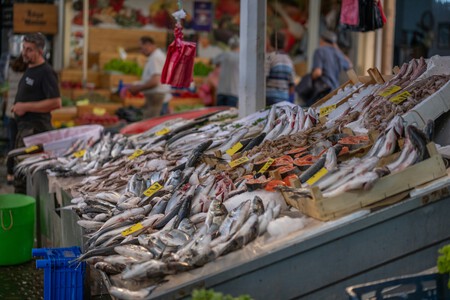
Spain boasts nearly 8,000 kilometers of coastline, rich in maritime biodiversity, contributing to the country’s robust seafood culture. With a fishing sector that generates tens of thousands of jobs and billions of euros annually, it is surprising that fish consumption is on the decline. Despite the abundance of fresh fish markets across coastal towns, fewer Spaniards are including seafood in their diets.
The situation has worsened: the most recent government report on fish consumption indicates a 4.3% decrease in 2023 alone. Specifically, March’s figures revealed a 2.9% drop in overall fish purchases compared to the previous year, and even more strikingly, fresh fish consumption fell by 4.9%. The numbers indicate that more consumers are opting for frozen fish, which saw a 4% increase in sales.
Popular Choices: Cod and Sea Bream in Decline
Taking a closer look at specific seafood, the report shines a light on particular species that have been especially hard hit. Sales of sea bream have plummeted by a staggering 23.5% , while cod and mackerel have seen declines of around 21% . This trend is not just limited to fish; shellfish, mollusks, and crustaceans have also experienced decreases in both fresh and frozen forms, although there has been a slight uptick in the sales of cooked varieties.
The Bigger Picture: Sustained Decline in Fish Consumption
Looking at a broader timeline, the data reveals a consistent downward trend in fish consumption over the years. From 2003, where per capita consumption reached 27.8 kilograms annually , to 2023 where it dropped to just 18.9 kilograms , the statistics paint a concerning picture. The average Spaniard consumed close to 30 kilograms of fish annually in 2009, yet the figures have sharply declined since, hinting at a deeper issue within Spanish dietary habits.

The Root Causes: Why the Decline?
One of the crucial factors contributing to this decline is price . Statistics show that, on average, fresh fish tends to be pricier than meat of equivalent quality. Between April 2024 to March 2025, fish-related products saw a price increase of 3.5% , with fresh fish rising by 4.9% over the same period. This price gap discourages consumers from buying fish.
However, price isn’t the only culprit. Changing consumption patterns also play a significant role. Many younger adults are less familiar with cooking fish and prefer ease, which often translates into buying meat or pre-prepared meals instead. A report by the Ministry of Agriculture, Fisheries, and Food, along with Aecoc, identified four distinct attitudes among young people toward fish: outright rejection, a preference for meat, pragmatism favoring convenience, and general distrust regarding the source or quality of fish.
A Call to Action: Encouraging Fish Consumption
Amid these troubling trends, the fishing industry is urging the government to promote seafood consumption. In 2023, representatives stressed the importance of healthy eating and called for reduced VAT on fish products to make them more accessible. Health experts agree, recommending that individuals consume three to four servings of fish weekly for a balanced diet.
The decline in fish consumption in Spain raises red flags regarding dietary choices and public health. Policymakers face an uphill battle in making fish a staple in the Spanish diet once again. As the evidence mounts, it becomes clear that revitalizing fish consumption is not just an economic concern; it is a matter of national health and culinary tradition.