
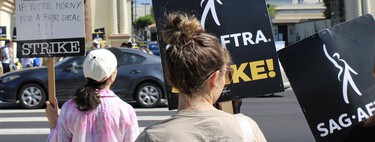
Are Generative AIs a Tool or an Enemy? The relationship between generative AIs and Hollywood is becoming increasingly complex and contentious. This dynamic was a critical point of contention during the recent Hollywood strikes involving actors and writers. Rather than acting as partners, film studios and artificial intelligences seem to be at odds. In a groundbreaking legal move, two major film studios, Disney and NBCUniversal, have pursued legal action against an AI company for the first time.
What the Lawsuit Demands. This lawsuit is notable not only for its significance but also because it marks a pivotal moment in the industry. The lawsuit against Midjourney alleges violations of copyright by Disney and NBCUniversal, both directly and indirectly. Midjourney is accused of unauthorized acts typically reserved for copyright holders and of providing the means for others to infringe upon copyrights. These infringements are said to have occurred during the training of their AI model through the use of images of characters protected by copyright.
The Strike Precedent. Interestingly, these major studios that are now confronting AI companies once played a part in fracturing the industry. In May 2023, the Writers Guild faced off against the Alliance of Motion Picture and Television Producers, with actors joining the fray in July. This standoff paralyzed Hollywood for six months. The agreement reached notably restricted the use of generative AI, specifically prohibiting production companies from creating scripts without a writer’s input or replicating an actor’s image without permission, while still allowing technical personnel to use AI as a tool.
What Is Allowed and What Is Not. Production companies have made it clear what they expect from AI companies: “Piracy is piracy, and the fact that it is perpetrated by an AI company does not lessen its illegality,” according to Disney’s legal department. This perspective comes into conflict with a widely accepted assumption about technology—that it is legal to train machines using protected material under fair use principles, which in the U.S. could defend certain types of parody. The legal landscape surrounding this case is highly uncertain, making the outcome essential for the future of the entertainment industry: should images inspired by Studio Ghibli works created by ChatGPT be accountable to Hayao Miyazaki?
Not the First. While this lawsuit is indeed significant given the stature of the plaintiffs, there have been earlier legal actions (one notable case involved The New York Times suing Microsoft and OpenAI). An updated map details 42 current lawsuits against AI companies. Midjourney particularly attracts attention due to its lack of restrictions on prompts. For instance, attempting to generate an image of Darth Vader through ChatGPT results in a warning for policy violation. Conversely, Midjourney has faced numerous lawsuits from artists claiming it draws inspiration from their work.
No Turning Back. With so much at stake, if this lawsuit succeeds, it could lead to the demise of many AI-related businesses, forcing them to retrain their models from scratch. This change could also allow Hollywood to generate new revenue streams through licensing its properties or creating companies that utilize “legal” AI, such as Asteria Film, co-founded by Natasha Lyonne and Bryn Mooser, which plans to release its first film using only official material. We might be on the cusp of a “wild” era for AI, which could soon face restrictions.
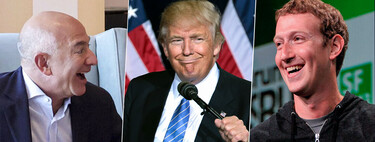
The Trump and AI Connection. However, this initiative could encounter obstacles, as large tech corporations have taken steps to ensure legal protection. Not only did major tech CEOs support Trump’s presidential inauguration, but OpenAI also submitted a report to the White House in January arguing that the use of licensed materials to train AI systems should be unrestricted. Various copyright laws have been relaxed as an immediate effect of this, paving the way for an influx of AI-generated images inspired by Ghibli.
This is not a clash between weak rivals; both sides have substantial stakes and will invest millions to ensure the lawsuit resolves in their favor.
The Future of This Conflict. This conflict is just beginning. Depending on how lengthy and effective the lawsuit will be, Disney and Universal might go after other companies. They have started with Midjourney, likely because it is perceived as the weakest link. However, should Midjourney or any following defendant win the case and gain the freedom to generate copyrighted images, it could signify a total revolution: studios might abandon their role as guardians of franchises and characters, allowing anyone to create their own licensed material.
The Studios’ New Role. Studios would simply become licensors of properties in this scenario—a dramatic but not wholly unrealistic shift. After all, they are already exploiting properties in theme parks and producing endless sequels and remakes of the same images, characters, and stories. Perhaps we are already taking the first steps toward the disintegration of Hollywood as we know it.
Header | Disney
For more insights, check out Xataka, where Sony appears determined to embrace AI to cut costs in its films, despite concerns from its producers.