
Detailed Investigation into Youth Violence and Drug Trafficking in Bogotá
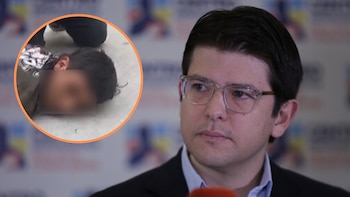
Recent events in Bogotá have unveiled a troubling situation surrounding youth violence and drug trafficking. A 14-year-old minor was involved in a shooting attack against presidential hopeful Miguel Uribe Turbay, drawing attention to the environment in which this young individual was raised. The minor resided in a residential area known for its illicit activities, specifically drug trafficking.
The Background of the Attack
The shooting took place in the locality of Fontibón, a neighborhood that has been described as a hotbed for drug trade. The young shooter frequently visited a local park, initially designed for children’s play, which has now turned into a center for drug sales. Reports from reliable sources, including the publication El Colombiano, suggest that this park has become associated with micro-trafficking, where local adolescents engage in illegal business.
Among the debris found in the area were remnants of bazooka and marijuana, which testify to the rampant drug culture. In addition, more alarming was the presence of broken glass and lighters scattered around the park, indicating its use as a site for drug consumption. Neighbors raised concerns about the park’s transformation and reported that young people associated with these unlawful activities regularly congregate there.
Key Figures in Drug Trafficking
A lead figure in this troubling scenario is an individual identified as “Copper.” He is believed to operate the drug trade from an informal residence close to a local wetland, thus reinforcing the criminal framework enveloping the area. Upon his apprehension, the young attacker revealed information that could potentially link this “Copper” to various illicit activities.
Witnesses who were present at the attack claimed that the minor exclamation during his detention suggests a deeper involvement in organized crime. He reportedly stated, “I can tell you who did it. It was the guy from the drug spot. I will provide the numbers.” Such claims further complicate an already convoluted investigation.
The Atmosphere During the Attack
Councilman Andrés Barrios, who was present during the attack, provided insight into the tension that filled the atmosphere. According to him, there was a peculiar disconnect among some attendees while Uribe discussed his commitment to combat micro-trafficking. Barrios noted that while many applauded the notion, there was a discernible lack of enthusiasm from certain sectors, raising questions about the undertones embedded in the community.
“For a moment, when we spoke about the war on drugs, the crowd responded positively. However, a fraction of the audience showed no reaction,” Barrios told El Colombiano. This suggests the potential risk faced by Uribe, positioning him as a target for criminal organizations threatened by his proposed interventions.
Profile of the Young Shooter
The shooter was reported to live with his grandmother after the death of his mother and separation from his father, who resides abroad. Sources familiar with the case indicated that despite his tumultuous background, the minor had access to basic services and education. This suggests that poverty alone may not be the sole driver behind youth involvement in organized crime.
As per the reports, the attack against Miguel Uribe occurred in Modelia, where the young shooter arrived on a motorcycle operated by an accomplice. The accomplice, who later surrendered to the prosecution, claimed to be an online platform driver. Security footage published by Noticias Caracol further depicts the young shooter interacting with two adults—a male and a female—just before the attack.
The female associate reportedly made several hand signals to the minor moments before the shooting occurred, suggesting a level of premeditation and coordination that highlights the disturbing nature of youth involvement in organized crime.
Implications for Society and Policy
This incident calls for an in-depth examination of the factors driving youth towards violence and drugs. The intertwining of socio-economic issues, weak community structures, and the pervasive influence of criminal organizations present a complex landscape that requires urgent policy interventions. Programs addressing issues of poverty, education, and crime prevention must become a priority if progress is to be made in communities like Fontibón.
The unfortunate reality is that youth like the 14-year-old shooter are caught in a cycle of violence and crime that threatens to consume them. As society grapples with these challenges, urgent actions and thoughtful strategies are essential to break these cycles and provide better futures for our youth.