
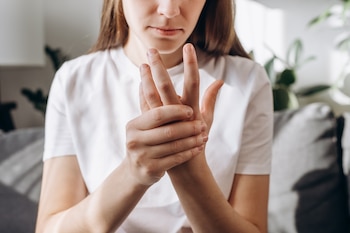
Understanding the Alien Hand Syndrome
The Alien Hand Syndrome (AHS), also known as the syndrome of the foreign hand, is a rare neurological disorder characterized by the presence of involuntary , uncontrollable movements in one of the patient’s upper limbs. Individuals often describe this condition as if their hand is being manipulated by someone else.
These movements typically occur spontaneously and often conflict with voluntary actions of the other arm . For instance, one hand might attempt to button a shirt while the other hand unbuttons it, creating a genuine rivalry between the two limbs. This bizarre situation can lead to both confusion and frustration for those affected.
The affected limb behaves as if it is disinhibited , reacting disproportionately to environmental stimuli. According to professionals at the Institute of Neurological Rehabilitation (IRENEA), this phenomenon results in what is termed utilization behavior , where patients inappropriately interact with nearby objects. For example, they might open doors or peel fruits without any conscious intent, as if the hand possesses a will of its own.
Despite the apparent directed and intentional movements , these actions actually lack a real purpose . Patients may experience a sense of strangeness towards the affected limb, often feeling as though it does not belong to them, particularly when they see it moving without visual guidance. In some cases, they might even deny ownership of that hand altogether.
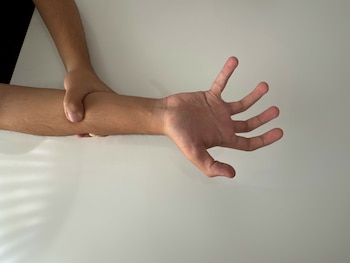
While the movements can sometimes be temporarily controlled by the patient’s will, this control tends to be intermittent. The frequency and intensity of symptoms usually increase during periods of fatigue or anxiety.
Causes and Mechanisms Behind AHS
Alien Hand Syndrome often manifests as a secondary condition resulting from other neurological diseases. It is more commonly seen following ischemic or hemorrhagic strokes . The syndrome is considered a disconnection syndrome , triggered by lesions in regions such as the supplementary motor area, the corpus callosum, the anterior cingulate cortex, or the thalamus.
Despite the clinical variations, IRENEA identifies three main forms of this syndrome:
- Frontal form: This is the most common type and often affects the dominant hand. It is characterized by primal reflexes such as ‘+grasping+’ (compulsive gripping of objects), ‘+groping+’ (repetitive manipulation), exaggerated utilization behaviors, and the need to restrain the affected hand with the other. This variant is associated with lesions in frontal brain areas.
- Callosal form: This form manifests with intermanual conflict, where one hand acts against the other. This subtype is linked to damage in the corpus callosum, which connects both cerebral hemispheres.
- Posterior form: The least common variant, associated with cortical and subcortical lesions in the posterior regions. It may present with sensory symptoms like left-sided numbness, left homonymous hemianopsia (loss of vision on the same side in both eyes), and left-sided neglect (lack of attention to the left side of the body and its surroundings).
Treatment and Rehabilitation
Although AHS does not have a cure , patients can participate in rehabilitation programs aimed at reducing the disruption caused by involuntary movements in daily activities. These therapies aim to restore motor control as much as possible and improve the overall quality of life for the patient.
In summary, Alien Hand Syndrome is a profound and perplexing condition affecting the perception of ownership and control over one’s own body. It raises fascinating questions about the nature of human movement and the intricate relationship between our brain and our limbs. Ongoing research is essential to unravel the complexities of this disorder and enhance therapeutic approaches, promising hope for those affected by this extraordinary syndrome.