
The Resurgence of Pedro Sánchez: From Dismissal to Leadership
In October 2016, Spain witnessed a dramatic turn of events in the political landscape when Pedro Sánchez, the then-secretary general of the Spanish Socialist Workers’ Party (PSOE), was ousted from his position. As a reaction to his removal, Sánchez famously announced, “From Monday onwards, I will take my car to visit every corner of Spain and listen to those who haven’t been heard—the activists and left-wing voters of our country.” This statement marked the beginning of a significant journey towards reclaiming his political influence.
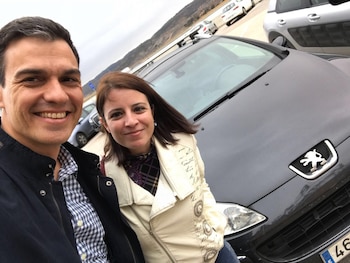
Sánchez embarked on his journey in his trusty 2005 Peugeot 407, which soon became a symbol of his fall and resurgence. Despite the limited literal execution of his statement—he didn’t make that trip immediately nor did he use his car extensively—the Peugeot represented his determination to reconnect with the grassroots supporters who once rallied behind him. The symbolism attached to this vehicle has since evolved, reflecting his struggle and subsequent rise to power.
Recently, however, Sánchez and his party have been ensnared in a web of political turmoil. The shadow of former Transportation Minister José Luis Ábalos and Koldo García, a key advisor, looms large over Sánchez due to allegations surrounding electoral fraud. Adding to the complexity, the UCO (Central Operational Unit of the Spanish Civil Guard) revealed that Santos Cerdán, the party’s Secretary of Organization, may have orchestrated fraudulent practices during Sánchez’s primary election win in 2014. These developments, which involve questions of financial misconduct and illicit payments, pose a serious threat to Sánchez’s leadership.

The phrase “Spain is in the hands of the Peugeot gang” was used by Miguel Tellado, the Spokesperson for the Parliamentary Group of the Popular Party, back in February 2022. This statement was made in light of the ongoing controversies surrounding Sánchez and his associates. The Popular Party has taken advantage of these situations, launching attacks against Sánchez and even employing artificial intelligence to fabricate a critical portrayal of the government’s alleged failings. Through this digital medium, they’ve aimed to link Sánchez and his close associates to various scandals, intensifying pressures on Sánchez’s already fragile leadership.
Recently, the political atmosphere became even more charged as the Popular Party released satirical content using clips from a popular Spanish reality show, La Isla de las Tentaciones, to illustrate its accusations against the government. Not content with subtlety, the party has brought in a mix of humor and satire to drive its point home.
Sánchez’s long-standing connection to his Peugeot 407 reflects a complex narrative—a journey that began with humble beginnings and transitioned into a phase overwhelmed by political controversies. The vehicle that had once symbolized a hopeful return to power has now become intertwined with allegations that could derail his administration.
Despite holding onto the Peugeot until he ascended to the presidency in 2018, Sánchez’s political fate seems uncertain as new allegations surface against key associates in his government. The recent resignation of Cerdán, coinciding with media revelations, signals an unraveling of the once-solid coalition that supported Sánchez in his past endeavors.
Navigating these turbulent waters will be crucial for Sánchez as he seeks to maintain power and credibility against a backdrop of unfolding political drama. The recurrent themes of betrayal, financial misconduct, and political manipulation continue to loom large over the Spanish political scene, and how Sánchez addresses these challenges remains to be seen.