
Political Tensions Rise Amid Allegations Against PSOE Officials
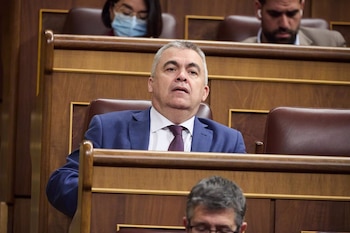
The political landscape in Spain has recently been shaken by allegations involving senior officials of the Spanish Socialist Workers’ Party (PSOE). The latest developments in this ongoing saga stem from a judicial order issued by Judge Leopoldo Puente, who authorized the lifting of secrecy in an investigation related to public works contracts. This legal decision is particularly significant, as it involves the PSOE’s Secretary of Organization, Santos Cerdán, and may implicate other high-profile politicians in serious misconduct.
The Allegations: A Closer Look
In a decision rendered by Judge Puente, it was noted that there are "consistent indications" of potential participation by Cerdán in collusion with former Minister José Luis Ábalos and Koldo García Izaguirre. The allegations suggest that the trio was involved in the improper awarding of public works contracts for a price, which could lead to possible charges of fraud and corruption.
As outlined in the judge’s order, Cerdán has been invited to voluntarily testify in the ongoing investigation on June 25, leading to widespread speculation and concern regarding the ethical implications of such actions. The judge emphasized that the investigation is now revealing new facts that could lead to further criminal implications, thus indicating a deepening inquiry into this disturbing situation.
Key Figures in the Investigation
The inquiry has garnered significant attention not only for the implications it holds for the PSOE but also for the personalities involved. Among them, José Luis Ábalos, a prominent political figure, has been summoned to testify again on June 24. Additionally, Koldo García is also expected to appear shortly thereafter, demonstrating the gravity of the situation.
Judge Puente pointed out that while the discussions around the cases are still in the preliminary stages, the evidence collected thus far points towards organized illicit activities that could be classified as both criminal association and bribery under Spanish law.
Investigative Findings and Implications
According to recent reports from media outlets such as Cadena Ser, eldiario.es, and El Mundo, an intercepted conversation involving García, Ábalos, and Cerdán revealed discussions about debts owed by various public works contractors. Allegedly, up to four construction companies are implicated, with debts exceeding 400,000 euros. This finding raises serious doubts about the integrity of public procurement processes and has led to widespread public and media scrutiny.
Such allegations hint towards a deeply rooted issue of corruption within Spain’s political framework, which further complicates public trust in government institutions. The notion that major political figures might be involved in corrupt practices to further personal gain cannot be ignored.
Response from the Involved Parties
In light of these allegations, Cerdán has publicly distanced himself from any wrongdoing related to the alleged contract rigging or the purported receipt of kickbacks. He stated his intent to hold a press conference once he reviews the findings of the Unit of Central Operative (UCO) of the Guardia Civil. He emphasized that he is confident he will not be implicated in any contractual manipulations.
This kind of public denial, however, does little to alleviate public concerns about political integrity. In a democratic society, transparency and accountability are paramount. Cerdán’s assurance may be seen as an attempt to mitigate the fallout rather than an assurance of innocence.
What Lies Ahead
As the investigation continues, the ramifications for the involved parties — both legally and politically — could be substantial. Should Cerdán, Ábalos, or anyone else be found guilty of corruption or related offenses, it could lead to significant consequences for the PSOE, potentially diminishing the party’s standing ahead of future elections.
Political analysts suggest that this incident reflects a broader need for reform in Spanish politics to ensure greater accountability among officials. Citizens are increasingly demanding that their leaders adhere to strict ethical standards to restore faith in the political system.
The unfolding of this case reminds us of the central issues facing democratic governance in Spain and raises questions about the necessity for increased oversight and transparency in all levels of government.
In conclusion, the ongoing investigation into the PSOE amid allegations of corruption highlights the urgent need for reform within the political system. The involvement of high-ranking officials in potentially unethical practices not only jeopardizes the party’s credibility but also undermines public trust in governance. As the situation develops, it will be crucial for all parties to navigate the challenges ahead with integrity to restore confidence in Spain’s political landscape.