
Pet-Friendly Revolution: How Spain Embraces Its Furry Friends
No, it’s not your imagination. For quite some time now, parks, streets, shopping centers, and many other places in Spain have seen an increase in the presence of pets over babies. Some estimates indicate that there are already six pets for every child under four years old in the country. With this trend, the pet care industry is booming and exploring new business avenues like dog-friendly cruises or the creation of specialty ice creams and pet cafés.
Barcelona serves as a prime example of this rising trend.
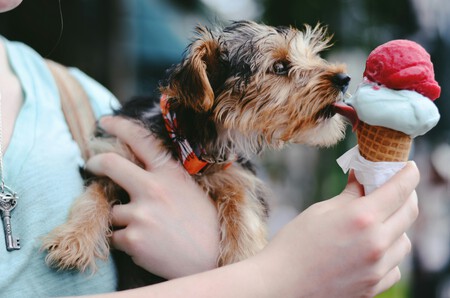
Special Ice Creams for Pets
Ice creams for pets? Yes, indeed! We’re not talking about human ice creams that are safe for pets; these are ice creams specially made for dogs and cats, designed with the ingredients they can tolerate. A recent addition to this market is Zampa Gelato, which has launched tubs in Barcelona with the slogan: “The 100% natural ice cream that makes your pet and vet happy!”
Their catalog includes flavors like watermelon and berries, apple, pear, and kiwi, or coconut, pineapple, and banana—made from lactose-free pasteurized yogurt, freeze-dried fruits, and minerals. “This isn’t just another addition to a product line; it’s our specialty. Zampa Gelato focuses solely on developing healthy ice creams for pets,” they proudly state.
More than Just an Isolated Case
This isn’t an isolated incident. The pet ice cream market may still lag behind the human ice cream sector, but more examples are appearing. The ice cream shops Bibì e Bibò in Madrid have developed a special line “100% safe for dogs,” which is made from various fruits and lactose-free skimmed yogurt while avoiding added sugars.
El Periódico de Cataluña notes that one of the partners behind the launch of Zampa in Barcelona is also part of the team behind Il Gelato dell´Amore, a “mixed ice cream shop” that proudly offers treats for both humans and their four-legged companions.
These are just two examples. A couple of years ago, the Badiani gelato shop in Barcelona also created a gelato for dogs called Dog Gelato, which in 2023 was highlighted by Elle as a refreshing treat containing 96.65% less lactose than their other ice creams, focusing on whipped cream, egg yolk, plant fibers, water, fructose, and low-lactose whole milk and powder. To enhance visibility, Badiani launched a campaign in 2024 that offered customers a professional photo alongside their dogs.

Why the Rising Demand?
The main reason is simple: owners are interested and most importantly, willing to pay for these services. “Given the growth and demand for pet-friendly establishments, we conducted a small market study,” explained Nebot to El Periódico. “Customer acceptance was immediate. The aim is to enjoy a drink with your pet rather than having them wait under the table for an ice cube or the last piece of your ice cream.” As a point of reference, last year, Il Gelato dell´Amore sold over a thousand dog tubs in August alone.
Beyond Ice Creams
Ice creams are just one example of the expanding range of products and services tailored for pets. The list is extensive and includes items that we previously thought were exclusive to humans, like “cafés,” “cocktails,” “snacks,” and even “mini champagnes.” All referred to with air quotes, of course, as these products are designed for dogs but styled to resemble familiar offerings.
A recent addition in the city is Voilà Concept Store, a café exclusively for dogs offering “dogguccinos,” “dogtails,” meat lollipops, donuts (“woof-waffles”), and special pastries. The canine cappuccino, for instance, is made with lactose-free cream and puppy milk, topped with pork, chicken, or fish.
Reflecting a Social Change
These examples speak volumes about two clear trends: the transformations in a society where seeing pets is increasingly common while children become less prevalent, and the burgeoning business that caters to this shift. In February, El País highlighted a survey among veterinarians revealing that by the end of 2024, Spain could have 1.6 million cats and 9.3 million dogs—a figure surpassing the eight million children in the country.
While these figures should be taken cautiously, they illustrate the growing importance of pets in Spanish households, a phenomenon echoed across various nations. Against this backdrop, the last few years have seen a rise in dog daycares, spas, grooming salons, hotels, and even cruises designed specifically for dogs. In 2017, the pet care sector generated €36.5 billion in the EU, with clear forecasts for growth.
Images: | Callum Blacoe (Unsplash), Christian Bowen (Unsplash)
In Xataka | Dogs’ broken bones from 16,000 years ago reveal an important story: they were our pets long ago.