
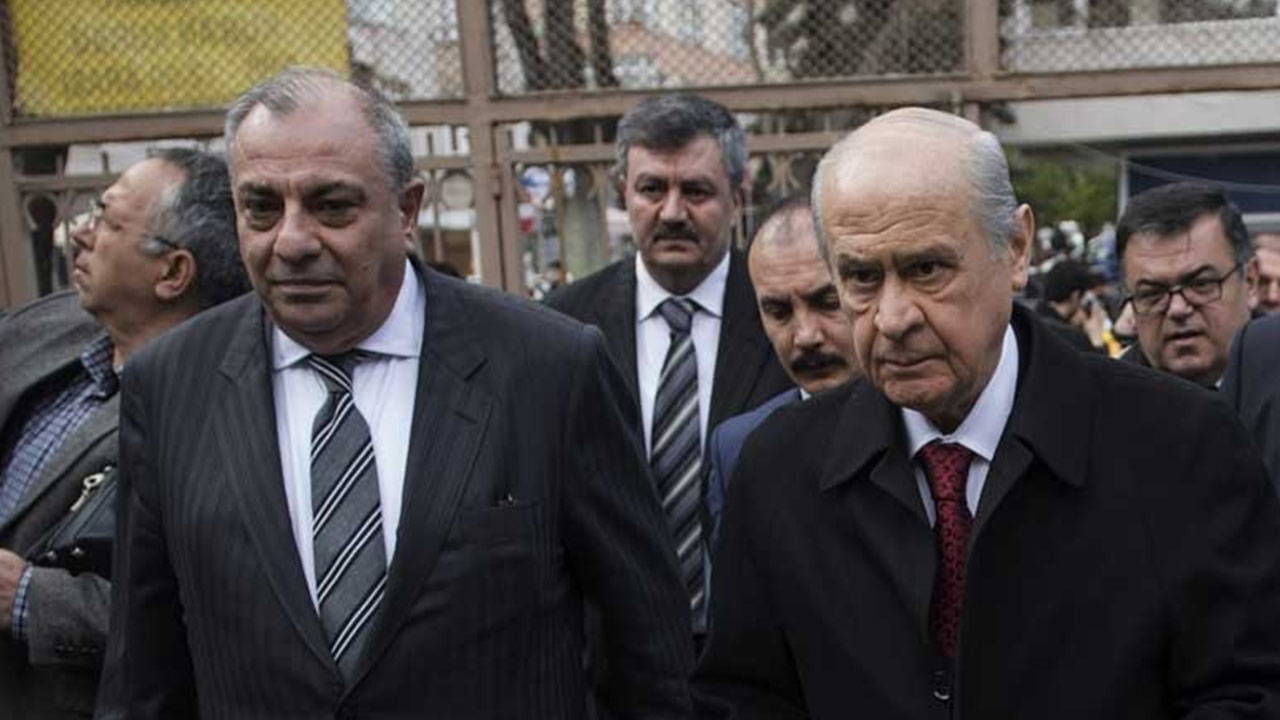
A Bold Message from Tuğrul Türkeş: A Call for Clarity in Political Discourse
In a notable social media post during the Eid al-Adha festivities, Tuğrul Türkeş, the son of the founder of the Nationalist Movement Party (MHP), Alparslan Türkeş, shared a message directed towards MHP leader Devlet Bahçeli. With the comment “personal Eid message,” Türkeş’s post has sparked conversations and raised eyebrows within political circles.
Tuğrul Türkeş, a former MHP member and current AKP member of Parliament for Ankara, used this occasion to express both gratitude and concern. He highlighted Bahçeli’s tradition of visiting his father’s grave each holiday, referring to it as “a great act of gratitude.” Türkeş remarked, “May Allah be pleased with him,” in recognition of Bahçeli’s respectful gestures.
A Critique on Language and Legacy
However, Türkeş did not shy away from expressing discontent regarding a controversial statement made by Bahçeli. Recently, during a visit to Alparslan Türkeş’s grave, Bahçeli referred to the late leader of the Kurdistan Workers’ Party (PKK), Abdullah Öcalan, as the “founding leader.” This statement is believed to have raised concerns about potential misinterpretations among the public, leading Türkeş to issue a strong critique.
“This kind of phrase can be uttered in any context but must never be mentioned in one particular place: at my father’s grave,” he asserted. His candid remarks reflect a broader apprehension regarding how political rhetoric can be misconstrued, particularly in sensitive historical contexts.
The Weight of Words: A Responsibility to the Past
Türkeş emphasized the significance of careful language when it comes to discussions surrounding figures like Öcalan, a person with a controversial reputation in Turkey. He believes that such statements could lead to misunderstandings and distort the public’s perception of historical figures involved in conflict.
“The mention of the individual in question (Abdullah Öcalan) creates perceptions that seek to absolve a ‘terrorist’ past as determined by Turkish justice,” he noted, highlighting his moral and historical obligation to clarify his position. His comments resonate deeply, particularly in a political landscape where national identity and historical narratives are hotly contested.
A Legacy of Conflict and Identity
Abdullah Öcalan, the PKK’s leader, has long been viewed as a polarizing figure in Turkish politics, representing a complex web of national issues involving identity, conflict, and the quest for autonomy among the Kurdish population. For many nationalists, any attempt to politicize his legacy is seen as an affront, and Türkeş’s firm stance serves to amplify those sentiments.
In complicated times like these, where public sentiment is raw and political divisions are deep, the words used by prominent leaders carry immense weight. Türkeş’s declaration underscores the enduring impact of historical narratives on contemporary politics in Turkey.
A Call for Respect and Honor
Tuğrul Türkeş’s statements serve not only as a personal tribute to his father’s memory but also as a broader appeal for respect towards the symbols that define national identity. He believes that the legacy of Alparslan Türkeş, who played a vital role in shaping Turkish nationalist thought, should be honored with integrity and clarity.
Moreover, Türkeş’s critique can be taken as a reminder for political leaders to reflect on their words and the historical implications they carry, particularly when addressing sensitive issues related to the nation’s past. The political landscape, filled with division and hostility, can only benefit from a more mindful and respectful dialogue.
As the political discourse unfolds, Tuğrul Türkeş’s statements stand as a potent reminder of the importance of maintaining a clear, respectful, and historically conscious narrative. His commitment to honoring his father’s legacy while navigating the complexities of contemporary Turkish politics exemplifies the delicate balance required in such discussions.
In light of these reflections, it becomes clear that the clash of ideologies and perspectives in Turkey will continue to challenge leaders to uphold their commitments to both history and morality. While Eid celebrations may serve as a time for unity, they also reveal underlying tensions that leaders must navigate with care and respect for the past.