
Unexpected Intruders: The Surge of Vipers in Your Garden
As the warm days of spring roll in, many of us look forward to enjoying our favorite drink on the freshly mown lawn. Yet, just when you settle down to appreciate the serene atmosphere, you might notice something unexpected moving at your feet. Yes, it’s that time of year again: the proliferation of vipers after mowing the lawn. But why does this happen right after you cut the grass?
Residents in the southern parts of France have raised alarms about a sudden spike in snake sightings shortly after they finish mowing their lawns. While this coincidence seems serendipitous, it is rooted in a natural phenomenon that relies on a simple action we often take without second thought.
The Simple Act That Attracts Vipers
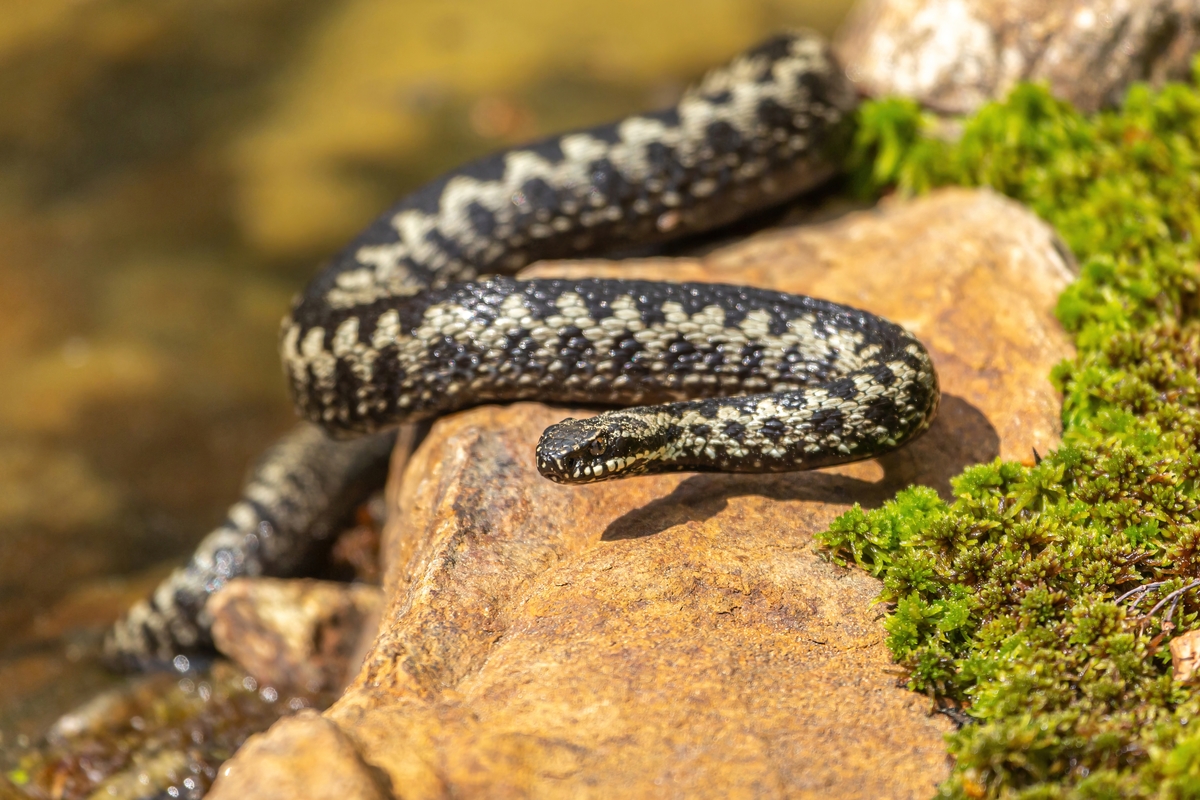
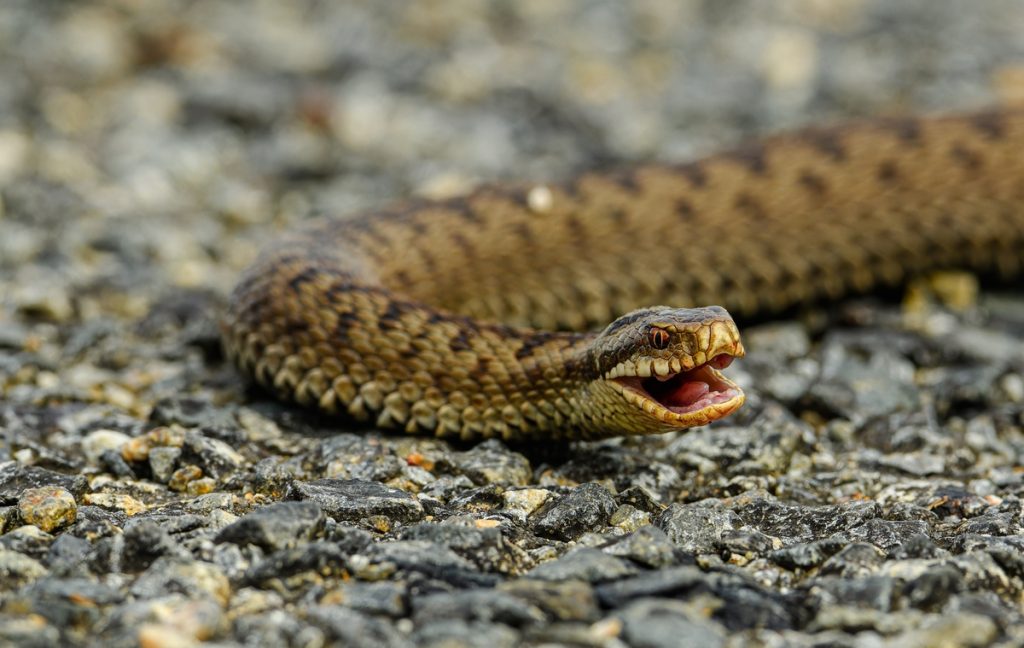
The culprits aren’t the mowers themselves but what you do afterward: gathering the cut grass into piles. While these grass clippings may seem harmless, they create an ideal environment for vipers. Warm, dense, and humid, these heaps become perfect little nests for these reptiles, providing shelter, warmth, and food sources.
“Often, we observe a renewed activity of snakes in freshly mowed areas, especially if the clippings are left lying around,” explains a herpetologist recently interviewed by France 3 Occitanie. These piles, often forgotten for “later” removal, act as an open invitation for all the slithering wildlife nearby.
Grass piles left after mowing? Dream hiding places for vipers, especially during warm weather.
Where and When Do Vipers Appear in Gardens?
The reports of these scaling intruders are mainly increasing in the southeast regions of France, but this phenomenon can extend to other areas, especially during periods of intense heat or drought. Vipers are keen to escape the scorching sun and seek shelter quickly.
What particularly attracts these snakes? Here are some of their favorite hiding spots:
- Freshly cut grass piles, especially those left in shady areas
- Nearby stones, walls, or bushes
- Areas with stagnant water or insects (potential prey)
- Tall grasses left at the borders, serving as movement corridors
These conditions create an almost magical micro-habitat for vipers, sometimes even nestled within urban areas.
Essential Gardening Tips to Keep Vipers at Bay
So how can you prevent your garden from becoming a playground for vipers? The answer is not to stop mowing but rather to adopt certain reflexes after cutting the grass.
No need for expensive repellents or elaborate measures. Immediately after mowing, make sure to collect the cut grass piles , ensuring they don’t linger. Store green waste in closed bins to avoid attracting these cold-blooded squatters seeking refuge. Additionally, it’s wise to avoid leaving moist heaps near hedges or walls, along with shaded areas where heat accumulates.
Keep an eye on wind-sheltered corners ; they’re often the first spots occupied. And most importantly, remember to wear gloves and boots while gardening, and never reach into a bag of grass clippings without turning it over first. You’d be better off avoiding surprises—naturally occurring or not.
In southern France, many residents have unearthed vipers hidden beneath the remnants of their mowing activities. With the right precautions, you can maintain a safe and enjoyable gardening experience.
General News – 2