
The Link Between Nutrition and Cancer: Health Insights
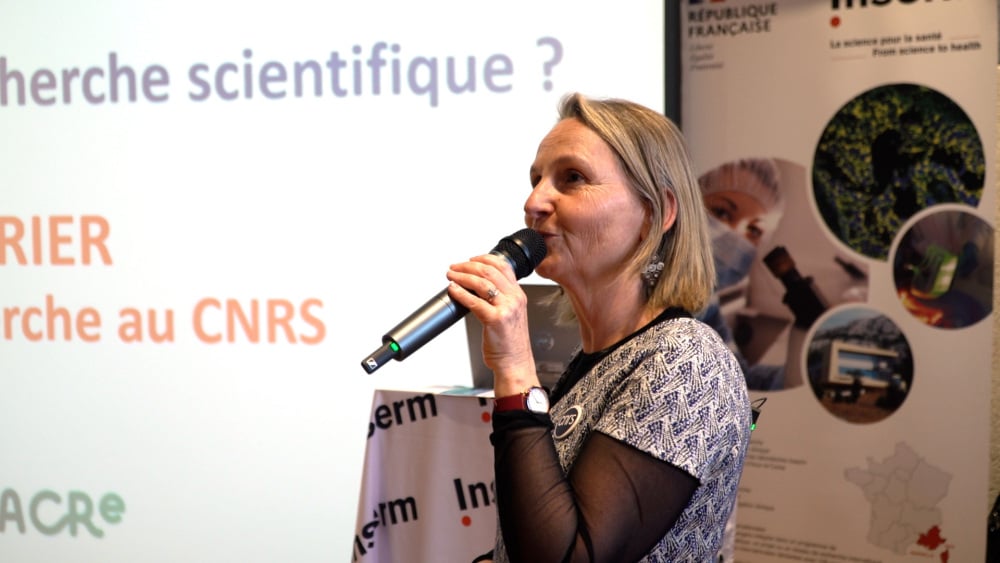
Nutrition plays a vital role in our overall wellness, but did you know it can also significantly impact the risk of developing cancer? Understanding which dietary habits can either elevate or lower this risk is crucial for long-term health. Recent discussions, including insights shared at the Casa di e Scenze de Bastia, have shed light on the relationship between our food choices and cancer development.
High-Risk Eating Behaviors
Scientific research increasingly indicates that certain eating behaviors are linked to a heightened risk of cancer. Among these are:
Excessive Sugar Intake: Regular consumption of high amounts of sugars, particularly in soft drinks and processed foods, disrupts cellular functions. This disruption can encourage the proliferation of abnormal cells, ultimately leading to tumor formation. It’s essential to monitor your sugar intake, as hidden sugars in many foods can contribute to this risk.
Overconsumption of Salt: Just like sugar, an excessive amount of salt can be detrimental to your health. High salt intake can lead to various health complications and is suspected to increase the risk of stomach cancers.
High Fat and Caloric Diets: While fats are essential for our bodies, not all fats are created equal. Consuming high levels of saturated fats and trans fats, commonly found in processed and fried foods, can lead to obesity, a significant risk factor for various cancers. Obesity itself is increasingly recognized as a direct contributor to certain cancers, including breast and colorectal cancers.
- Red and Processed Meats: Studies have shown that a diet high in red and processed meats may also contribute to an increased risk of colorectal and stomach cancers. These meats often contain preservatives and chemicals that can be harmful when consumed in large quantities.
Protective Foods Against Cancer
On the flip side, certain foods are scientifically recognized for their protective effects against cancer. These include:
Fruits and Vegetables: A diet rich in fruits and vegetables provides an array of antioxidants, vitamins, and minerals that can boost the immune system. These foods are packed with essential nutrients and compounds that help fight inflammation and neutralize free radicals.
Whole Grains: Foods like brown rice, quinoa, and oats are excellent sources of fiber, which play a crucial role in digestive health. High-fiber diets are associated with a lowered risk of colorectal cancer.
Legumes: Beans, lentils, and peas are not just high in protein but also provide essential nutrients and fibers that might lower cancer risk.
Healthy Fats: Incorporating healthy fats, such as those found in avocados, nuts, and olive oil, can be beneficial. These fats help in reducing inflammation and are associated with lower cancer risks.
- Herbs and Spices: Some studies suggest that certain herbs and spices, such as turmeric and garlic, have anti-cancer properties, reducing cellular inflammation and protecting against cancer cell growth.
Lifestyle Changes for Cancer Prevention
Adopting a healthier diet is just one part of cancer prevention. Various lifestyle changes can substantially lower your risk:
Physical Activity: Regular exercise helps control weight and reduces the risk of developing cancers associated with obesity.
Limit Alcohol Consumption: High alcohol intake has been linked to an increased risk of several types of cancer, including liver and breast cancer.
Avoid Tobacco: Smoking is the leading cause of cancer and is responsible for many deaths worldwide. Quitting smoking is one of the most effective ways to lower your cancer risk.
- Routine Check-Ups: Regular screenings can help detect cancer in its early stages, making it easier to treat effectively.
Conclusion
The intricate relationship between nutrition and cancer underscores the importance of making informed food choices. By adopting a diet low in processed sugars and unhealthy fats while embracing fruits, vegetables, and whole grains, individuals can significantly reduce their cancer risks. Making lifestyle changes, such as engaging in physical activity and avoiding tobacco and alcohol, enhances this preventive approach. Empowering ourselves through knowledge of our dietary habits is an essential step towards better health and cancer prevention.