
Understanding the Ongoing Controversy Over Germany’s Bürgergeld Reform
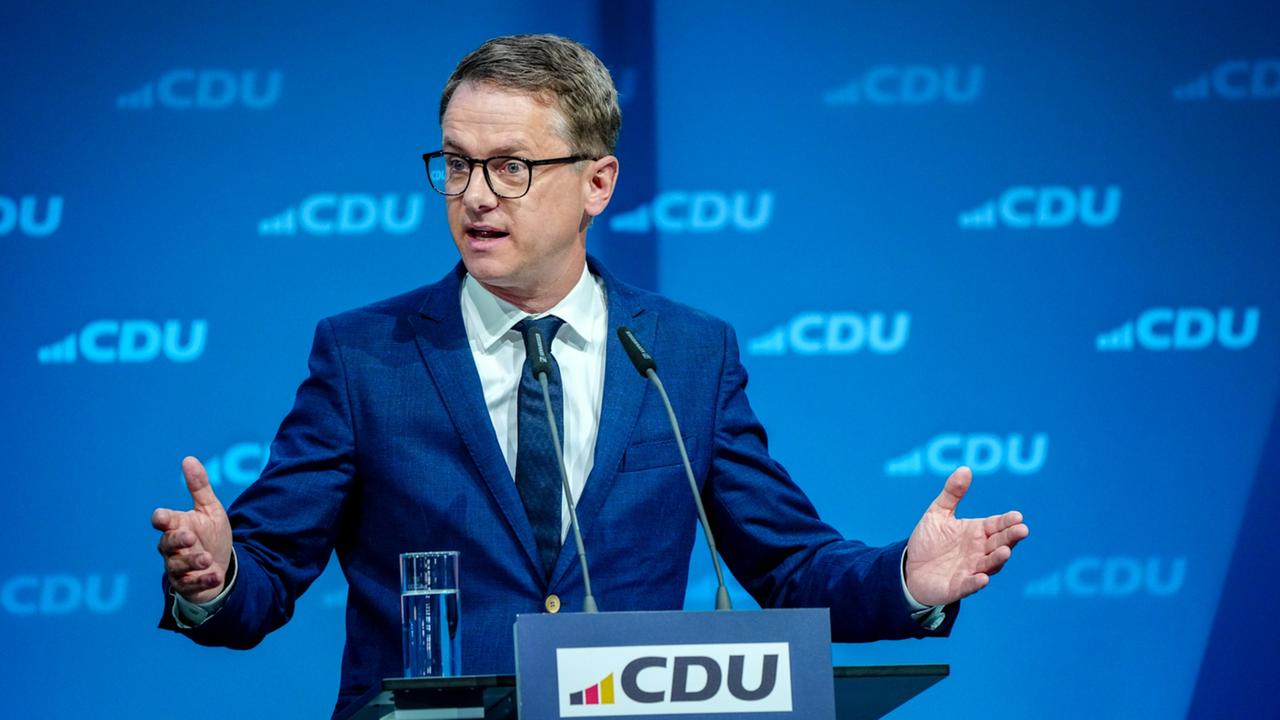
The calls for reforming the Bürgergeld —Germany’s social welfare program—have sparked significant debate among political leaders. As it stands, a transformation of the Bürgergeld is not merely a suggestion but has become a notable political agenda item. The friction emerges primarily between the Christian Democratic Union (CDU) and the Social Democratic Party (SPD) , where disagreements over the approach and implementation are inevitable. Particularly vocal in this discussion is Carsten Linnemann , the CDU general secretary, who advocates for sweeping reforms and even the suspension of payments to certain beneficiaries.
CDU’s Call for Substantial Changes
CDU general secretary Carsten Linnemann insists that the Bürgergeld system requires fundamental changes. “We must truly delve into the substance of the system,” he stated in an interview with dpa news agency. “We cannot simply announce new sanctions as has been the case in previous years, which then fail to be implemented at local job centers.”
Linnemann emphasizes that there needs to be a consensus on a crucial point: If an individual consistently refuses reasonable job opportunities while being evidently able to work, the state must assume that this person is not in need. Consequently, they would not qualify for Bürgergeld anymore. “We need a paradigm shift,” he contended, echoing sentiments expressed by other conservative leaders.
Reforming the Social Safety Net
This perspective aligns Linnemann with Chancellor Friedrich Merz , who has made it clear that complete withdrawal of benefits should be imposed on individuals capable of work who repeatedly reject suitable employment offers. The message from the CDU leadership is clear: the current social safety net fosters a lack of accountability and needs reconfiguration to ensure fairness.
Linnemann stated, “If a person cannot work due to physical limitations or other valid reasons, then they rightfully need the full support of the community. However, the principle must be established that those who can work must do so. No one should expect others to pay for them while they avoid work.”
A Shift Towards Justice in the Social System
Linnemann seeks a tight collaboration with Federal Labor Minister Bärbel Bas from the SPD, pointing out their shared interest in creating a fairer social system. There is a growing impression that the Bürgergeld has become synonymous with injustice in Germany , as underscored by Linnemann’s remarks considering the program’s long-standing perceptions.
According to the coalition agreement, the CDU and SPD are set to redesign the Bürgergeld into a new “basic security for job seekers.” This overhaul will prioritize employment facilitation for those eligible to work while also tightening mitigation requirements and penalties.
Tackling Fraudulent Practices
In response to concerns about fraud, Labor Minister Bärbel Bas announced plans to combat systemic abuses within the Bürgergeld program. She noted that individuals inadequately compensated could apply for supplementary support, but there exist exploitative frameworks that lure people from other European countries into Germany, offering them minimal contracts while simultaneously encouraging them to apply for Bürgergeld . “These are the mafia-like structures we must dismantle,” she stated explicitly, spotlighting the complexities of the welfare system.
Demands for Increased Support
In contrast, Verena Bentele , the president of the social association VdK , has called for an increase in the Bürgergeld amount along with a reduction in value-added tax on essential food items. In a recent interview, she highlighted the soaring prices for staples like strawberries, indicating that these costs have become untenable for families living on minimal incomes or those reliant on Bürgergeld .
According to Bentele, the regulation rates need to be adjusted constantly in line with the current pricing trends. “The costs for food within the monthly regulatory framework must ensure that beneficiaries can maintain a healthy diet,” she emphasized, advocating for a reduction in taxes on basic nutrition products like fruits and vegetables, which could ease the financial burden on low-income households.
In conclusion, the future of the Bürgergeld lies at a pivotal crossroads, where varying political ideologies clash over what constitutes fairness and justice within Germany’s social safety net. As various parties outline their positions and proposed reforms, the dialogue surrounding this program will undoubtedly evolve, shaping the lives of countless citizens who rely on it for support. How the coalition navigates this contentious landscape will set precedents for social policy in the years to come.
General News – 2