
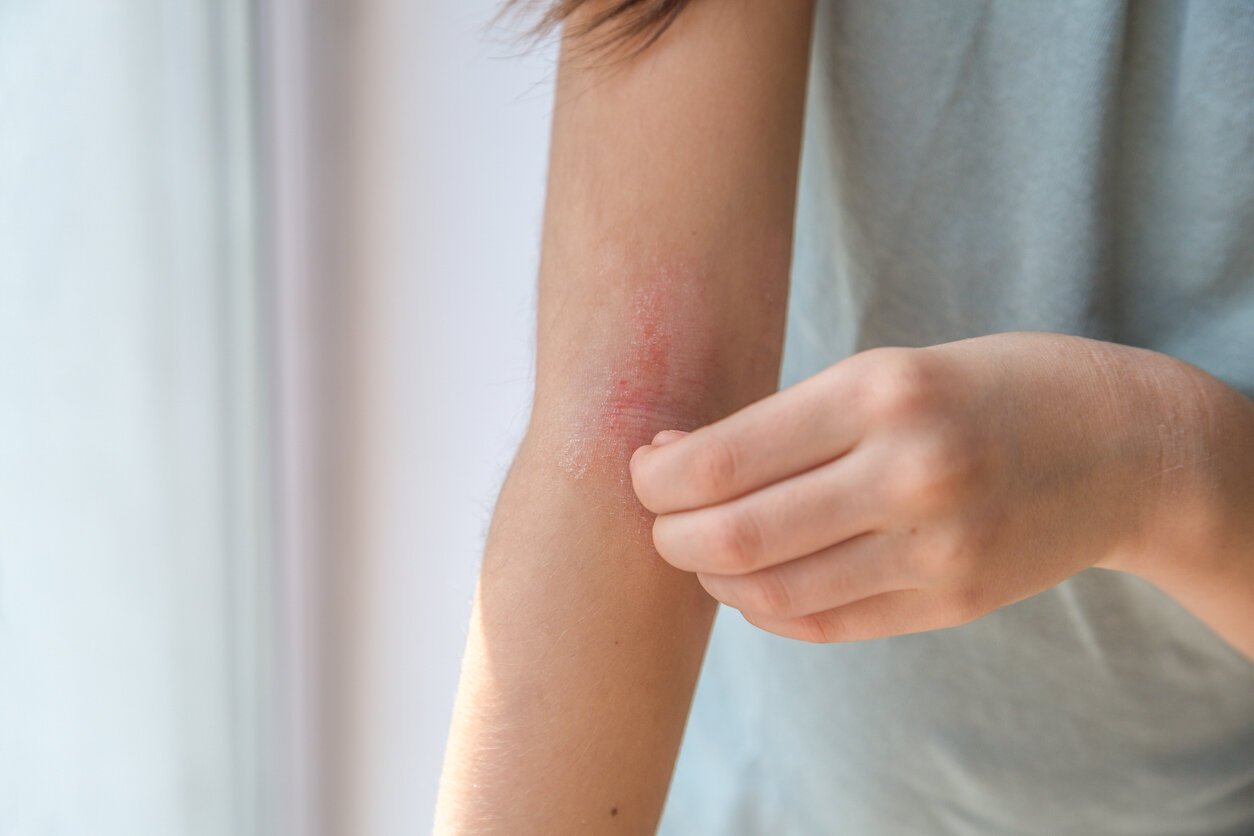
Did you think you knew everything about eczema ? Think again! This Saturday, June 7, marks the National Eczema Day , a perfect opportunity to raise awareness about this skin disease , which is often understood only superficially. The goal? “To shed light on the multiple challenges faced by those affected and to better understand the complex and often overlooked realities of the condition,” according to the French Eczema Association .
To recap, eczema is an inflammatory skin disease that affects four million people in France. It can take various forms, including the most common and chronic type: atopic dermatitis . Eczema is always associated with itching that can flare up, at times unbearably, affecting all areas of the body. When not treated properly, these symptoms can significantly impact the physical health of those affected.
The Impact of Eczema on Mental Health
However, what is less frequently discussed is the effect of eczema on mental health . Regarding this issue, clinical psychologist Céline le Bivic stated, “Having atopic eczema means managing unpredictable flare-ups daily, enduring constant itching, visible lesions , and pain . This can create a sense of insecurity and rejection, deteriorating self-esteem and fostering feelings of isolation.”
According to the expert, factors such as “ social stigma , shame, guilt, and frustration are quite common among these patients.” She notes that these elements can considerably affect quality of life , perpetuate anxieties over time, and sometimes lead patients toward depression .
Mobilizing for Better Understanding of the Disease
Today, eczema remains a taboo issue, frequently subjected to misconceptions that are difficult to dislodge. Such misunderstandings can exacerbate the well-being of those living with the condition. Moreover, a lack of understanding about their own illness can hinder patients from accessing proper treatments and care, sometimes even causing them to avoid activities for no valid reason.
To break this vicious cycle, the French Eczema Association is organizing events to explore the disease this Saturday, June 7. Cities like Paris, Marseille, and La Rochelle will host round tables, conferences, debates, relaxation workshops, and even the screening of a play! Check the complete program on the association’s website. In the meantime, challenge your knowledge of the condition with their quiz!
Understanding Eczema: Symptoms and Types
Eczema encompasses various forms, with each having unique characteristics. The most prevalent type, atopic dermatitis , often begins in childhood and can persist into adulthood. Symptoms include dry, itchy skin, red or brownish-gray patches, and thickened, cracked skin. Other forms include contact dermatitis , which is triggered by direct contact with irritants or allergens, and dyshidrotic eczema , which affects the hands and feet.
It’s crucial for people to recognize the symptoms early. Untreated eczema can lead to severe skin infections and discomfort that affects daily life. Awareness and education can significantly improve the management of the disease, enhancing the quality of life for those affected.
Effective Treatment Options
Currently, various treatment options are available for eczema sufferers. These include moisturizers to alleviate dryness, topical corticosteroids to reduce inflammation, and immunosuppressants for severe cases. Moreover, phototherapy has shown effective results in managing eczema symptoms.
It is essential to consult a healthcare professional to determine the appropriate treatment tailored to individual cases. Lifestyle changes, such as avoiding known triggers and adopting a gentle skin-care routine, can also make a significant difference.
Community Support for Eczema Patients
Supporting each other is vital for those dealing with eczema. Local support groups can provide a platform for sharing experiences, coping strategies, and emotional support. Engaging with others who truly understand the challenges can diminish feelings of isolation and improve overall mental wellness.
As National Eczema Day approaches, let us commit to raising awareness and understanding of this condition. The more we educate ourselves and others, the better we can support those affected by eczema, creating a more compassionate and informed environment.
In conclusion, awareness of eczema extends beyond its physical symptoms; it’s pivotal to recognize its profound impact on mental health and overall well-being. Encouraging open conversations can help dismantle the stigma surrounding this condition, offering hope and empowerment to those dealing with its challenges.