
The Hidden Truth Behind Turkey’s Coal Distribution Scandal
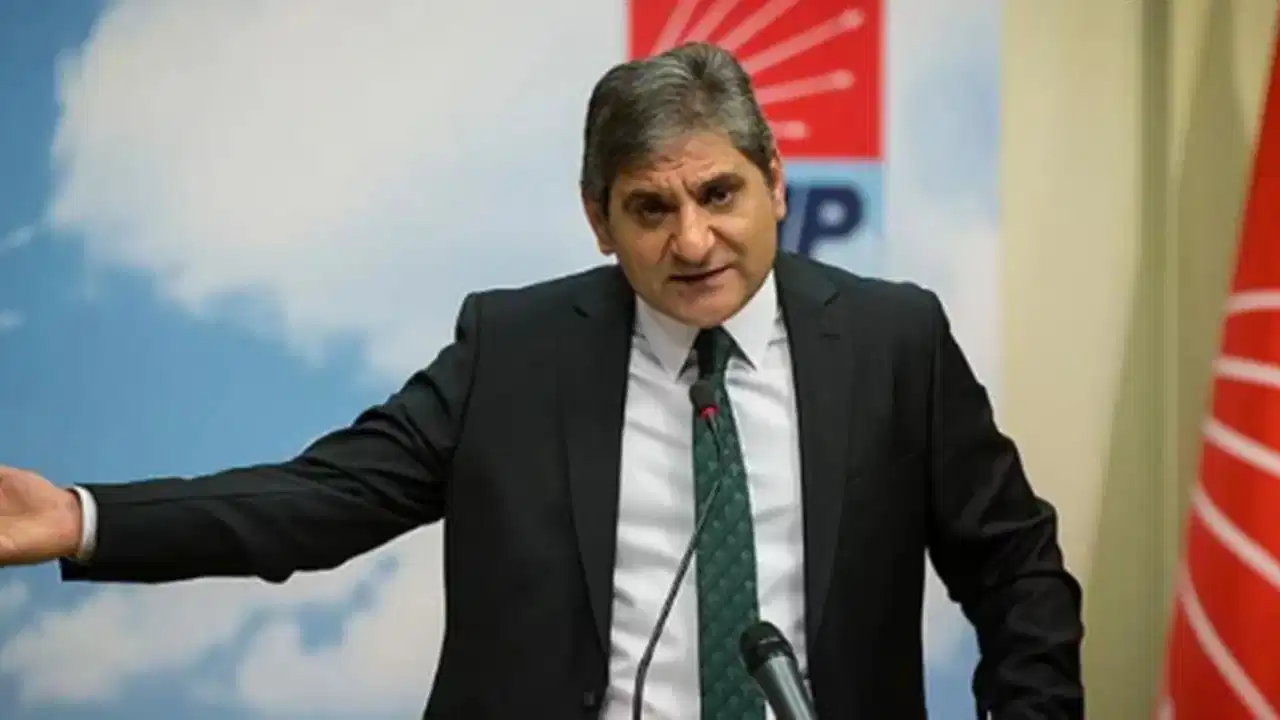
In a revealing article written by journalist Bahadır Özgür for Halk TV, significant allegations concerning the Istanbul Metropolitan Municipality (İBB) have come to light. The focus is on Ertan Yıldız , who, after benefiting from a clause of “effective repentance,” provided testimony that led to the arrest of Aykut Erdoğdu , a member of the Republican People’s Party (CHP) . His testimony exposes a scandal dating back two decades concerning what Özgür describes as “the first major scheme of enrichment by the AKP.”
The Employ of Social Policy in Coal Distribution
Özgür begins by discussing the once-praised “social policies” of the AKP (Justice and Development Party), notably centered around the distribution of free coal. Initially deemed a charitable initiative, this policy concealed massive networks of profit generation. The story unfolds with the closure of various coal mines by the Turkey Coal Enterprises (TKİ) in 2002, under the pretext that they produced low-quality coal.
The Dodurga Coal Mine in Çorum was subsequently put up for lease, and the Çelikler Construction Company, which had previously only engaged in small-scale construction projects in Anatolia, won the tender. Following this contract, the company experienced substantial growth, eventually taking over major infrastructure projects, including the Seyitömer, Orhaneli, Tunçbilek, and Afşin Elbistan A power plants. It became synonymous with government favoritism.
Questionable Practices in Coal Procurement
The post-tender developments were nothing short of extraordinary. Despite the government deeming these mines unfit for operation, they found a way to procure coal from them without raising suspicions. By producing new analysis reports, coal from previously classified “low-quality” sources was rebranded as “first-class.”
Following this reclassification, the government nearly doubled the selling price for coal within a few years and began distributing 500 kilograms of free coal to low-income households via AKP-affiliated municipalities. This move concealed a far darker issue lurking behind the scenes: the TKİ began acquiring coal from the private firms at inflated prices without following due procedure.
Moreover, in a shocking revelation, the companies provided coal that barely met required standards—bags marketed as 25 kilos were often weighed at just 12 kilograms and contained stones or other contaminants. As families quickly consumed their allocated 500 kilograms, the government expanded distribution to 1.5 to 2 tons to counteract public dissatisfaction.
Aykut Erdoğdu: The Whistleblower
Aykut Erdoğdu, then-head controller at the Treasury Undersecretariat , undertook an investigation into this massive public loss linked to the TKİ. His comprehensive report revealed a bankrupting network of corruption surpassing 10 billion Turkish Lira. Erdoğdu emerged as a key figure exposing the malfeasance, presenting his findings to the Treasury on July 3, 2009. He also made a formal complaint to the Ankara Chief Public Prosecutor’s Office.
Despite the weight of his evidence, the response from authorities was disheartening. Reports by both the Treasury and the Ministry of Energy were filed away, and payments to Çelikler continued uninterrupted. The Ankara Chief Public Prosecutor’s office took the shocking step of shelving the case, citing diplomatic immunity for then-Minister Hilmi Güler.
In a further attempt to suppress the scandal, a 2011 legal amendment exempted coal distribution to impoverished families from public procurement laws. This move effectively shielded Çelikler from accountability.
The Consequences of Exposing Corruption
Though Erdoğdu transitioned from a position in the treasury to a parliamentary role with the CHP, he consistently highlighted the coal corruption scandal as a central issue during his tenure. He has frequently emphasized that this orchestrated scheme forms the nucleus of the AKP’s broader systemic corruption.
Unfortunately, the repercussions for Erdoğdu have been dire. He now finds himself imprisoned, facing accusations that seem designed to silence his revelations. The allegations? Carrying bribe money in a bag.
The unfolding narrative illustrates a complex web of corruption that goes beyond mere profiteering, marking a stark reality of how political power can manipulate economically disadvantaged segments of society under the guise of benevolence. The arrest of Erdoğdu, a former inspector turned whistleblower, serves as a cautionary tale about the risks faced by those who dare to speak out against entrenched corruption.
In the end, as public scrutiny continues, the hope remains that the truth may yet surface, leading to accountability and justice in the face of profound mismanagement.