
The high interest rates implemented in Turkey have made it nearly impossible for numerous companies to access affordable financing, leading to a surge in bankruptcies and insolvencies . In the first five months of the year, the number of companies filing for concordat increased by a staggering 97% compared to the same period last year, reaching 967 . The textile industry emerged as the most vulnerable sector, registering 71 concordats.
Recent news from Baltalı Group highlighted the shock waves reverberating through the textile sector, following a series of bankruptcies and the shift of large-scale companies’ production to Egypt.
TURKEY’S LEADING TEXTILE COMPANY CLOSES TWO FACTORIES
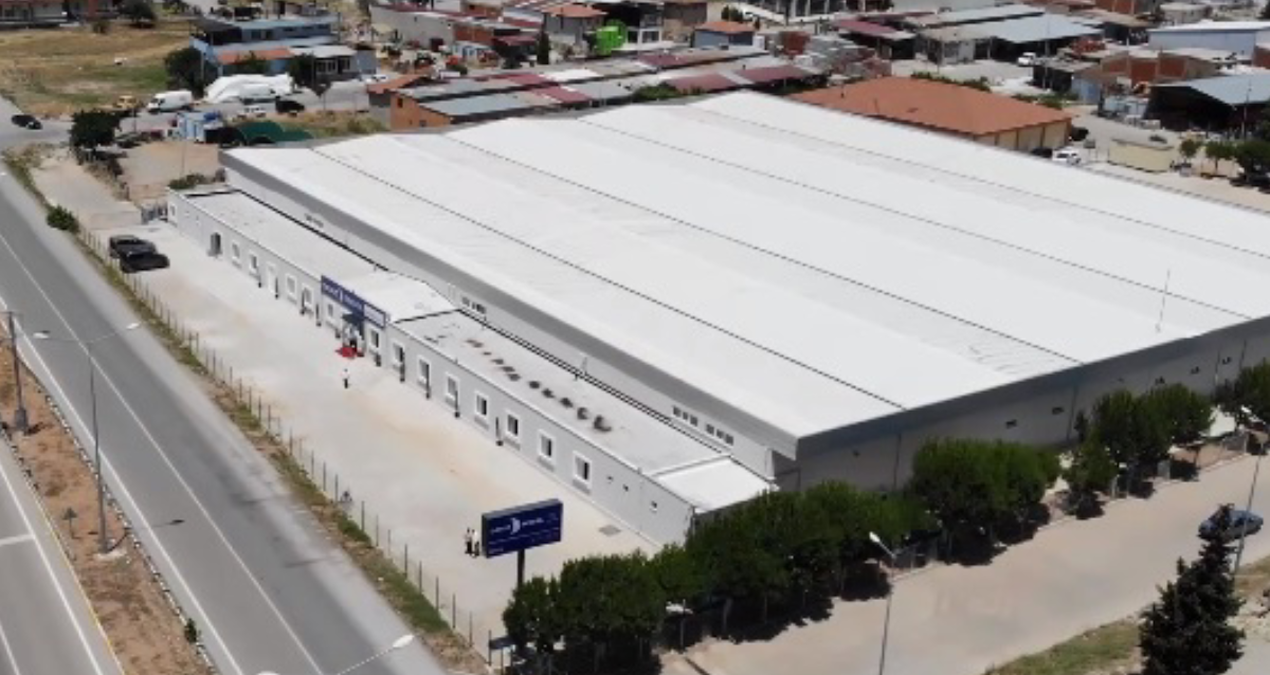
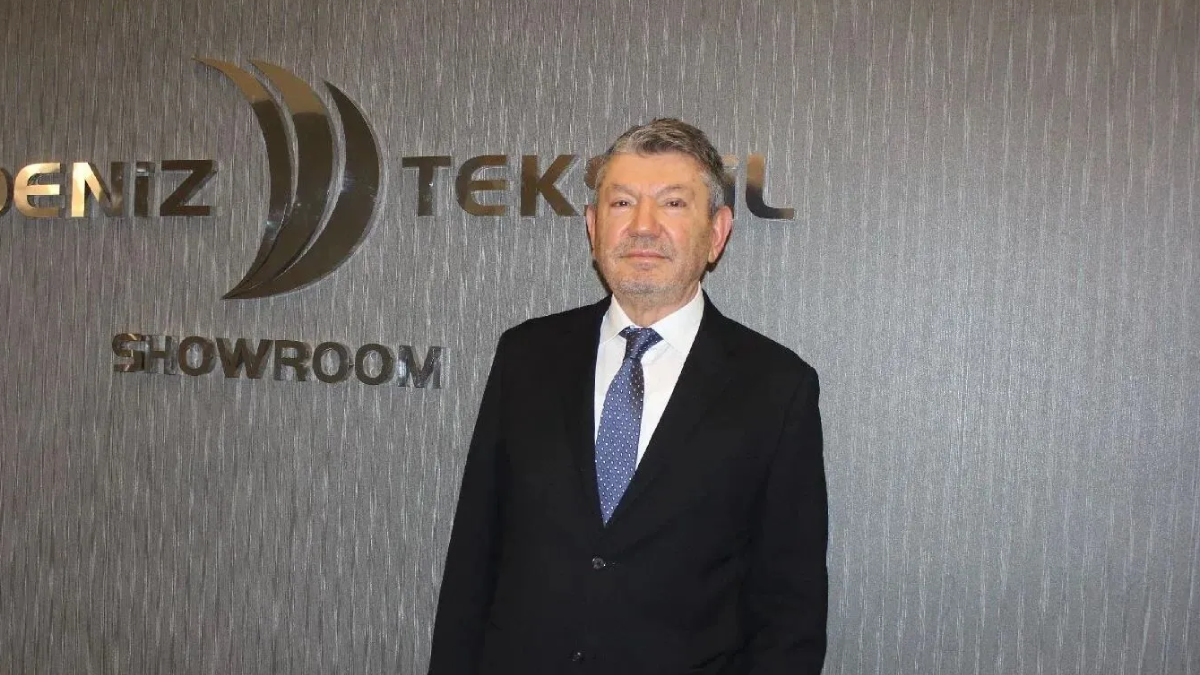
Deniz Tekstil, one of Turkey’s largest textile firms under the Baltalı Group, announced the closure of its factories in Hocalar in Afyonkarahisar and Çal in Denizli due to financial troubles. According to a report from DRT TV by İbrahim Alayont, the decision to close the two production facilities was influenced by the contraction experienced in the textile market.
“IF ORDERS INCREASE, WE WILL REOPEN THE FACTORIES”
Derya Baltalı, Chairman of the Group’s Board, stated that the clothing factories in Afyon’s Hocalar district and Denizli’s Çal district were shuttered due to dwindling orders and difficult economic conditions. She commented, “If orders increase, we will reopen the closed facilities. The decision to close the factory we opened in Çal in 2018 is not related to any political or local governmental issues.”
“WE HAVE LOST OUR COMPETITIVENESS DUE TO THE ECONOMIC PROGRAM”
Baltalı emphasized that the high interest rates and difficult access to financing have placed industrialists in a challenging position. “The high interest rates and limited access to financing are significant problems. Financial institutions view the textile market as troubled and are reluctant to extend credit. Unfortunately, the textile and clothing sector exemplify this situation. Last year, we temporarily closed our production in Hocalar for five months due to declining demand; we reopened on January 1, 2025. However, as demand has weakened further, we have made the decision to close our production facilities in Hocalar and Çal. Solutions do exist, but unfortunately, we have lost our competitiveness long ago. The implemented programs have led to this loss. We have succumbed to inflation, disinterest in demand, and currency instability. As long as currency appreciation does not keep pace with inflation, this situation is likely to persist. If orders increase, we will reopen the facilities we closed. The first places to reopen will be here,” she stated.
“THERE ARE 3,000 FACTORIES FOR SALE IN TURKEY”
Baltalı provided critical insights regarding the ongoing crisis in Turkey, indicating that approximately 3,000 factories are currently up for sale in the country, with an equal number also available for rent. This number is expected to rise in the near future. She questioned how the country reached this point, stressing that without industry, there can be no working class, and the middle class cannot emerge. “Without disenfranchising industrialists, it would be greatly beneficial for our cities and the nation to regain a status where they invest, produce, and export,” she concluded.
General News – 1