
Unveiling AI Creativity: The Impact of Veo 3

The rise of Artificial Intelligence (AI) has dramatically transformed creative landscapes, with Google’s recently launched Veo 3 taking center stage. Introduced on May 21, 2025, this generative AI tool has sparked widespread fascination and debate. Projects made using Veo 3 showcase incredible creativity, consisting of eye-catching visuals that range from an individual joyfully leaping into lava to surreal imagery depicting a baby made of plastic bottles.
These remarkable creations have flooded social media platforms, often appearing genuine enough to pass as clips from actual movies. In fact, some mischievous users have taken to placing a “Veo 3” logo on scenes from Ready Player One, leading many to believe they were viewing another AI-generated masterpiece. The blurred lines between genuine content and AI-generated imagery pose significant implications for media consumption and authenticity.
The Challenge of Authenticity in AI Art
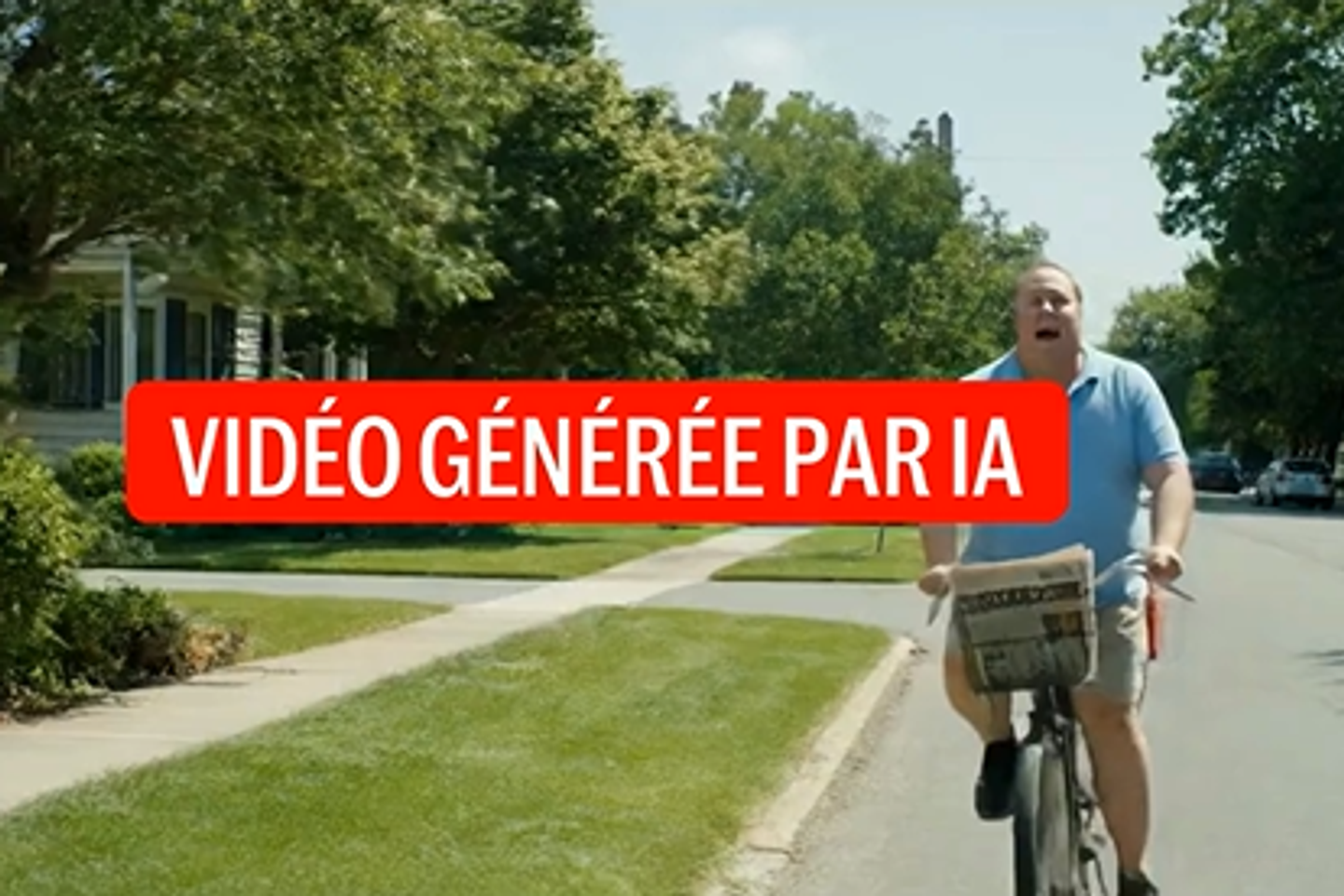
In light of these advancements, discerning the authenticity of content becomes more crucial than ever. To investigate further, Le Monde embarked on an experiment to replicate various viral videos using Veo 3, which, surprisingly, remains unavailable in France at this time. While they strove to replicate the popular clip of actor Will Smith dining on spaghetti in an unconventional fashion, they found varying levels of success with other attempts.
Much to their surprise, many of their attempts yielded results that were nearly indistinguishable from real footage. This experiment lays bare the capabilities of Veo 3—AI can create deeply engaging and visually stunning content with remarkable comparative ease . Tubers and social media influencers capitalizing on this technology can curate an online presence that may lead to new paradigms in what we regard as “art.”
The Emotional Impact of AI in Art
Artists have long reveled in the personal expressions that art provides. The fusion of AI and creativity raises questions about emotional authenticity—is a piece generated by an algorithm capable of evoking genuine feelings? Moreover, how might the public react to witnessing an AI-crafted emotional moment? Will this phenomenon devalue human creativity or serve as a complement to it?
Moreover, AI-generated art can reach audiences without the emotional weight often carried by human artists. It opens avenues for experimentation, enabling creators to explore limitless ideas in a fraction of the time. However, should the respective emotional undertones dictate the perceived quality or value of the art? The complexity of emotions tied to human creation contrasts sharply with the detached efficiency of algorithms.
Implications for the Future of Creative Industries
As AI tools like Veo 3 become increasingly mainstream, they are likely to have far-reaching consequences for various creative industries. From film and animation to advertising and marketing, the scope for innovation appears endless. Businesses may soon find these tools essential for their content strategies, leveraging the power of AI to generate engaging narratives and visually compelling advertisements.
Nevertheless, various challenges remain unaddressed. This includes potential copyright issues arising from AI-generated content, as well as the ethical implications surrounding originality and authorship. Would credits and royalties still apply when a machine takes the reins of creation? As these questions linger, it is vital for professionals in creative fields to navigate the evolving landscape with caution.
The introduction of Veo 3 serves as a pivotal moment in the realm of creativity and technology as these two domains converge. By prompting discussions on authenticity, emotional resonance, and ethical considerations, this AI tool presents an opportunity for society to recalibrate how it understands and appreciates artistry in the digital age. As we move forward, embracing the dual evolution of human creativity and technological ingenuity may very well be the key to an enriched creative future.