
Climeworks: Pioneering Carbon Capture Technology in Iceland
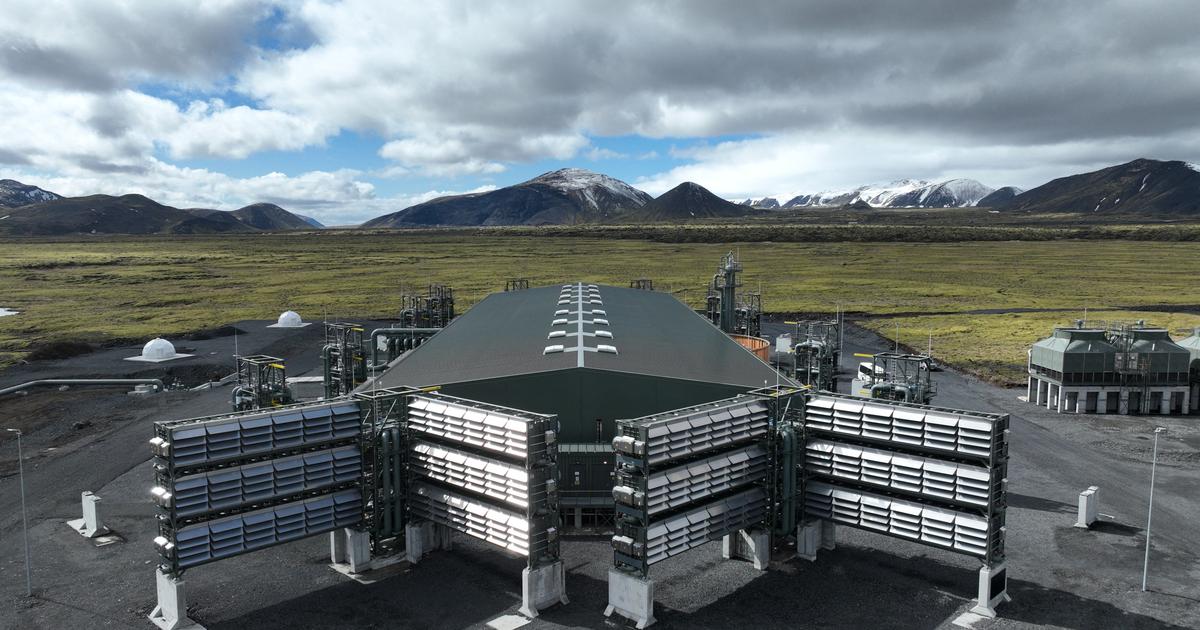
Climeworks, a Swiss company founded in 2009, has emerged as a leader in the innovative field of carbon capture technology. Specializing in methods to extract carbon dioxide (CO₂) directly from the atmosphere, the business has seen rapid growth in recent years. Climeworks operates two significant facilities in Iceland — Orca, launched in 2021, and Mammoth, set to commence operations in 2024. These installations utilize Iceland’s abundant geothermal energy, turning it into a vital resource for environmentally-conscious carbon capture.
How Carbon Capture Works
The core technology employed by Climeworks involves massive machines often referred to as "CO₂ vacuums." These facilities are designed to draw in ambient air, extracting CO₂ and subsequently storing it underground by mineralizing it into rock formations. This process is crucial for businesses striving to offset their greenhouse gas emissions, making carbon capture a vital element in the fight against climate change.
Financial Backing and Future Ambitions
Climeworks has garnered significant support from a range of industrial partners eager to mitigate their carbon footprints. In a bold move to expand its reach, Climeworks had also announced plans to establish several new sites across the United States, with the construction of a facility in Louisiana expected to begin shortly.
Despite these ambitious goals, the company now faces serious challenges. Less than a year after the launch of its latest facility, Mammoth, internally reported difficulties indicate that Climeworks has begun to scale back on some of its simpler projects. The company previously anticipated rapid, unabated growth, but internal restructuring has become necessary to fit existing market conditions.
Challenges and Criticism
While Climeworks has made remarkable strides in sustainable technology, the financial strains facing the company cannot be dismissed. The high costs of carbon capture technology have led some critics to question its feasibility as a widespread solution for balancing humanity’s carbon output.
Furthermore, the efficiency of the machines — although promising, is still under scrutiny. Some environmental scientists argue that the effectiveness of carbon capture is not yet where it needs to be. There is a need for improved technology that could operate on a larger scale with reduced expense, allowing for widespread adoption.
The operational costs of maintaining and building new systems like those operated by Climeworks would require significant capital investment. As carbon prices fluctuate, the economic viability of carbon capture could sway, overshadowing the technological advantages it provides.
Importance of Continued Innovation
To bolster its competitive stance, Climeworks must pursue relentless innovation in technology and maintenance processes. While their current approach sets a benchmark, a broader adoption of carbon capture technology will inherently rely on improvements in efficiency and funding.
The global climate agenda calls for collective action, necessitating affordable and effective carbon reduction solutions. Climeworks’ success could set a precedent for other companies aiming to explore carbon capture or related technologies.
ENQUÊTE – Within a year of launching their latest facility, Climeworks faces significant challenges in operation and sustainability. While they once envisioned rapid expansion, the stark reality of financial sustainability may force adjustments in their ambitious plans. Keeping pace with innovation in carbon capture technology does appear possible, but adapting to market realities is equally crucial for the company’s long-term survival. The climate crisis underscores the need for effective methods, and companies like Climeworks hold the key to a sustainable future through state-of-the-art carbon extraction, provided they address pivotal operational challenges along the way.