
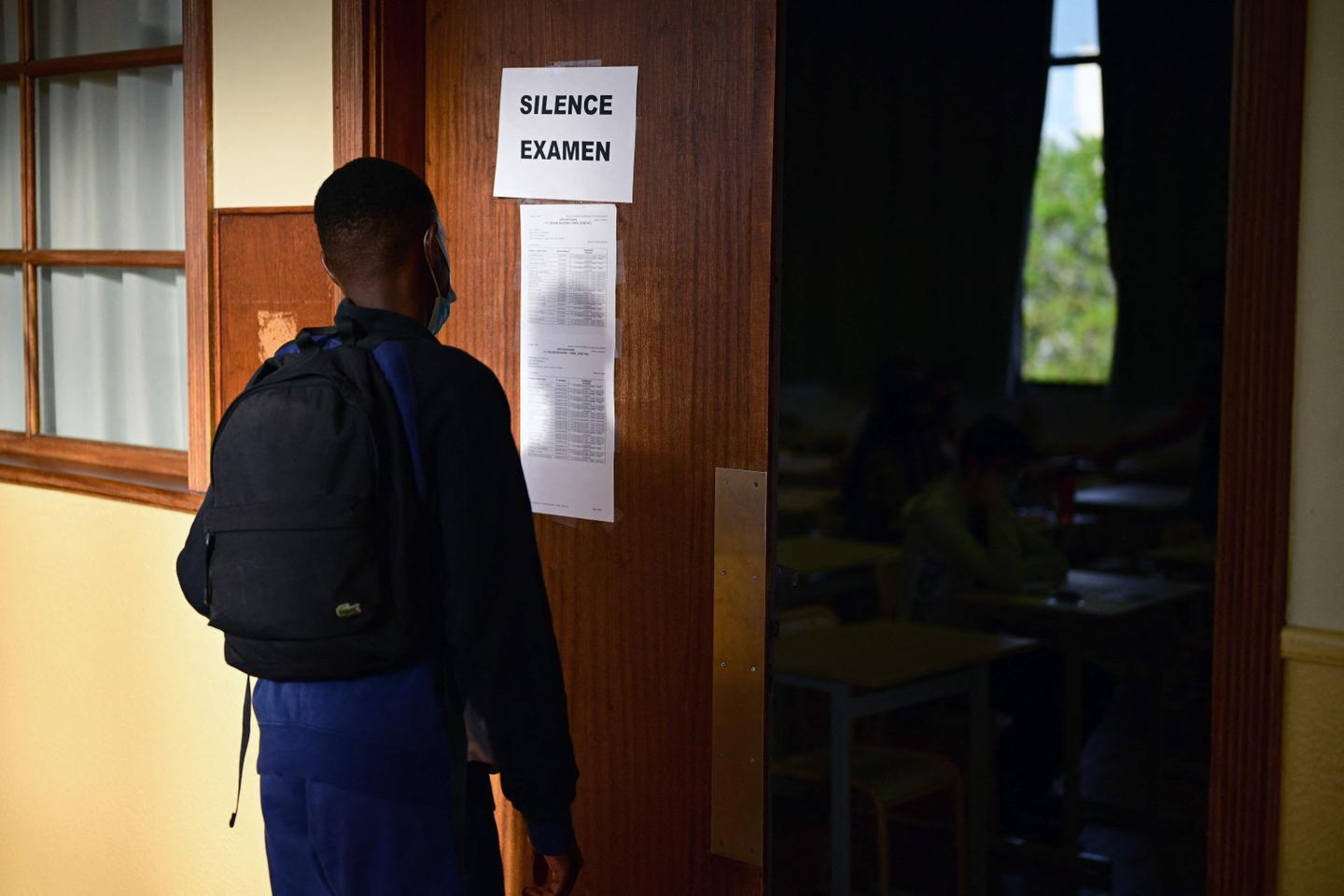

The youngest candidate for the 2025 baccalaureate (the French national examination) has just been announced to be an astonishing 8 years old , according to the Ministère de l’Éducation Nationale . This marks a historic milestone for the exam, which has been a significant rite of passage for French students since its inception in the early 19th century.
“These are truly exceptional cases. Each time, it’s a student among an entire cohort, making it a remarkable exception,” commented Caroline Pascal , the General Director of School Education, during a press conference.
The young candidate, who is age-appropriate for the CE1 or CE2 level, is registered as an independent candidate for the baccalaureate session starting on June 16 with the philosophy exam. The ministry has not disclosed further details regarding the student’s identity.
The previous record was just last year, when a 9-year-old student from the Strasbourg academy appeared for the exam. In 2023, the youngest candidate was a 12-year-old from the Versailles academy .
The Age Milestone in French Education
The baccalaureate , one of the most prestigious exams in France, historically marks a significant transition from secondary education to higher studies. Representing an essential step before entering university, it primarily serves as a culmination of secondary education , testing students across a variety of subjects like literature , science , and philosophy . The evolving age of candidates not only highlights the capabilities of exceptionally gifted individuals but also poses questions about the educational structure in France.
Parental Guidance and Support
For exceptionally young candidates, the role of parents becomes critical in providing support. Balancing encouragement with the pressures of such an important examination is vital. Parents often orchestrate a structured learning environment , catering to the unique learning styles and needs of their gifted children. This establishes a foundation that can lead to success, while also ensuring the child’s emotional and mental well-being is closely monitored.
The Role of the Education System
In response to the growing number of young candidates, the education system must adapt. Educational policies need to address the specific requirements of gifted children, ensuring they are provided with resources and opportunities to excel. This includes tailored curriculums, mentoring programs, and advanced learning materials. Support systems within schools play an increasingly vital role in facilitating the learning journey and helping balance academic rigor with a child’s overall development.
Social and Media Reactions
The announcement of such a young baccalaureate candidate has sparked diverse reactions across social media and public discourse. Many users express admiration for the child’s intellectual prowess , while others raise concerns about the implications of a child engaging in such high-pressure situations. The phenomenon opens avenues for broader discussions on educational ethics , societal expectations, and the emotional consequences of pushing young individuals to perform at extraordinary levels.
Conclusion
As young minds continue to break records in the academic world, it becomes essential to nurture talent while safeguarding their childhood. The dialogue surrounding early academic achievement is evolving, and it calls for a collective approach to educational reform that considers the unique needs and development of gifted children. The story of the 8-year-old baccalaureate candidate is a strong reminder that education must encompass not just achievement but also the holistic development of every individual.