
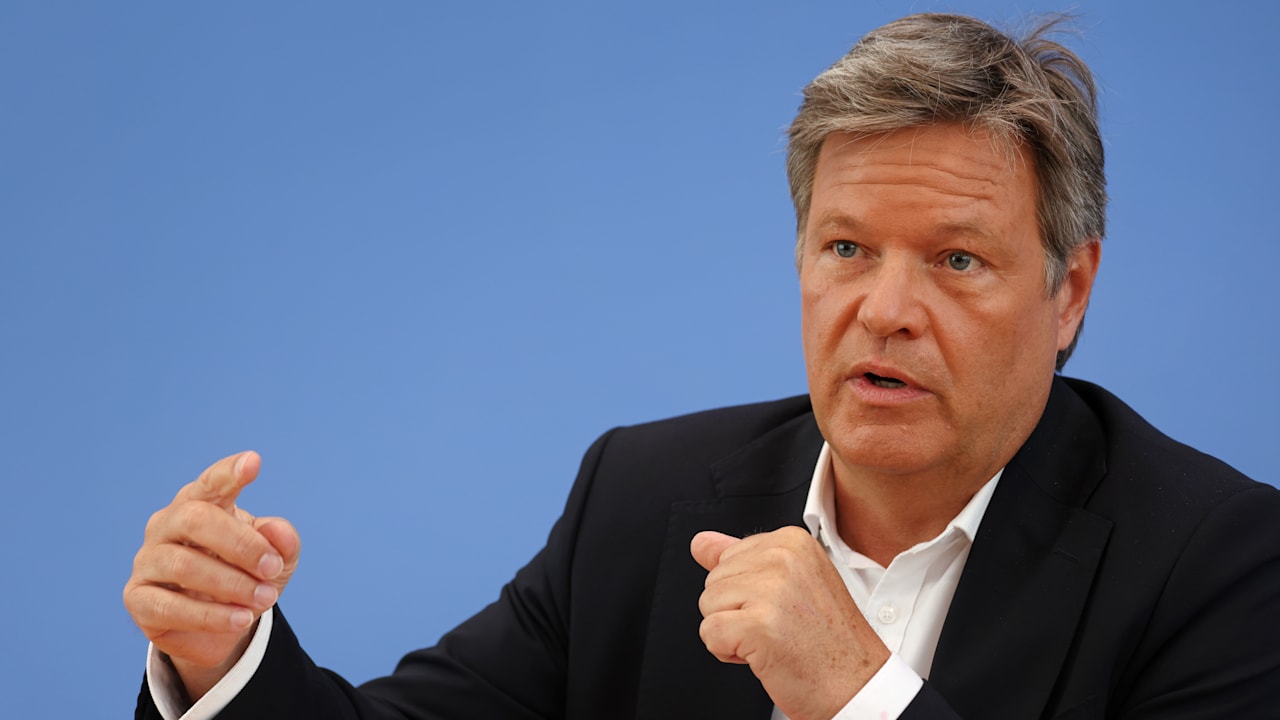
Robert Habeck’s New Chapter: A Role at an Elite U.S. University
In an unexpected turn of events that has captured headlines and public interest, former German Vice Chancellor Robert Habeck has secured a new position as a guest lecturer at a prestigious university in the United States, specifically at the University of California, Berkeley. This announcement arrives after Habeck’s tenure as Minister of Economic Affairs and Climate Action in Germany. His new role reflects both his expertise and the growing interconnection between European and American political landscapes.
The Significance of This Appointment
Habeck’s shift to an academic role is significant for several reasons. Firstly, it serves as a testament to his respected status in global political circles, especially regarding climate policy and sustainability. While in office, his policies were groundbreaking, and he played a crucial role in Germany’s transition towards renewable energy.
Moreover, this opportunity positions Habeck to influence young minds at one of the top-ranked universities in the world. The University of California, Berkeley is renowned for its commitment to progressive thought and innovation, particularly in the fields of environmental science and public policy.
Background on Robert Habeck
Before stepping into the academic world, Habeck had a robust career in politics. A member of the Green Party, he was instrumental in pushing Germany towards a greener future. His tenure saw aggressive targets for reducing greenhouse gas emissions, transitioning to renewable energy sources, and promoting sustainable economic practices. These initiatives garnered both praise and criticism, highlighting the complexities of modern governance.
Having studied philosophy, literature, and political science, Habeck’s academic background complements his professional experience. This combination equips him with a broader perspective on policy-making and its implications for society, rendering him an asset to the academic community at Berkeley.
The Impact on U.S.-Germany Relations
Habeck’s appointment at an American university also symbolizes the continued collaboration between the U.S. and Germany, particularly in the realms of climate action and sustainability. His expertise could play a pivotal role in fostering transatlantic discussions on these pressing issues. As both countries grapple with climate change, energy crises, and international political tensions, Habeck’s insights could pave the way for collaborative solutions that benefit both nations.
A Growing Trend Among Politicians
This trend of transitioning from political roles to academic positions is not unique to Habeck. Other European politicians, such as Joschka Fischer, have previously made similar moves, often citing the need for intellectual engagement and reflection on policy matters as motivating factors. For politicians, academia offers a platform to engage with fresh ideas and influence the next generation of leaders.
Challenges Ahead
While the prospect of his new role is promising, it is crucial to recognize the challenges that come with this transition. Moving from a high-pressure political environment to the relatively insulated world of academia can be complex. Additionally, Habeck will need to navigate academic expectations while maintaining his influence on contemporary political issues.
His presence at Berkeley may also invite scrutiny, especially given the polarized nature of contemporary politics. He may find himself needing to balance academic freedom with the sensitivities of today’s political climate, both in the U.S. and Europe.
The Role of Education in Politics
Habeck’s new position reinforces the idea that education plays a significant role in shaping political discourse. With issues such as climate change and social justice at the forefront of global discussions, the importance of fostering informed citizens cannot be overstated. Academic institutions like Berkeley serve as incubators for innovative thought and action, creating an environment where the next generation can challenge existing norms and pursue sustainable pathways forward.
Conclusion
Robert Habeck’s new position as a guest lecturer at the University of California, Berkeley, marks a noteworthy chapter in his illustrious career. This role not only allows him to share his rich experience and insights with eager students but also reflects the interconnectedness of global political efforts in addressing climate change. As he embarks on this new journey, both Habeck and the university community stand to benefit from the exchange of ideas that lay the groundwork for future initiatives. The potential for cross-national collaboration stands high, and it remains to be seen how his academic contributions will shape discussions on sustainability and governance in the years to come.