
Current Scandals in Turkey: Food Safety and Consumer Trust Under Fire
Recent scandals in Turkey have raised serious questions about food safety and the integrity of local businesses. From misleading labeling to inadequate food quality, the trust that consumers place in their food sources is being severely tested. Let’s explore some of the most shocking incidents that have emerged recently, particularly in Antalya, which has become a focal point of public outrage.
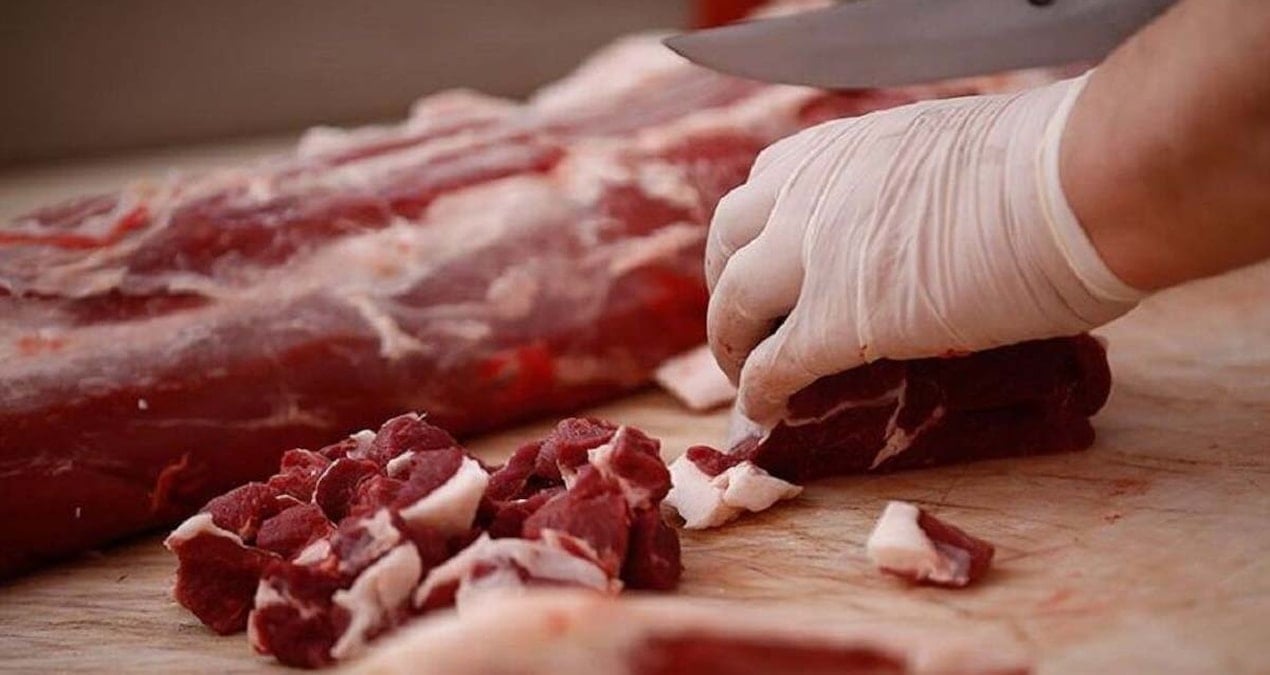
One of the most discussed topics is the discovery of a local meat vendor that allegedly sold meat labeled as "extra quality" when in fact, it was highly questionable in quality. This unethical practice has left many residents outraged, questioning whether what they consume is indeed what they pay for. Authorities have launched investigations and promised to crack down on similar malpractice in the future.
Antalya’s situation worsened when reports emerged that two local establishments were serving fake meat under the guise of premium quality products. This revelation ignited public furor, prompting numerous diners to avoid restaurants in the area altogether. Customers demand transparency and assurance that their food is safe to consume. Many fear they could become victims of a broader scheme targeting unsuspecting citizens seeking a good meal.
Government Intervention: Disclosure of Unsafe Products
In response to growing concerns, the Turkish Ministry of Agriculture has taken steps to disclose additional products that may not meet safety standards. A recent announcement listed various items, including pastries and processed meats, which have been flagged for containing substandard ingredients. With accusations flying, both consumers and retailers are on alert.
The Ministry’s proactive approach seeks to enlighten the public about potential dangers lurking in their favorite snacks. People are warned to avoid certain products that may include filler ingredients or even food that has been past its expiration. This lack of quality assurance puts pressure on consumers who previously felt they could trust local vendors.
Scandal in the Local Butcher Shop
Among the most shocking incidents is a scandal that erupted in a popular butcher shop within Antalya. This establishment, known for its reputed quality, was found to engage in deceptive practices, which has left the community in disbelief. Customers were initially captivated by the shop’s offerings, only to later discover they had been sold products with questionable origins and safety.
This incident has not just damaged the trust between the butcher and its loyal customers; it has repercussions for all local butchers. Consumer panic has led to many patronizing larger grocery chains or even opting for online shopping, seeking alternatives they perceive to be more reliable. The sentiment is clear: if locals can’t trust their traditional vendors, they will seek their needs elsewhere.
The Role of Social Media in Highlighting Food Safety Issues
In today’s digital age, social media plays a crucial role in sharing information about food quality and safety. Many locals have taken to platforms like Twitter and Instagram to voice their concerns, share experiences, and alert others about potentially unsafe products. The power of a single post can ignite a movement, showcasing how deeply the community cares about food safety.
These platforms have become tools for community engagement, influencing public opinion and calling for accountability. With so many people actively sharing their unsettling experiences, businesses are increasingly feeling the pressure to maintain high standards. Failure to do so could lead to a rapid decline in patronage—an outcome no establishment can afford.
The Future of Food Standards in Turkey
As consumer trust wanes, the future of food standards in Turkey looks uncertain. Increased scrutiny from the government and the public demands immediate action from vendors to restore faith in local food sources. The Ministry’s interventions, along with consumer education, will be essential in combating dishonest practices that threaten public health.
Restaurants and grocery stores must work diligently to ensure transparency in their sourcing and to provide clear, honest labeling of their products. Only through a commitment to accountability can they hope to regain the trust of their community.
As the situation continues to unfold, it is clear that consumer vigilance will be paramount. Communities must band together to hold their local establishments accountable, ensuring that the ethical consumption of food becomes the norm, not the exception. With increasing awareness and engagement, together, they can foster a food environment that emphasizes quality, integrity, and trust.