
| IN BRIEF |
|
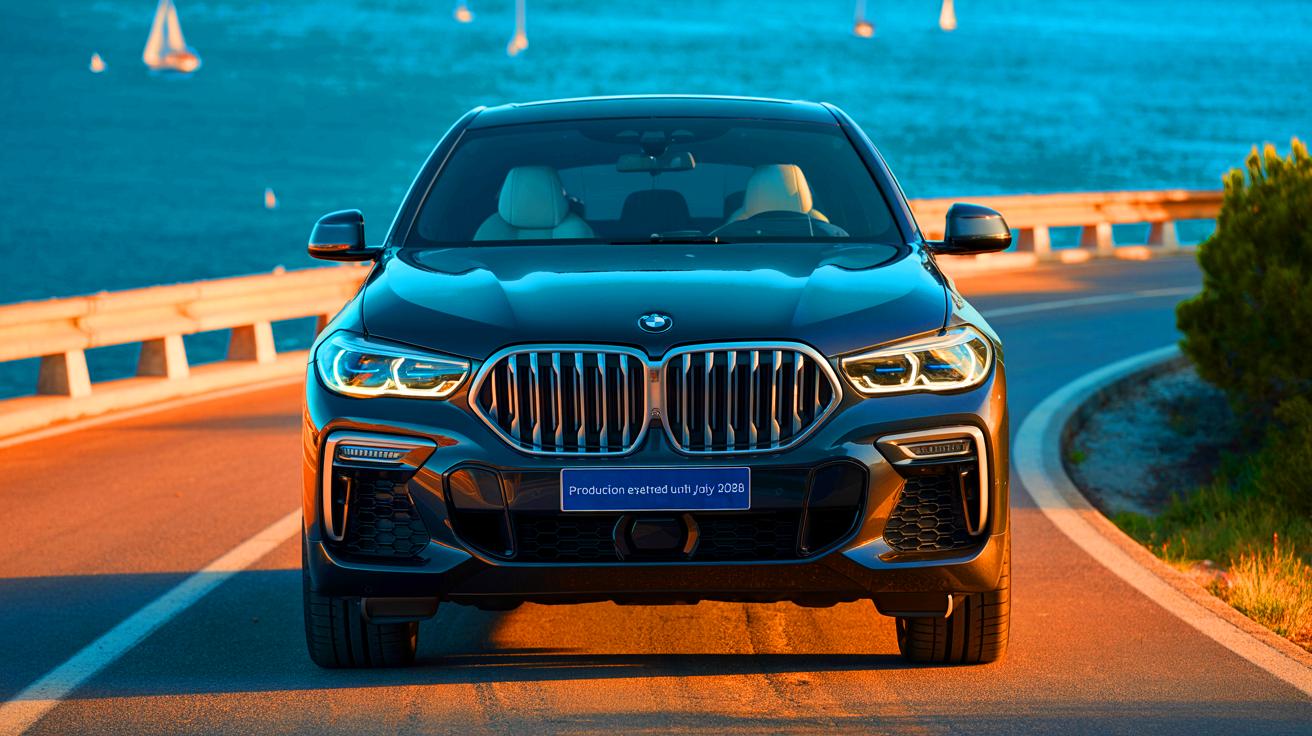
The BMW X6 continues to capture the attention of car enthusiasts with its distinctive design and impressive performance. As the current model, the G06, remains in production until 2028, new information is emerging about its future and that of its successors. This unexpected extension raises questions about BMW’s strategies in response to the shifting automotive market and new environmental regulations. Through an analysis of forecasts and upcoming changes, we will explore what this means for consumers and the automotive sector.
The Future of the BMW X6: An Unexpected Extension
BMW’s decision to extend the production of the X6 G06 until 2028 reflects an intriguing strategy from the German automaker. Initially, the current model was set to be replaced earlier, but BMW seems to have opted to keep its flagship model on the market longer. This extension of production may be linked to the continued popularity of the model, especially in key markets. The X6 is appreciated for its aggressive design and robust performance, attracting many drivers.
Interestingly, this decision comes at a time when environmental regulations are becoming increasingly stringent, particularly in Europe. BMW appears to aim to maximize the profitability of its current model before introducing its successor, the G66. This strategy allows BMW to respond to ongoing demand while preparing for a more electrified future.
Global Production and Regional Impact
The production of the BMW X6 G06 will continue at the Spartanburg plant in South Carolina until mid-2028 for global markets. However, for the United States, production will stop in December 2027. This differentiation in production schedule highlights the importance of international markets for BMW and reflects regional variations in demand and regulation.
The Spartanburg plant is a hub for BMW, producing a large portion of its SUV vehicles. The continuation of production for other markets until July 2028 may be seen as a strategy to maintain a stable supply while preparing for the arrival of new models, including electric variants. *This approach illustrates the need to balance technological innovation with continuous supply*.
Transition to Electric: The Role of the iX6
Looking ahead, the successor to the X6, known as the G66, promises a major evolution with the introduction of an electric version, the iX6. While the current model does not offer plug-in hybrid options, the upcoming iX6 on the CLAR platform marks a significant step towards electrifying the lineup. This strategy demonstrates BMW’s commitment to adapting to new market demands while preserving the sporty DNA of the brand.
The introduction of the iX6 could offer consumers a more ecological alternative while maintaining the performance that the X6 is known for. This evolution reflects a broader trend in the automotive industry where manufacturers are increasingly integrating electric solutions to respond to the growing demand for sustainable and low-emission vehicles.
Engine Options: Between Tradition and Innovation
Although the current X6 will not undergo major changes before its retirement, the available engine options remain a topic of discussion. In the United States, the iconic V8 is expected to continue for the future X6, providing fans of powerful motors with a welcome continuity. However, in Europe, stricter environmental regulations could limit this option, hence highlighting a shift toward greener alternatives.
The summary below outlines the engine options for the BMW X6:
| Market | Available Engine |
|---|---|
| United States | V8 and electric models |
| Europe | Electric models and potentially smaller gasoline engines |
This diversity of options shows BMW’s commitment to satisfying various market segments while aligning with global environmental trends.
The extension of the production of the BMW X6 G06 until 2028 and the introduction of new electric variants reflect the complexities of strategic decisions in today’s automotive industry. As BMW navigates between tradition and innovation, the challenges and opportunities for consumers and the manufacturer in the coming years will be closely monitored.