
| IN BRIEF |
|
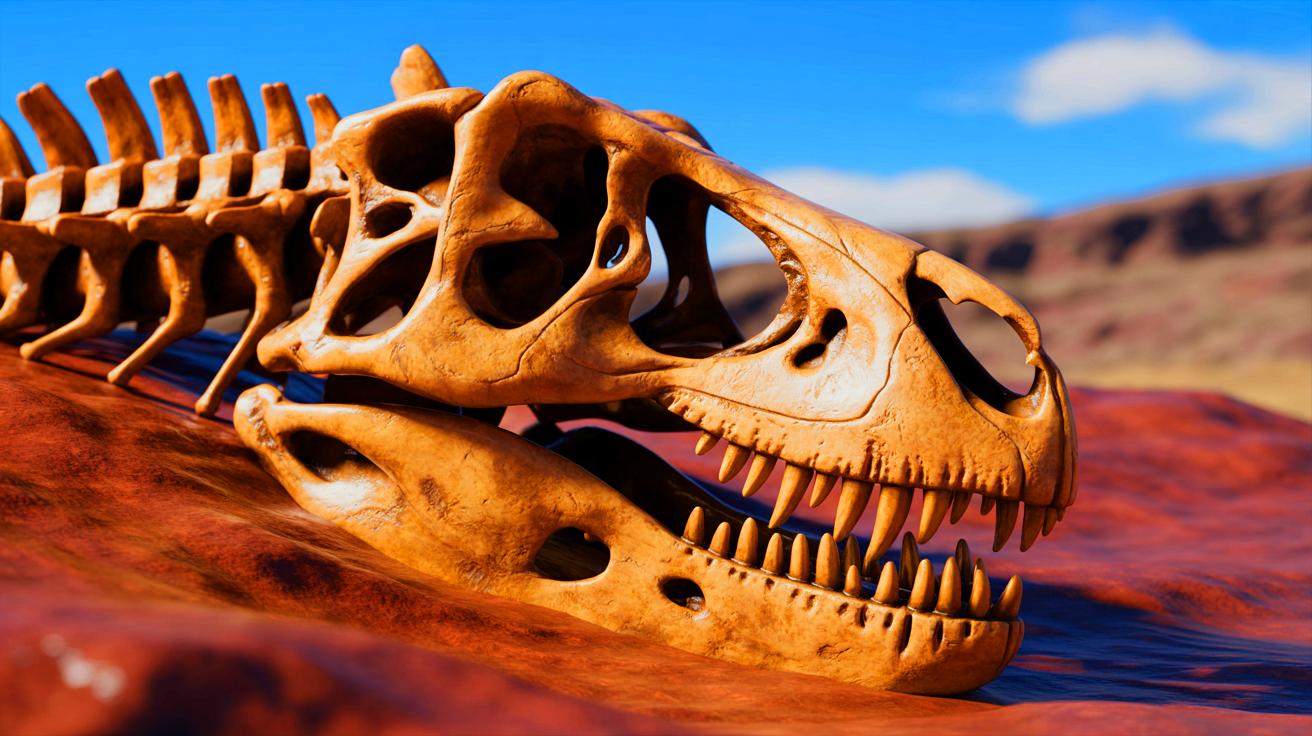
The discovery of an exceptionally well-preserved stegosaurus skull in Spain offers a unique opportunity to deepen our understanding of these fascinating dinosaurs. Researchers from the Fundación Conjunto Paleontológico de Teruel-Dinópolis studied this skull, belonging to the species Dacentrurus armatus, revealing unprecedented aspects of its anatomy. This discovery, made at the fossil site of Están de Colón within Late Jurassic sediments, sheds light on the evolution of these astonishing creatures. How could a skull, dating back 150 million years, be so well-preserved, and what implications does this have for modern paleontology?
The Stegosaurus: An Iconic Dinosaur
Stegosaurs, these massive herbivores adorned with plates and spikes, dominated the Late Jurassic. Their unique appearance, featuring two rows of large bony plates extending along their backs, has long intrigued scientists. The reasons behind these distinctive features remain a topic of debate. Some suggest they served for defense, while others believe they played a role in species recognition or body temperature regulation.
The discovery in Spain is particularly valuable because dinosaur skulls are rarely well-preserved. They often get damaged, their thin, delicate structures being vulnerable during decomposition and fossilization. This skull provides crucial insights into the anatomy of stegosaurs and allows researchers to establish connections between different species.
A Major Scientific Advancement
The discovery of this Dacentrurus armatus skull marks a significant advancement in paleontology. According to Sergio Sánchez Fenollosa, co-author of the study, this research has unveiled previously unknown aspects of the anatomy of this iconic European stegosaur. In 2025, it will be 150 years since this species was first described, and this discovery further cements its historic status.
Additionally, researchers have proposed the creation of a new group, Neostegosauria , based on the unique characteristics observed in this fossil. This group could represent a distinct evolutionary lineage within the stegosaurs, paving the way for new research on dinosaur evolution.
The Están de Colón Site: A Paleontological Treasure
The Están de Colón fossil site, located within the Villar del Arzobispo formation, is known for its sediments dating back to the Late Jurassic. This site has already yielded numerous fossils, but this discovery of one of the most complete stegosaur skulls in European history is unprecedented.
The unique preservation conditions of this site allowed for remarkable anatomical details to be preserved. This information is crucial for understanding how stegosaurs evolved and interacted with their environment. Researchers hope that more discoveries will follow, enriching our understanding of this fascinating period in the Earth’s history.
Implications for the Future of Paleontology
This discovery is not limited to enriching our knowledge of stegosaurs. It also illustrates the importance of preserving fossil sites and ongoing research. These excavations allow not only for an understanding of past evolution but may also offer insights into the future evolution of species.
By illuminating the anatomy and evolution of stegosaurs, this research paves the way for new theories about the interaction between dinosaurs and their environment. What other secrets could these fossil sites still hold, and how might they transform our understanding of the history of life on Earth?
The author leveraged artificial intelligence to enhance this article.