
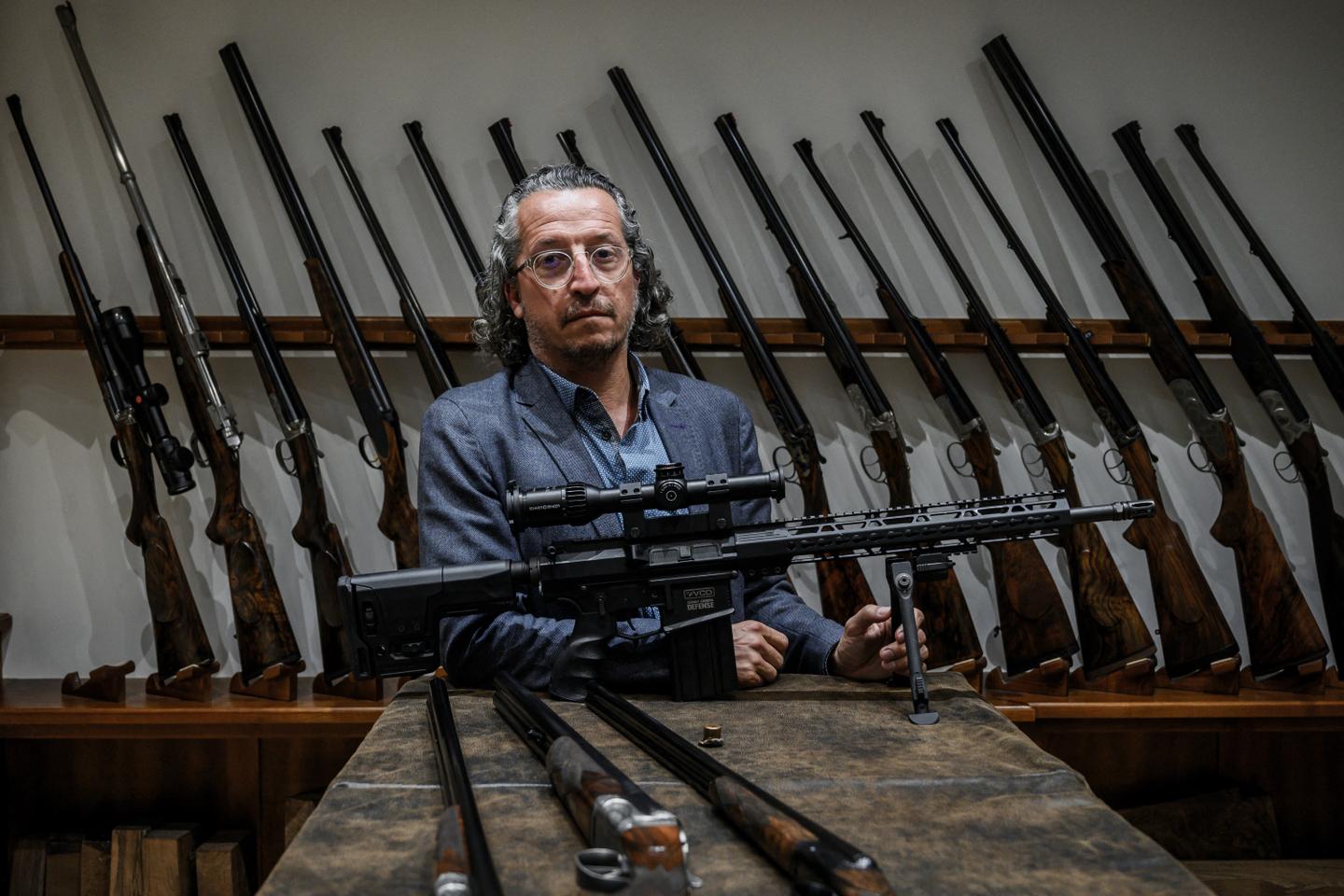
Rivolier Acquires French Arms Manufacturer Verney-Carron Amidst Judicial Restructuring
In a significant development for the French arms industry, Arnaud Van Robais, the resolute CEO of the family-owned Rivolier Group, has successfully acquired Verney-Carron. On June 4, the Commercial Court of Saint-Etienne entrusted Van Robais with the revival of Verney-Carron, the last remaining manufacturer of small-caliber weapons in France, which had been under judicial recovery since February.
This acquisition marks a turning point following a failed attempt in 2022, when the Commercial Court opted for an acquisition proposal from Cybergun instead of Rivolier’s bid. Historically, Van Robais also struggled to persuade the Verney-Carron family to merge their operations with Rivolier, both of which have roots in the early 19th century, particularly in the Saint-Etienne region, a historic hub for weapon manufacturing.
The History and Significance of the Acquisition
Van Robais remarked, “This acquisition solidifies the longstanding ties between the two companies.” Notably, in 1995, Rivolier and Verney-Carron collaborated to secure a contract for the Flash-Ball, a defense launcher made for the Ministry of the Interior, though they lost this contract in 2019. Despite this setback, the Flash-Ball continues to be sold to municipal police forces. Moreover, Rivolier and Verney-Carron signed a contract in 2024 to supply 3,000 Cobra defense ball launchers for law enforcement. However, due to financial constraints, Verney-Carron was unable to continue production—a situation Van Robais promptly addressed as production resumed on June 5.
To facilitate this revival, Rivolier is committing €2 million to reestablish the manufacturing capabilities at Verney-Carron. Of the 67 employees at the arms factory, 55 will retain their positions under the new ownership.
The Court’s Decision and Strategic Considerations
The Commercial Court highlighted Rivolier’s profound understanding of Verney-Carron and noted their outstanding orders awaiting production. This knowledge greatly influenced their decision, as they sought to retain not just the patrimony, expertise, and brands associated with Verney-Carron, but also the jobs within the critically important arms sector, particularly in the domains of hunting and defense.
This dedication to maintaining local employment and expertise played a crucial role in Rivolier’s successful bid, which outperformed an offer from the Belgian FN Browning Group, a contender initially favored due to its size and resources. In 2024, Rivolier reported a turnover of €131 million with 280 employees, while its Belgian counterpart boasted impressive figures of €934 million in sales with 3,100 employees.
Implications for the French Arms Industry
This acquisition could have far-reaching implications for the French arms industry, specifically in the realm of strategic sovereignty. The preservation of Verney-Carron under French ownership ensures that vital manufacturing capabilities remain within the country. As the global landscape for arms manufacturing continues to evolve, maintaining control over production lines becomes increasingly crucial, particularly in military and law enforcement sectors.
Moreover, Rivolier’s acquisition of Verney-Carron is seen as a step toward reinforcing the national defense industry in France, safeguarding both local jobs and traditional craftsmanship in weapon manufacturing. The merger could also foster innovation through shared technologies and resources, potentially leading to the development of new products suited for modern defense needs.
In terms of economic impact, the revitalization of Verney-Carron is expected to contribute positively to the local economy in Saint-Etienne, a region with a rich history in arms manufacturing. The influx of investments, alongside the preservation of jobs, will likely benefit the community, allowing for sustained economic activity in an area historically tied to the arms trade.
Importantly, this acquisition comes at a time when global tensions and demands for advanced armament are on the rise. Ensuring that French manufacturers like Verney-Carron remain operational and competitive is essential in fulfilling national defense strategies and commitments.
In conclusion, Arnaud Van Robais’s acquisition of Verney-Carron not only highlights the significance of local manufacturing in France but also demonstrates a commitment to preserving heritage while innovating for the future. As production resumes and investments flow into Verney-Carron, this acquisition serves as a testament to the resilience and strategic foresight of the Rivolier Group, firmly anchoring its influence in the French arms industry.