
The Chikungunya Epidemic in La Réunion: An Overview
The chikungunya virus has made significant waves in recent months, particularly in La Réunion, an island located in the Indian Ocean. As of June 2025, the situation has become increasingly alarming, with public health officials reporting that five new deaths have been linked to the virus, bringing the total to twenty fatalities since the outbreak began. This recent spike in mortality has ignited discussions about the virus’s health implications, despite assurances that the epidemic is "in a phase of decline."
The Current Health Situation
According to Santé publique France (SPF), the latest bulletin released indicates that La Réunion has been experiencing a decline in epidemic activity since late April. "After the most recent meeting of the accountability committee, these five cases have been classified as deaths attributable to chikungunya," announced SPF. This assurance should provide some comfort as health experts observe a trend toward lower infection rates.
In a corresponding statement, the prefecture of La Réunion noted a return to a ‘low-intensity epidemic stage’, signifying a notable decrease in the number of consultations for chikungunya-related symptoms and emergency visits. The prefecture observed a considerable decline in health facility impacts, indicating that the health system is beginning to recover from the initial strains caused by the outbreak.
Details of the Deaths
The five recent fatalities occurred between March 31 and May 11. All the individuals were elderly, aged between 68 and 95, and had pre-existing health conditions that may have contributed to their vulnerability. SPF has also reported that there are 37 additional deaths currently under investigation to ascertain their linkage to chikungunya.
Despite the emergence of these five new cases, the overall trend indicates that La Réunion is experiencing a sustained decline in infections. The number of chikungunya cases in the region has significantly decreased, although the virus remains prevalent across various sectors of the island.
Recent Statistics
The extent of the outbreak in La Réunion has been staggering. As of June 2025, approximately 53,000 cases of chikungunya have been confirmed biologically within a population of around 900,000 residents. However, this figure is likely understated. The Agence régionale de santé (ARS) of La Réunion estimates that as many as 200,000 individuals may have been infected, many of whom did not seek medical testing.
Recent data indicates that consultations for chikungunya in medical practices have fallen by 55% over a week, from 3,800 consultations down to around 1,800. Emergency room visits related to the virus are down by 15%, a promising sign that the region may be moving toward stabilizing its healthcare dynamics.
Future Outlook
Looking ahead, public health experts are optimistic. The upcoming austral winter is anticipated to precipitate a longer-term decline in the virus’s transmission. As people in La Réunion become increasingly immune to the virus, many believe that the chances of a resurgence in chikungunya cases next year are slim.
It’s important to note that Mayotte, another French territory in the Indian Ocean, has experienced a contrasting situation, moving into a phase of intense and widespread epidemic this week. Reports indicate that 560 confirmed cases have surfaced since the beginning of 2025. The heightened transmission in Mayotte serves as a reminder that vigilance and preventive measures remain critical across the region.
Preventive Measures and Awareness
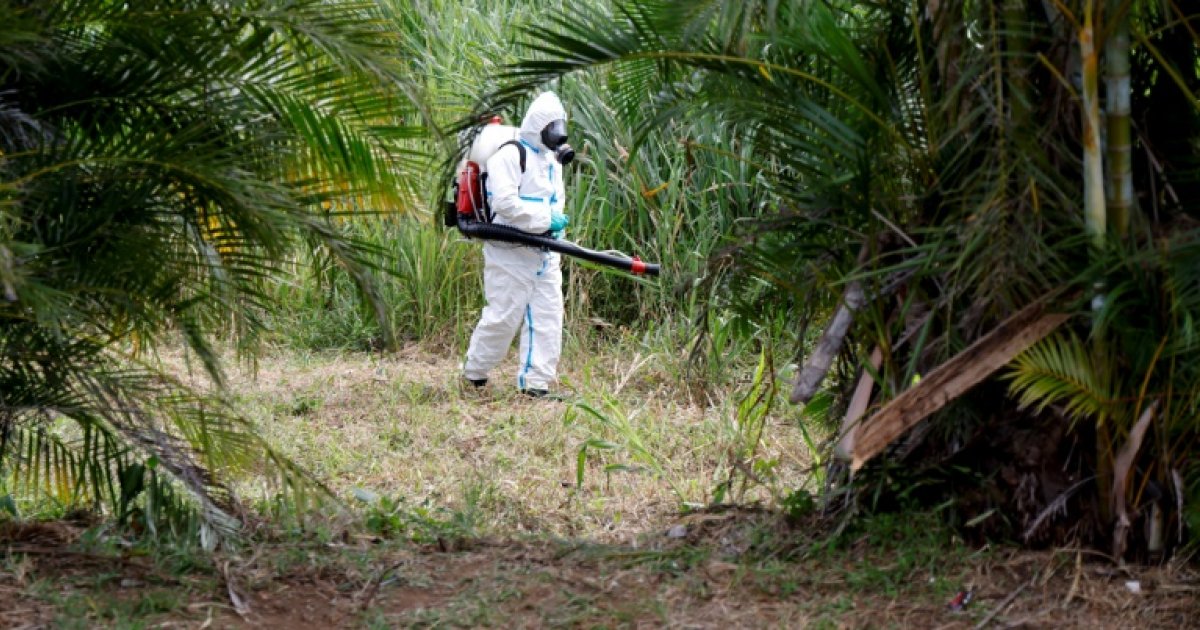
Given the volatility and potential life-threatening nature of chikungunya, community awareness is paramount. Public health authorities are recommending vector control measures, including the elimination of standing water where mosquitoes breed and the use of mosquito repellents to minimize exposure. In addition to health-centric campaigns, citizens are urged to be alert for symptoms such as high fever, joint pain, and generalized malaise.
Every citizen plays a vital role in curtailing the spread of this infectious disease. The situation is evolving, and the community response can either mitigate or exacerbate the effects of chikungunya. As we navigate through this challenging time, collaboration among health authorities, local governments, and residents is essential for ensuring a healthier future.
Though the current trajectory shows a decline in cases, continued diligence in monitoring and responding to chikungunya is vital. As regional health authorities assess ongoing risks and preventive strategies, it is crucial that individuals remain informed and engaged in their health and safety protocols.
As the chikungunya landscape fluctuates, La Réunion stands at a pivotal point in its battle against this viral menace, balancing hope with caution for the future ahead.