
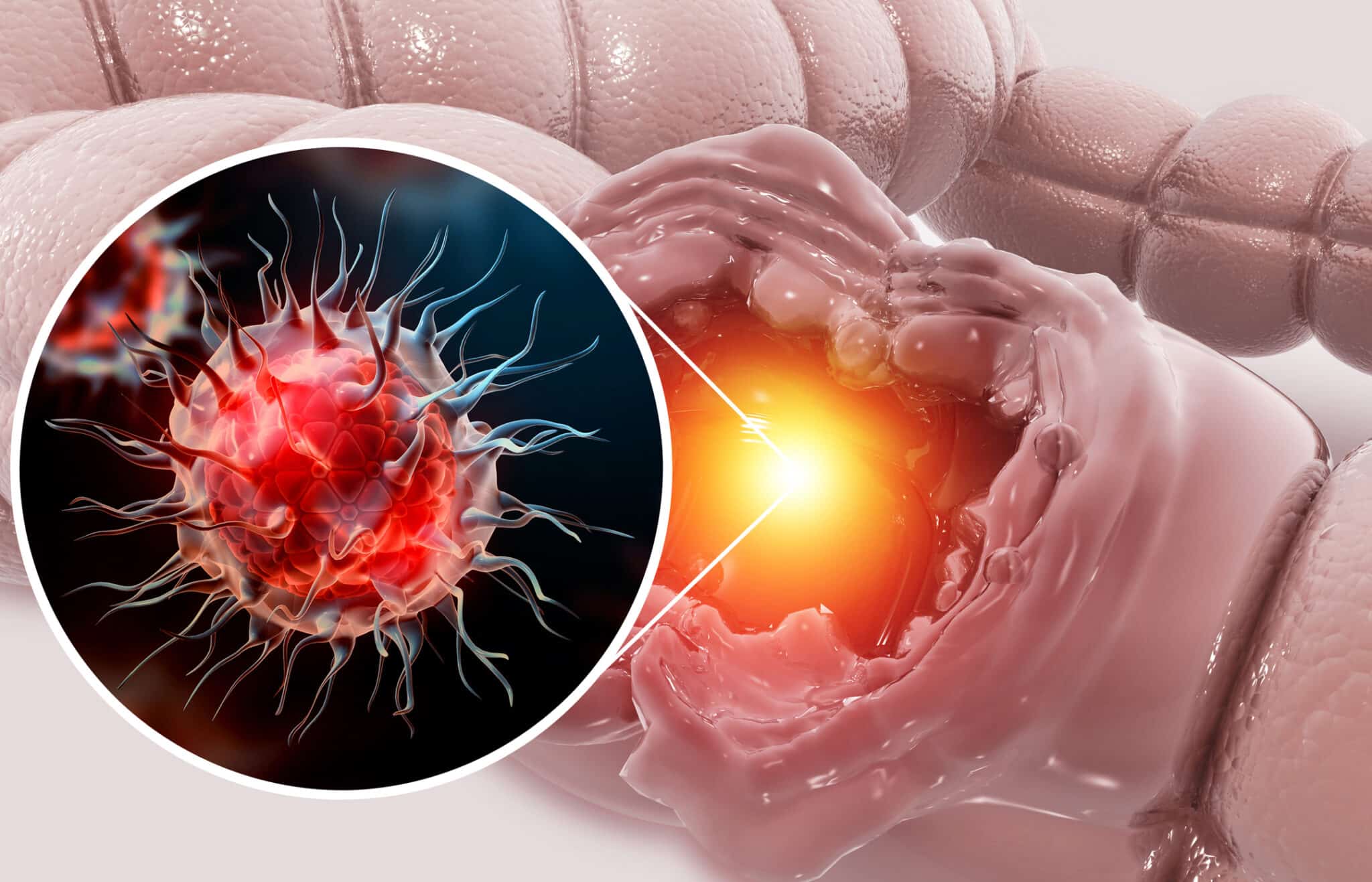
In recent years, the battle against cancer has taken exciting turns, uncovering the complex mechanisms at play within our very own biology . A recent groundbreaking study conducted by an international team led by Linköping University in Sweden has revealed a surprising connection between cancer cells and the processes used during embryonic development . This research sheds light on how colorectal cancer (CRC) cells tap into pathways typically reserved for growth during the early stages of life, presenting new possibilities for targeted therapies.
Understanding the Tumoral Mechanism
According to Professor Claudio Cantù , a leading biologist in the study, “ Cancer cells are not innovating ; rather, they are misusing established processes within the body.” One of the primary mechanisms involved in embryonic development is the Wnt signaling pathway . This pathway plays a crucial role in cell communication, dictating when cells should divide , differentiate , or migrate . Essentially, the Wnt signaling pathway is vital for transforming a single cell into a fully developed organism, consisting of billions of organized cells.
However, the Wnt pathway has a darker side. In approximately 80% of colorectal cancer cases, this pathway becomes hyperactivated, causing cells to lose control and divide endlessly. The challenge lies in the fact that this same Wnt pathway is essential for normal stem cells , particularly those in the intestines that require constant regeneration. Consequently, targeting Wnt signaling to eliminate cancer cells risks damaging the patient’s healthy cells and immune system.
TBX3: A Double-Edged Sword
The newly unveiled mechanism comes into play with the identification of a key partner of the Wnt pathway — the TBX3 protein. Known for its role in the formation of limbs and the heart during embryogenesis, TBX3 is usually inactive in adult tissues. However, researchers have found that this protein is reactivated in colorectal tumor cells , where it collaborates with Wnt to trigger genes that promote cancer cell dissemination .
This activation renders tumors more mobile , invasive , and consequently more likely to result in metastasis . As Cantù notes, blocking TBX3 might provide a path to slowing or stopping the spread of cancer cells while preserving healthy tissue, as normal intestinal stem cells do not depend on TBX3 for their function.
A Promising Target for Therapy
The significance of these findings is immense. “ Our results indicate that TBX3 functions as a lever uniquely activated by cancer cells ,” Cantù explains, emphasizing the potential for targeted therapies that could spare normal organs from damage. This knowledge brings us a step closer to developing treatments that are not only more efficient in combating colorectal cancer but also significantly less toxic compared to traditional methods.
Bridging Development and Oncology
This research exemplifies the thin line between developmental biology and oncology . It illustrates how biological processes intended to create and sustain life can, in different contexts, be hijacked to fuel disease. While this idea is not entirely new, its implications have gained unprecedented significance in the field of cancer treatment.
The cooperation between Wnt and TBX3 appears to be a universal mechanism present across species, from dinosaurs to humans, reminding us that even in the face of cancer, biology often reuses its own codes . Moving forward, understanding this interplay will be essential in devising future treatment strategies.
A Future Without Metastasis?
As research progresses, the next steps will focus on devising specific medications that can effectively block TBX3 in tumor cells without harming healthy tissues. Achieving this could offer a substantial leap towards safer , targeted , and potentially curative solutions against colorectal cancer, a leading cause of cancer-related mortality worldwide. By tapping into the very mechanisms that have allowed life to flourish, we may find innovative ways to combat one of our most formidable adversaries.