
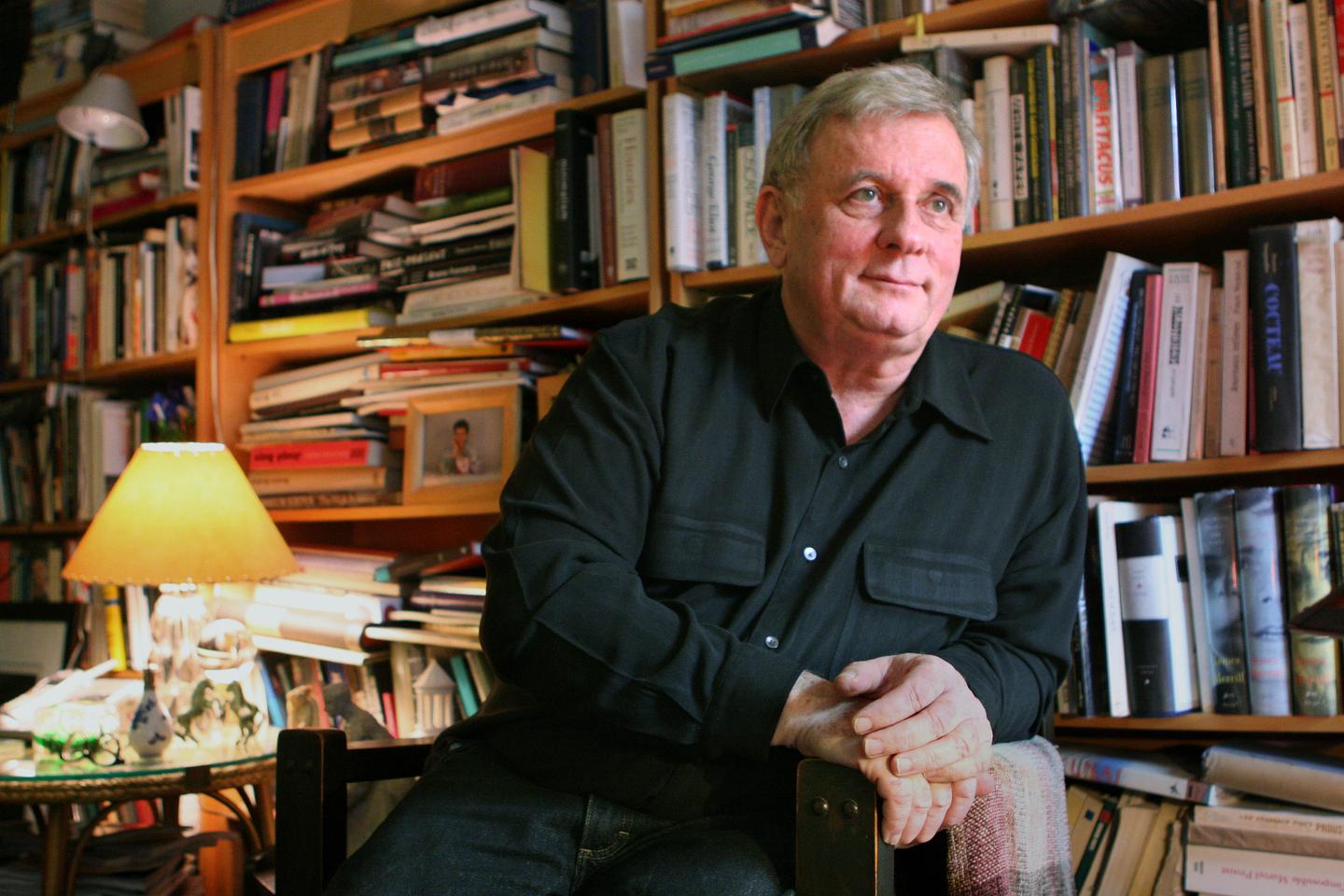
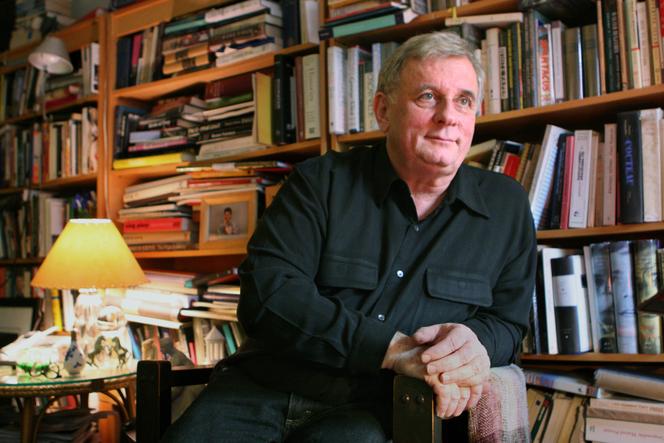
Edmund White, a towering figure in LGBT literature , has passed away at the age of 85. His literary journey, deeply intertwined with the exploration of homosexuality , has paved the way for generations of writers. His agent, Bill Clegg, confirmed that White died of natural causes in his New York home on June 4.
Born on January 13, 1940, in Cincinnati, Ohio, White authored numerous novels, essays, short stories, and biographies. Throughout his extensive career , he drew from his own experiences, weaving tales around gay identities and the quest for sexual freedom. His debut novel, *Forget Elena*, published in 1973, received acclaim and marked the beginning of a prolific writing career.
White’s works include *The Joy of Gay Sex* (1977), a pioneering manual on gay sexuality co-written with his psychotherapist, which has become a landmark reference in the LGBTQ+ community . He also penned novels such as *Nocturnes for the King of Naples* (1978) and *The Married Man* (2000). His most celebrated novel, *A Boy’s Own Story* (1982), is the first of a trilogy reflecting his life, followed by *The Beautiful Room Is Empty* (1988) and *The Farewell Symphony* (1997).
The Impact of White’s Literature
A Francophile , White lived in France from 1983 to 1990, befriending intellectuals like Michel Foucault and enriching his appreciation for French literature. In 1993, he published a biography of Jean Genet , which earned him the prestigious Pulitzer Prize the following year. His literary repertoire also includes explorations of iconic figures like Marcel Proust and Arthur Rimbaud .
Renowned author Joyce Carol Oates reacted to White’s passing, sharing heartfelt sentiments: “It is indeed sad news. There was no one like Edmund White! His versatility in style, bold and innovative subjects, and dark humor have touched many lives.” Similarly, French novelist Edouard Louis paid tribute on Instagram, highlighting White as an “incredible friend” who championed young writers. He remarked, “His books opened a new path for gay individuals worldwide. They granted us the right to exist and the right to be joyful.”
White distinctly noted the evolution of gay literature, stating, “Previous gay novels by Gore Vidal and Truman Capote were written for heterosexual readers. We envisioned a gay audience, and that made all the difference.” His educational background at Harvard led him to opt for the University of Michigan to remain close to his therapist, who misguidedly believed he could “cure” homosexuality, a complex element he later addressed in his writings.
Over the years, White’s literary success opened numerous doors in prestigious universities where he taught writing and queer literature . His marriage to fellow author Michael Carroll in 2013 marked a personal milestone. White lived with HIV since 1985 and faced significant health challenges, including several strokes and a heart attack in the 2010s.
Through his works, Edmund White not only showcased the complexities of the gay experience but also established a literary legacy that will inspire future generations. His voice resonated deeply within the LGBTQ+ community , and his contributions remain pivotal for the ongoing dialogue surrounding sexuality , identity, and the human experience. His passing is not just a loss for literature but for anyone who believes in the intrinsic value of sharing our stories and experiences.