
A Controversial Debate on Asylum Policies: Insights from Interior Minister Alexander Dobrindt
In a recent TV interview with Sandra Maischberger, German Interior Minister Alexander Dobrindt shed light on the intricate issue of asylum policies in Germany, particularly focusing on a dispute involving the rejection of three asylum seekers from Somalia. The matter has evoked considerable debate and led to unexpected revelations about the asylum process and legal complications surrounding it.
Jetzt spricht der Innenminister! Im Streit um die Zurückweisung dreier Asylbewerber, die aus Polen über Frankfurt/Oder einreisen wollten, hat Alexander Dobrindt (54, CSU) bei Sandra Maischberger (58) im TV neue Details vorgelegt. Dabei gab es eine Überraschung.
Dobrindt revealed that the three Somali individuals had previously applied for asylum in other EU member states. He pointed out that these individuals had a history of traveling through multiple EU countries, indicating they had numerous opportunities to submit asylum applications before their attempt to enter Germany.
Background of the Asylum Seekers
According to Dobrindt, the failed asylum seekers attempted to cross the border illegally on May 2. After being refused entry, they tried again a day later but were met with the same outcome. "On both occasions," he noted, "they did not submit an asylum request." The situation raises questions about the consistency of their claims and the timing of their intentions to seek asylum.
Dobrindt further emphasized the peculiarity of the situation: "At the time of their initial attempts, all individuals involved were adults. However, during their third attempt on May 9, one individual suddenly claimed to be a minor." This sudden change in their status brought an unexpected twist to the legal proceedings, leading Dobrindt to advocate for the country’s right to enforce border regulations effectively.
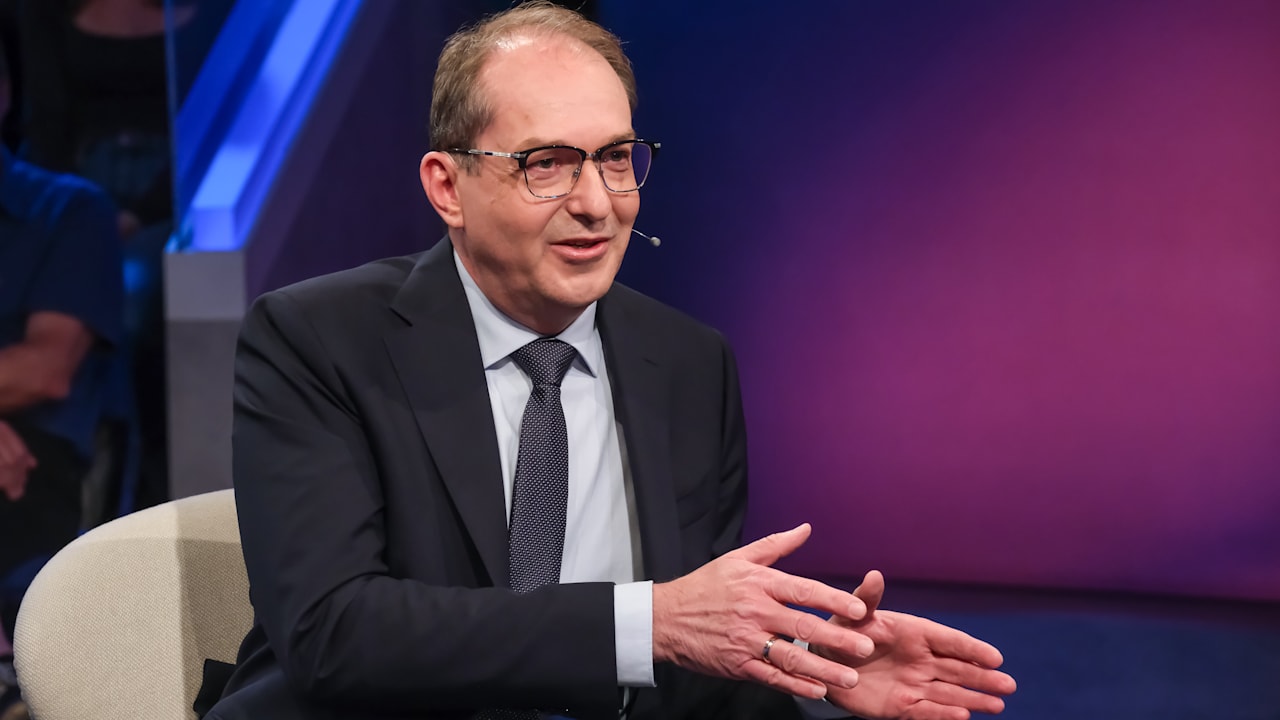
Verteidigt die Zurückweisung von drei Somalis an der Grenze: Innenminister Dobrindt mit Talk-Gastgeberin Sandra Maischberger
The developments sparked intense public discourse. A representative from the Pro Asyl organization provided support to the Somali woman, asserting her claim of being a minor. Family rights for minors are significantly protected under international law, raising further complexities for the German authorities.
Legal Implications and Court Decisions
The Interior Minister addressed a recent court ruling that stated, "We must assess which country is responsible for processing the asylum application." He recognized the administrative responsibility that lies with his office but emphasized that the court mandated compliance and a deepening of their legal rationale.
Dobrindt remarked, "The court has indicated that we are applying our national law while referencing an exception under European law. However, we have yet to provide sufficient justification, which must be substantially strengthened."
This scenario reflects the broader challenges that Germany faces regarding its asylum policies. With rising numbers of asylum seekers, Dobrindt believes that the overwhelming demands of integration and social support systems are becoming increasingly difficult to manage.
The Ongoing Asylum Crisis
Dobrindt expressed a sense of urgency regarding the conditions of integration within Germany. "This is evident in kindergartens, schools, and language courses. The communities are overwhelmed and struggling," he said. It’s clear that the system requires a robust foundation to adequately cater to the needs of current and future migrants.
His concerns are not only logistical but also strategic. He warned that without a coherent and humane approach to migration and asylum, political instability may arise. "We aim to build consensus in Europe regarding refugee policies. If we fail, the rise of populist movements is inevitable," he said, demonstrating the intricate connection between immigration policy and national unity.
In summary, the complexities surrounding Germany’s asylum policies reflect a tense intersection of legal frameworks, public sentiment, and humanitarian obligations. As the government navigates through this intricate landscape, it must streamline its processes to align with both European and international standards. Dobrindt’s statements underscore a balancing act between maintaining national security and addressing humanitarian needs.