
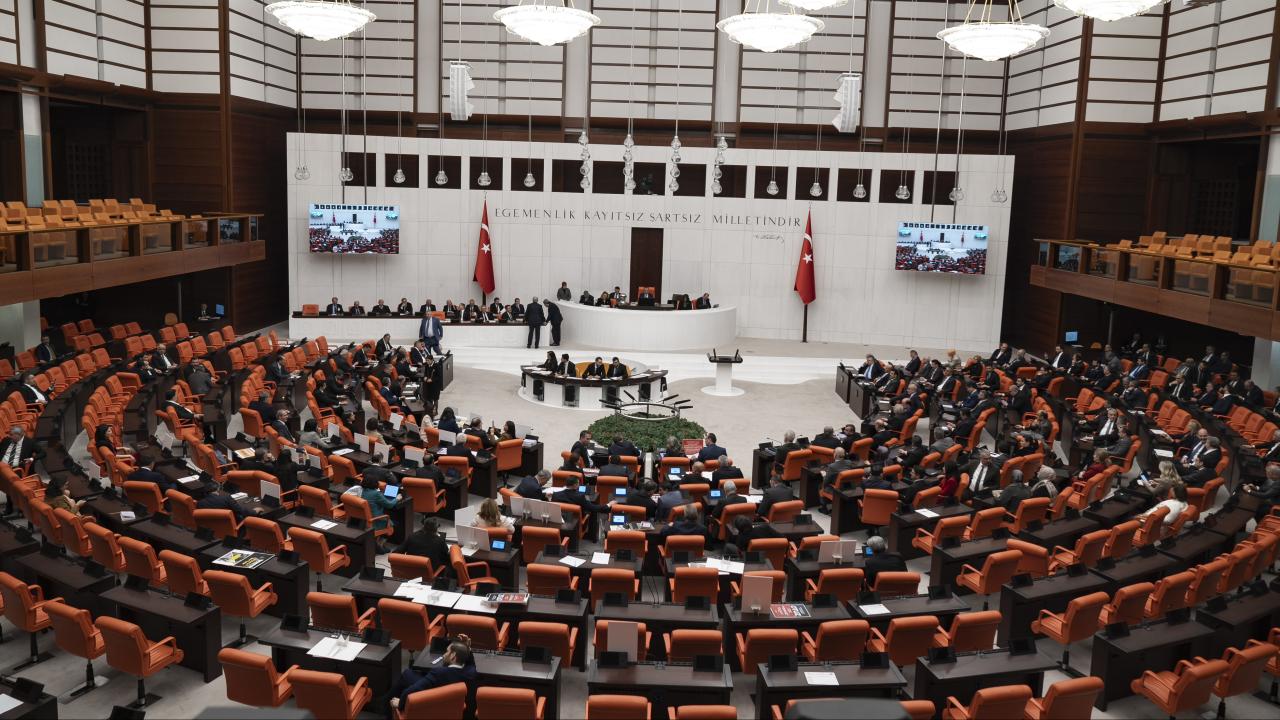
Recently, Turkey’s Grand National Assembly approved the “10th Judiciary Package.” This legislative reform aims to amend the Execution of Sentences and Security Measures Law and several related laws, incorporating changes based on decisions made by the Constitutional Court. The package simplifies and modernizes various legal procedures, enhancing the judiciary’s efficiency and effectiveness.
The package introduces significant amendments to the Enforcement and Bankruptcy Law . One of the major adjustments is that the monetary limits referenced when filing for appeals and review will now conform to the current economic conditions during the case’s initiation. Previously established monetary limits for the Court of Appeal decisions will no longer apply; only those valid at the time of the original judgment will be used.
Furthermore, alterations in the Notary Law pertain to disciplinary actions for notaries. Notaries must adhere strictly to their professional conduct . Failure to comply can result in various sanctions, including warnings, fines, or even removal from their profession. Each action will be evaluated for its severity, and disciplinary measures will be consistent with the gravity of the offense.
In addition to professional compliance, the law clarifies that any notary who receives a disciplinary penalty must comply with the rules for further infractions within a set timeframe. New violations within five years of a prior offense will incur a harsher penalty, demonstrating an increased emphasis on maintaining professional integrity among notaries.
Increased Sentences for Attempted Crimes and Assault
The amendments to the Turkish Penal Code reflect a stronger stance on crime deterrence. Specifically, penalties related to attempted crimes and intentional injury have been elevated. Instead of life sentences , perpetrators of attempted crimes will face prison terms ranging from 13 to 20 years, reflective of the effects of their actions . Those found guilty of serious assault will see the minimum prison sentences, previously set at one year, raised to a minimum of 1.5 years, illustrating a broader commitment to victim protection.
The legal reforms also successfully aim to escalate the severity of penalties concerning physical assaults, especially those affecting women. For instance, offenses where harm results in critical conditions, such as permanent injury or severe health impacts, will carry significantly increased sentences, sending a clear message about the state’s zero tolerance for violence.
Combating Threats and Enhancing Penalties
Another critical focus of the newly passed legislation is the offense of threatening behavior. Under the revised laws, threats that inflict substantial financial distress or other harm will attract minimum sentences of two months. If such threats are made through weapons or in collaboration with organized crimes, penalties can go as high as seven years in prison.
These amendments are part of a broader initiative to ensure that judicial responses to threats are proportionate and effective. The reform aims to enhance public safety by acting decisively against individuals who engage in intimidating conduct.
Stricter Traffic Regulations
Reflecting concerns over road safety, the latest bill has also instituted stricter penalties for transgressors of traffic safety laws . Individuals who operate various vehicles unsafely will face a minimum sentence elevated from three to four months. Notably, individuals driving under the influence of alcohol or drugs will encounter considerably harsher penalties, contributing to the ongoing efforts to safeguard public safety on the roads.
Furthermore, the legislation provides provisions for inmates in open prisons or juvenile correctional facilities to qualify for parole under specific conditions, notably if they have demonstrated good behavior.
The Role of the Judiciary
Various amendments underscore the pivotal role of the Judicial Council in maintaining the integrity and efficacy of the judiciary itself. For example, modifications resulting from the Constitutional Court’s rulings now stipulate that judges must follow stricter guidelines in handling job selections and appointments within the judiciary framework, removing any ambiguities previously surrounding these processes.
The Judicial Council is now empowered to ensure that vacancies in senior judicial positions are filled promptly, maintaining an uninterrupted chain of authority within the judiciary. Such measures aim to bolster public trust in judicial actions and decisions across Turkey.
After the approval of the “10th Judiciary Package”, the Speaker of the Assembly concluded the session, emphasizing the importance of these legislative changes to the foundation of Turkey’s legal framework. The reaffirmation of procedural justice aims to enhance the interactions individuals have with the law, thereby laying the groundwork for a more responsive and transparent legal environment.