
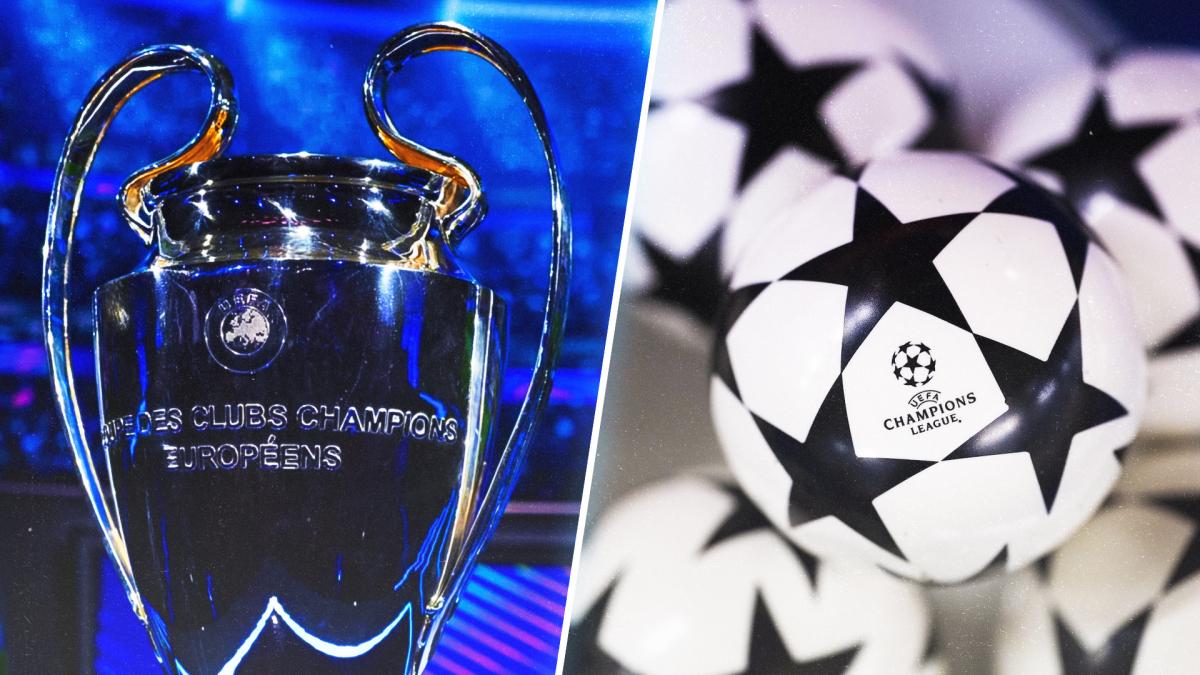
UEFA Champions League: A New Paradigm
With every new season comes the anticipation of transformations and modifications, and the UEFA Champions League is no exception. Set to introduce a fresh format for its upcoming season, the governing body of European football— UEFA —has decided to make necessary adjustments to ensure the tournament maintains its prestige and excitement. These changes were discussed recently, with significant implications for clubs and fans alike.
### New Home and Away Rules: What You Need to Know
Contrary to the traditional home and away structure that has characterized the Champions League, UEFA has made a critical change regarding match allocation for the knockout phases. Under the new format, the team that finishes higher in the group stage will have the advantage of being the home team for the second leg of the knockout rounds. This is a significant shift aimed at boosting interest and ensuring competitive balance.
This resolution was predominantly approved during a recent meeting held by UEFA’s Interclubs Competition Committee just before the Champions League final. With the regulation for the 2025-26 season already in place, this amendment can still be implemented if it receives ratification from the Executive Committee .
### Impacts on Strategy and Fan Experience
The alteration primarily shifts the advantage of home turf to the better-performing team in the group stages. This modification introduces a level of strategy that clubs must consider right from the onset of the tournament. In essence, the stakes are higher as every match in the group stage could now potentially dictate the fan experience in the knockout stages.
For fans, this means that the atmosphere and excitement will be heightened during the return legs in the knockout phases. A team that secured a better position in the group stages will not only be feeling confident; they will also enjoy the passionate backing of their home crowd in what could be decisive matches.
### Addressing Rumors and Future Regulations
While the focus has been on the modification of home and away match assignments, several other proposed changes have been discussed, including the rumor about eliminating extra time before penalty shootouts and the potential lifting of restrictions that prevent clubs from the same country facing each other in earlier knockout rounds. However, as of now, no further modifications have been confirmed.
### Keeping Tradition Alive Despite Changes
Despite these adjustments, UEFA is committed to maintaining the essence of what makes the Champions League an iconic tournament. The tournament’s rich history and tradition remain a central focus, ensuring the competition remains thrilling and attractive to fans across the globe.
Moreover, the shift in regulations does not detract from the emotional burden carried by clubs and supporters throughout the competition. Each knockout match still embodies the passion and history surrounding this prestigious tournament.
### A Transparent and Engaging Process
The decision-making process within UEFA has exhibited a commendable level of transparency. By discussing potential changes in public forums and leading with fan engagement, UEFA aims to enhance the tournament while also addressing fan concerns . As the landscape of football continues to evolve, such deliberations reflect the governing body’s willingness to adapt and innovate.
### The Future is Bright
Looking ahead, the modifications to the UEFA Champions League indicate a systematically evolving game. By introducing these changes, UEFA demonstrates a commitment to maintaining interest while encouraging clubs to perform better throughout the various phases of the tournament.
The football world will undoubtedly be scrutinizing these adjustments. As the Champions League prepares to enter a new chapter, teams, fans, and analysts alike will keep a close watch on how these changes influence the competition.
Ensuring competitive balance, fan engagement, and adherence to football’s historic roots will be pivotal in determining the success of this new approach. Expect thrilling encounters and high-stakes matches as clubs vie not only for the trophy but to leverage their hard-fought advantages in the knockout stages.
In conclusion, UEFA’s proactive stance towards improving the Champions League reflects the dynamic nature of modern football, reaffirming its position as one of the most celebrated tournaments worldwide. The eager anticipation in football communities illustrates that while the rules may change, the passion for the game remains unwavering.