
Understanding the Importance of Heat Protection in Sports and Health
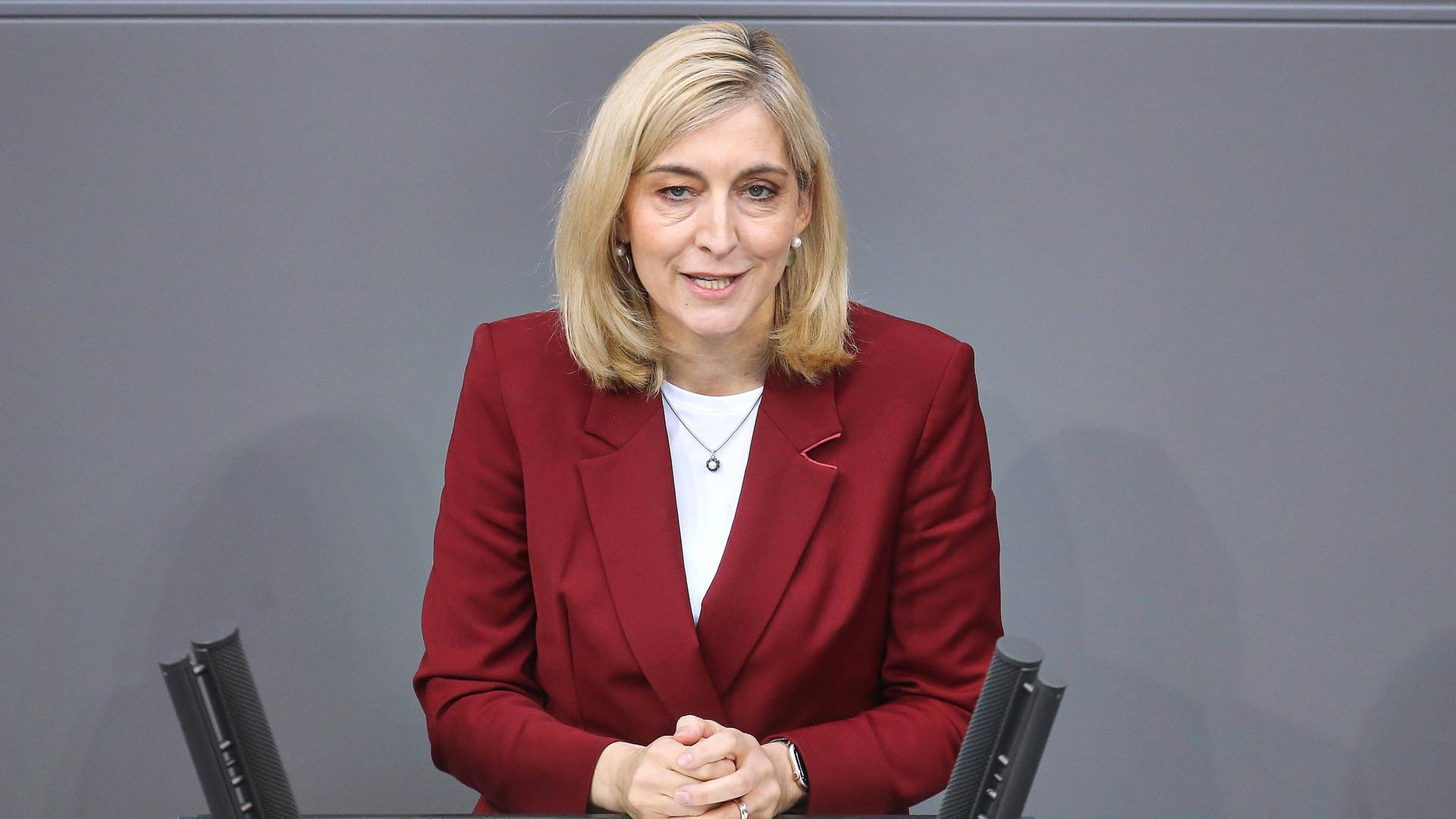
Health Minister Nina Warken recently highlighted the urgent need for heat protection measures, particularly for athletes and spectators engaged in outdoor sports during the summer months . As temperatures soar, the risks associated with heat exposure become more pronounced, jeopardizing health and performance.
The Heat Protection Plan: Key Recommendations
The Heat Protection Plan proposed by the health minister aims to safeguard all participants and spectators in competitive sports . Key recommendations include:
1. Canceling events : In instances of extreme heat, games and competitions should be suspended to prevent heat-related illnesses.
2. Providing hydration : Ample access to cool water for athletes and spectators is imperative.
3. Offering sun protection : Distributing free sunscreen and sunglasses to children engaged in sports is an initiative to mitigate sun exposure.
4. Monitoring health : Athletes are encouraged to regularly monitor their heart rates during training sessions, enabling them to identify signs of heat stress or overexertion.
5. Rescheduling activities : Major tournaments and seasonal highlights may need to be rescheduled to cooler months or held during the morning or evening when temperatures are lower.
This comprehensive approach not only addresses the safety of athletes but also emphasizes the responsibility of organizations to create a safe sporting environment.
Broader Implications: Health and Therapy
The implications of the Heat Protection Plan extend beyond the realm of sports. It also touches on the operations of pharmacies and psychotherapeutic practices . In therapeutic settings, professionals are advised to educate patients on the dangers associated with heat, especially for vulnerable populations.
Pharmacies, on the other hand, have a critical role in ensuring that medications remain effective despite rising temperatures. Temporary measures may need to be implemented to protect the quality of pharmaceuticals , thereby safeguarding consumers.
Statistics and Concerns: The Rising Heat Toll
Statistics from the Federal Environment Agency indicate a concerning trend. Over the past few years, Germany has witnessed approximately 3,000 heat-related deaths each summer. This alarming figure primarily affects elderly individuals, particularly those over 75 years of age and those with pre-existing health conditions such as dementia, cardiovascular diseases , or respiratory problems . The data serves as a stark reminder that rising temperatures pose serious health risks, particularly for at-risk populations.
The Path Forward: Emphasis on Awareness and Action
The recent announcements and recommendations from Health Minister Warken underscore an essential shift towards proactive measures in dealing with the effects of climate change on public health. As temperatures continue to rise, awareness and prevention are paramount. By prioritizing heat protection, we can ensure the well-being of athletes and spectators alike.
It is vital for communities, sports organizations, and healthcare providers to collaborate in implementing these guidelines effectively. Training sessions should incorporate regular breaks for hydration and monitoring. Additionally, there should be a concerted effort to communicate these measures to the public effectively, ensuring that everyone understands the risks and the appropriate steps to mitigate them.
Adapting to these climate challenges will require not only organizational changes but also a cultural shift in how we approach health and sports during the hotter months. Through mutual support and understanding, we can safeguard our communities against heat-related risks, allowing for healthier and safer outdoor activities all year round.
General News – 2