
USD Tariffs and Their Impact on California’s Economy
The twin ports of Los Angeles and Long Beach serve as a crucial barometer for the health of the American economy, handling approximately one-third of all freight containers entering the country. In early May, both ports reported a staggering 35% decline in cargo volume compared to the previous year, highlighting the direct impact of ongoing trade tensions, particularly the imposition of tariffs and the persistent trade war.
Furthermore, a global survey conducted by Allianz Trade, a credit insurer, reveals stark predictions for export revenues. A troubling 45% of businesses surveyed expressed concerns about declining revenues due to these trade disruptions.
The Trigger: Ongoing Trade Wars
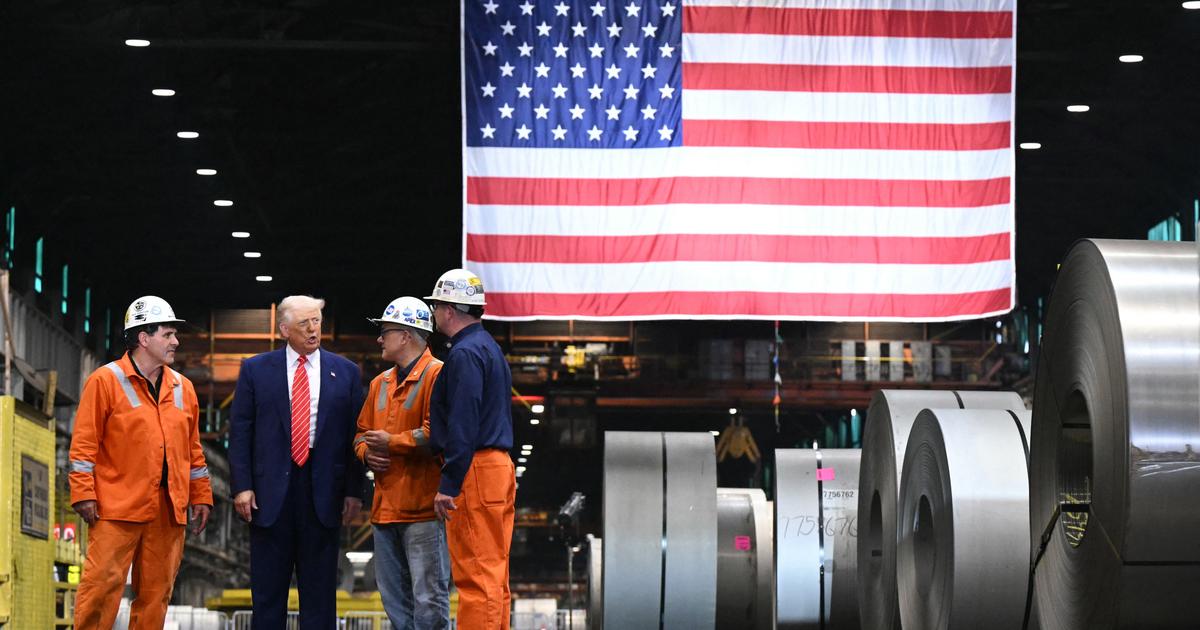
The primary source of this economic malaise can be traced back to the ongoing trade war, a conflict that shows no signs of abating. In just a span of ten days in May, then-President Donald Trump wielded his signature threats of tariffs twice—first announcing a 50% tariff on imports from the European Union before retracting it, and then unveiling prohibitive tariffs on steel and aluminum imports.
These fluctuations create a climate of uncertainty, which the business community responds to with caution. Companies are pulling back on investments, opting to freeze or delay initiatives until they can better predict how tariffs and trade policies will shift. This retraction means not only a drop in import volumes but also significant implications for domestic job markets that depend on robust trade.
Economic Ripple Effects
As tariffs take hold, consequences ripple through various sectors of the California economy. Import costs are moving skyward, which in turn pushes up the prices consumers ultimately pay for everyday goods. Analysts have warned of an impending economic slowdown, with projections indicating that inflation could rise as businesses pass the higher costs associated with tariffs onto consumers.
The lack of consumer confidence is palpable, and it is leading to reduced spending and investment—two key components of a thriving economy. The situation is further exacerbated by a growing number of corporations warning of layoffs, a contingency many have started to consider should the trade war persist.
The implications don’t stop at the corporate level. If consumer spending continues to falter, public services funded by sales taxes could dwindle, placing further strain on local governments.
Long-Term Economic Outlook
Looking ahead, the long-term forecast for the Californian economy is worrisome. While industry leaders remain cautiously optimistic, many economists expect that the tariffs could reshape the way businesses operate, compelling them to focus on re-structuring their supply chains. This shift could potentially favor local suppliers over international ones, but it may take time to see any significant change.
Moreover, California’s industrial production, especially in sectors like machinery, technology, and agriculture, is positioned to feel the brunt of these economic adjustments. Companies will need to adapt rapidly to remain competitive while navigating the complexities of increased costs and international trade policies.
In summation, the battle over tariffs transcends mere fiscal numbers; it encompasses wider implications for consumer confidence, investment dynamics, and long-term economic strategies. The fragile equilibrium that has characterized the U.S. economy is at risk, and every new announcement in the realm of international trade could ripple through various sectors, testing their resilience and adaptability.
Recul de la confiance, gel des investissements, hausse des prix… Les droits de douane commencent à peser sur l’activité.