

| IN BRIEF |
|
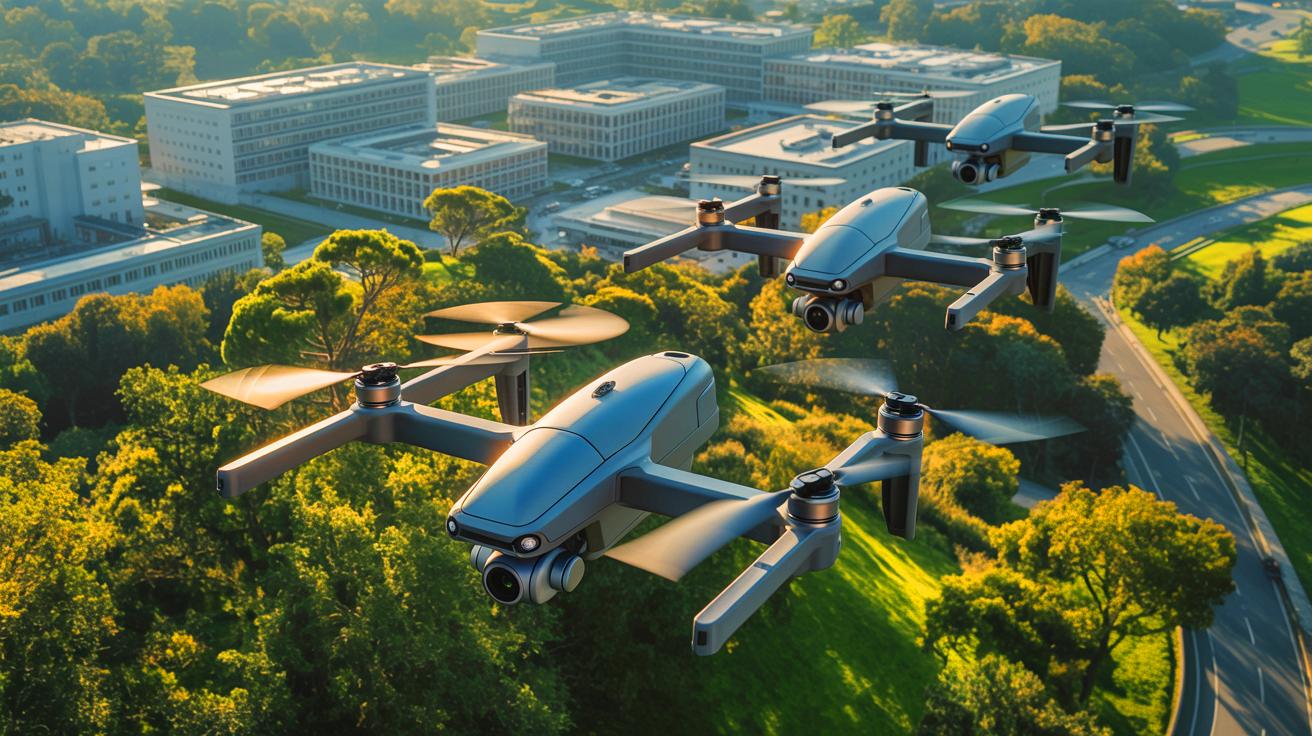
Recent sightings of unidentified drones over strategic sites in Europe, particularly in Italy, have elicited serious concerns among authorities. These aircraft, thought to be of Russian origin , were spotted above the European Union research center in Ispra , which plays a crucial role in the continent’s technological security. The geopolitical implications of these events are significant, raising critical questions about the intentions behind these flights and the necessary measures to bolster the security of vital infrastructures. The ongoing inquiry seeks to clarify these troubling incidents and assess potential ramifications on European security.
Concerning Flights Over Sensitive Territory
Located in the heart of Europe, the Joint Research Centre (JRC) of the European Commission has recently been the target of suspected Russian drone incursions. This technological hub is vital for the EU, hosting sensitive projects related to cybersecurity and civil defense . The drones were detected thanks to the JRC’s state-of-the-art electromagnetic sensors, which identified a signature typically associated with Russian technology. Five incursions were recorded in a single week , raising alarms among local and European authorities. These events reveal vulnerabilities in aerial surveillance in the region and emphasize the need to bolster detection and protection systems.
Violations of No-Fly Zones: A Security Challenge
The research center in Ispra is situated in a designated no-fly zone , yet this did not deter the drones. The proximity to facilities belonging to the Leonardo Group , which specializes in defense, accentuates the strategic importance of this area. These drones, equipped with thermal cameras, appear to be collecting sensitive data. In response to this threat, an anti-terrorism investigation has been launched by the prosecutor’s office in Milan , involving Italy’s intelligence services and law enforcement. This investigation could unveil significant strategic issues and influence the defense policy of EU member states.
“It’s not just a bomb”: the B61-13 conceals a secret capability that alters nuclear game rules
Historical Precedents of Russian Drone Flights
Drone flights of Russian origin are not a new phenomenon in Europe. In 2024 , similar incidents were reported near military bases in Norway and gas storage facilities in Germany . These events reflect a persistent trend of potential espionage by state actors. To counter this threat, a European collective response is essential. Member states must intensify their cooperation to protect critical infrastructure and develop advanced detection and neutralization technologies. The security and sovereignty of Europe depend on the ability to confront increasingly sophisticated threats.
Geopolitical Implications and Future Security Measures
The drone flights over European sites attributed to allegedly Russian actors carry profound geopolitical implications . These actions can be viewed as attempts at destabilization , exacerbating existing tensions between Russia and the European Union. In response to these challenges, Europe needs to adapt its security strategies and enhance defense capabilities, possibly in cooperation with NATO . Investing in research and development of anti-drone technologies is crucial to anticipate these threats. The future of European security hinges on the capacity to effectively address these challenges. How will the European Union strengthen its resilience against escalating aerial threats and preserve its strategic autonomy?
The author utilized artificial intelligence to enrich this article.
Did you enjoy this? 4.4/5 (21)
General News – 2