
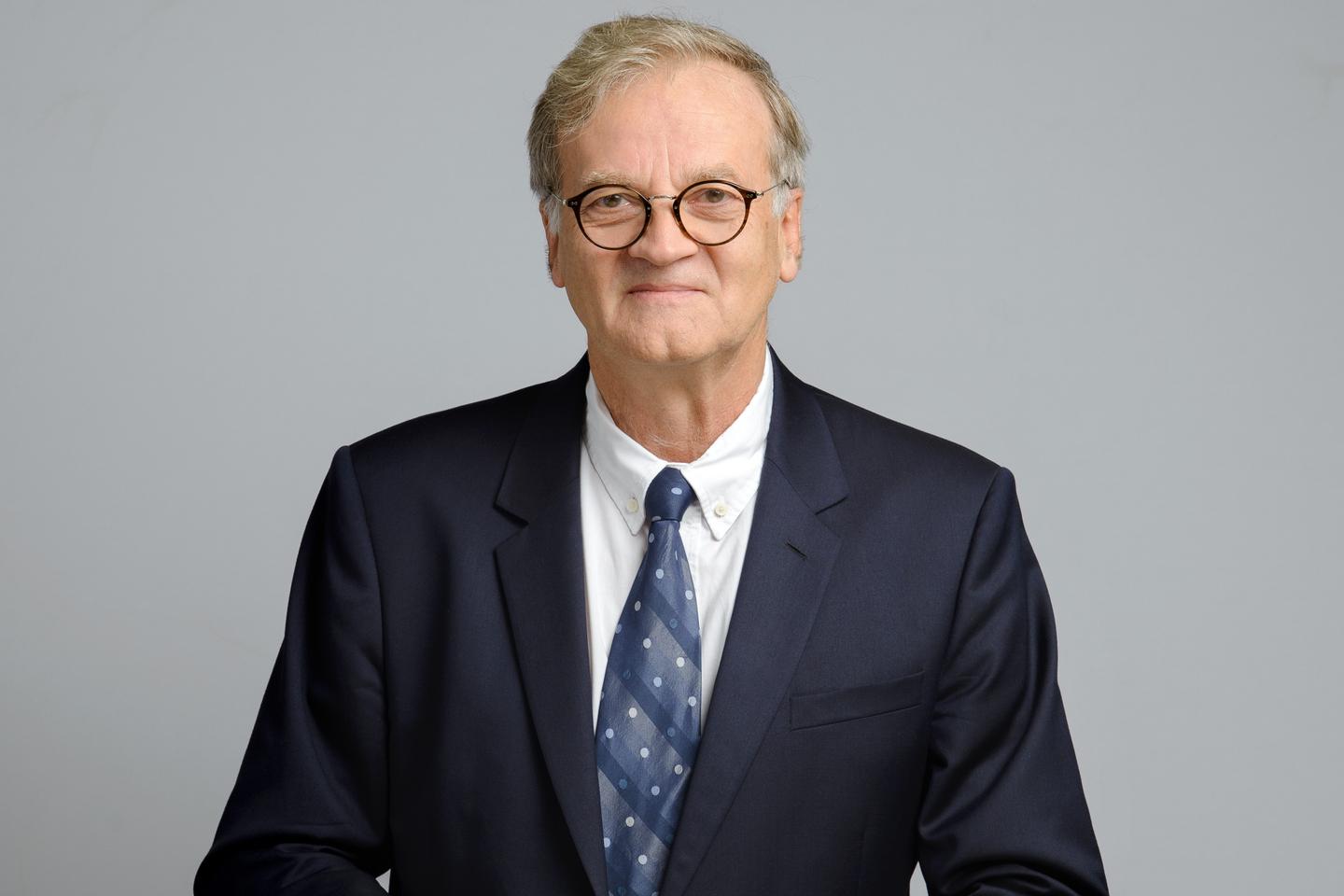
Meeting the Challenges of Cancer Care: An Interview with Philippe Bergerot
Dr. Philippe Bergerot , a 69-year-old radiation oncologist , dedicated his career to battling cancer at a hospital in Saint-Nazaire , Loire-Atlantique, until his retirement in 2023 . His journey with the Ligue contre le cancer began in 1998 , prompted by early discussions around the needs of patients affected by this devastating disease. In May 2024 , he took over the presidency of the association from Daniel Nizri and is preparing for re-election at the end of June. We sat down with Dr. Bergerot to discuss his commitment to protecting patient rights and improving cancer care.
The Current Landscape of Cancer Care
“During my early years, a cancer diagnosis was almost invariably a death sentence ,” Dr. Bergerot reflects. “Nowadays, however, we’ve entered a new era where cancer is often treated as a chronic disease . With advancements such as hormonal therapies lasting up to ten years, there has been a genuine revolution in treatment options. But for the approximately 4 million French individuals currently living with or having survived cancer, navigating the complexities of the healthcare system remains a daunting task.” He emphasizes that beyond just medical treatment, there exists an urgent need for emotional and psychological support for patients. “These individuals require assistance not only to endure their treatments but also to reclaim a satisfactory quality of life. Frustratingly, the current situation indicates a decline in patient rights and an increase in health inequalities .”
Fighting for Equality in Cancer Care
Earlier this year, Dr. Bergerot mobilized a collective of patients and caregivers, driven by the need to amplify the patient voice. “In November, following the initial discussions at the States General of cancer patients , we decided to form this collective to tackle the disparities in cancer care,” he shares. “This effort culminated in a manifesto presented to the President of France in February, consisting of ten pivotal recommendations aimed at overhauling how we approach cancer from screening to end-of-life care .” The recommendations cover essential topics like access to medications, healthcare services, eliminating out-of-pocket costs, pathways back to employment, and recognizing the critical role of caregivers. “Surprisingly, we found through various surveys that about one-third of patients did not have a dedicated consultation to discuss their diagnosis . Furthermore, the time allocated for these discussions frequently fell short of fifteen minutes .”
Addressing the Emotional Needs of Cancer Patients
Dr. Bergerot underscored the importance of the psychological journey that cancer patients endure. “The process of receiving a diagnosis is not merely about the clinical aspects; it’s a life-altering event that requires careful handling. From the moment they hear the word ‘cancer,’ patients are embarking on a significant emotional challenge that needs to be addressed by healthcare professionals.” He advocates for comprehensive support services, stating that the integration of psychological counseling into treatment regimens can make a substantial difference in patient outcomes. “It’s imperative that we begin to value this emotional aspect as critically as the physical treatment.”
Looking Ahead: The Future of Cancer Advocacy
As he prepares for his upcoming re-election, Dr. Bergerot is more determined than ever to ensure that patient concerns are prioritized. He emphasizes the urgency of addressing health inequalities . “Our health system must be equal for all,” he insists. “We need policies that ensure that no patient feels abandoned or unsupported.” He also calls for ongoing dialogue with policymakers to enact the recommended changes from the manifesto, underlining the necessity for a robust support system for caregivers as well as patients. “Without their tireless efforts, patients would struggle even more. We must ensure that they, too, are recognized and supported adequately.”
Dr. Bergerot’s commitment to improving cancer care is evident in his insightful leadership and profound empathy for both patients and caregivers. As the landscape of cancer treatment continues to evolve, advocates like him play an essential role in steering systemic improvements, ensuring that every individual facing cancer receives not just medical treatment, but holistic support tailored to their unique needs.