
Solar energy no longer pays off, unless you store it: Engie sounds the alarm in France. This outcry affects both individuals and industrial players in the photovoltaic market.
During a press conference held on May 28, Catherine MacGregor, the head of Engie, laid down the law: “We need to develop storage solutions to harness the benefits of cheap and abundant solar energy. Instead of halting solar energy initiatives, let’s accelerate battery development.” As relayed by Contexte.
This intervention is serious. It comes at a time when political support for photovoltaics is sharply retreating for both individuals and businesses. A recent example is the S21 tariff order published in late March, which reshapes the landscape for those looking to produce their own solar electricity.
Solar Energy Under Attack on All Fronts
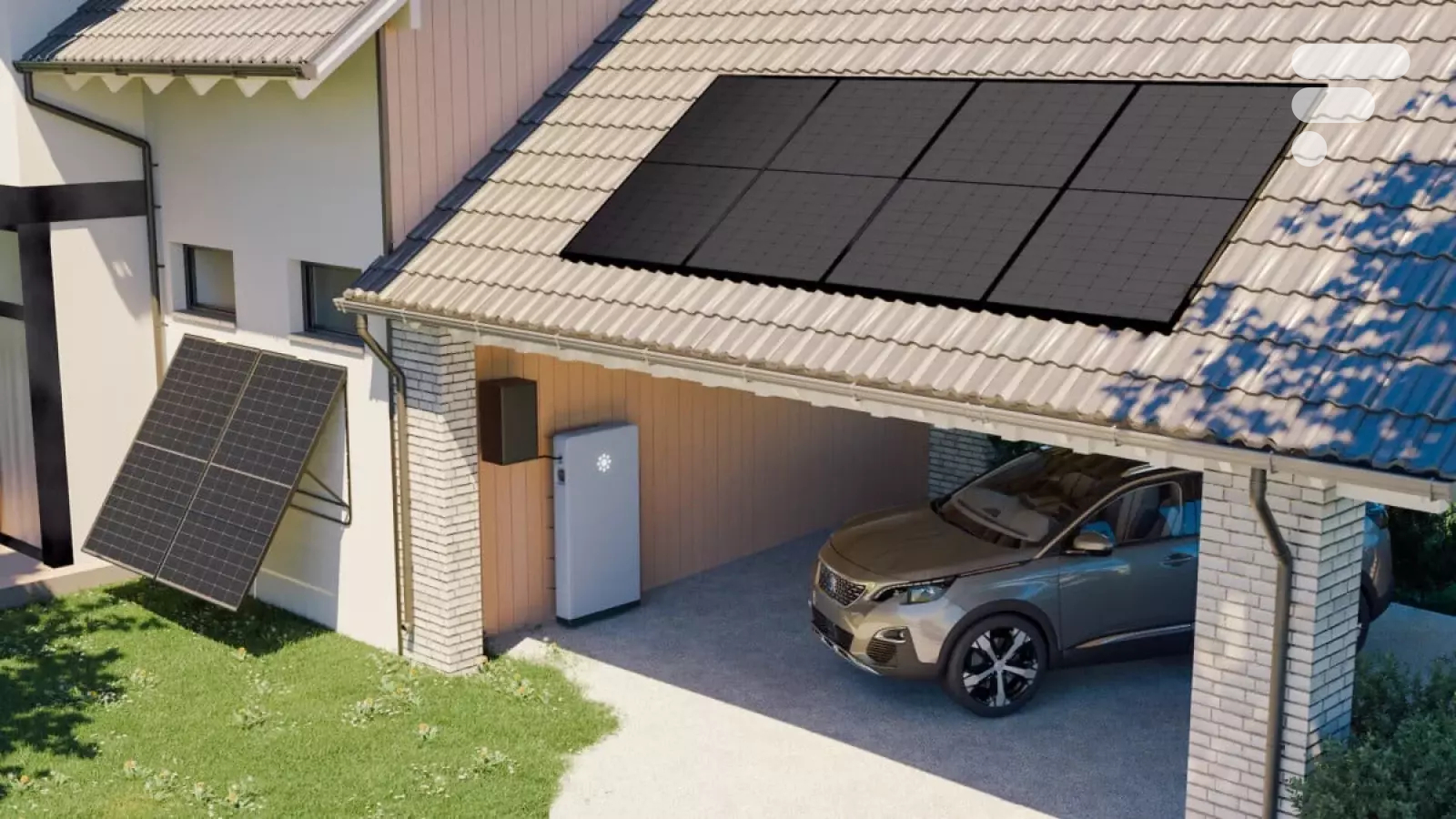
With the drastic reduction in the self-consumption bonus and surplus buy-back price (which has dropped from €0.127 to just €0.04 per kWh), producing electricity for resale is no longer profitable for individuals. The direct consequence is clear: without storage, a significant portion of generated electricity flows back into the grid at low prices, prolonging the return on investment and ultimately diminishing the earnings from the installation.
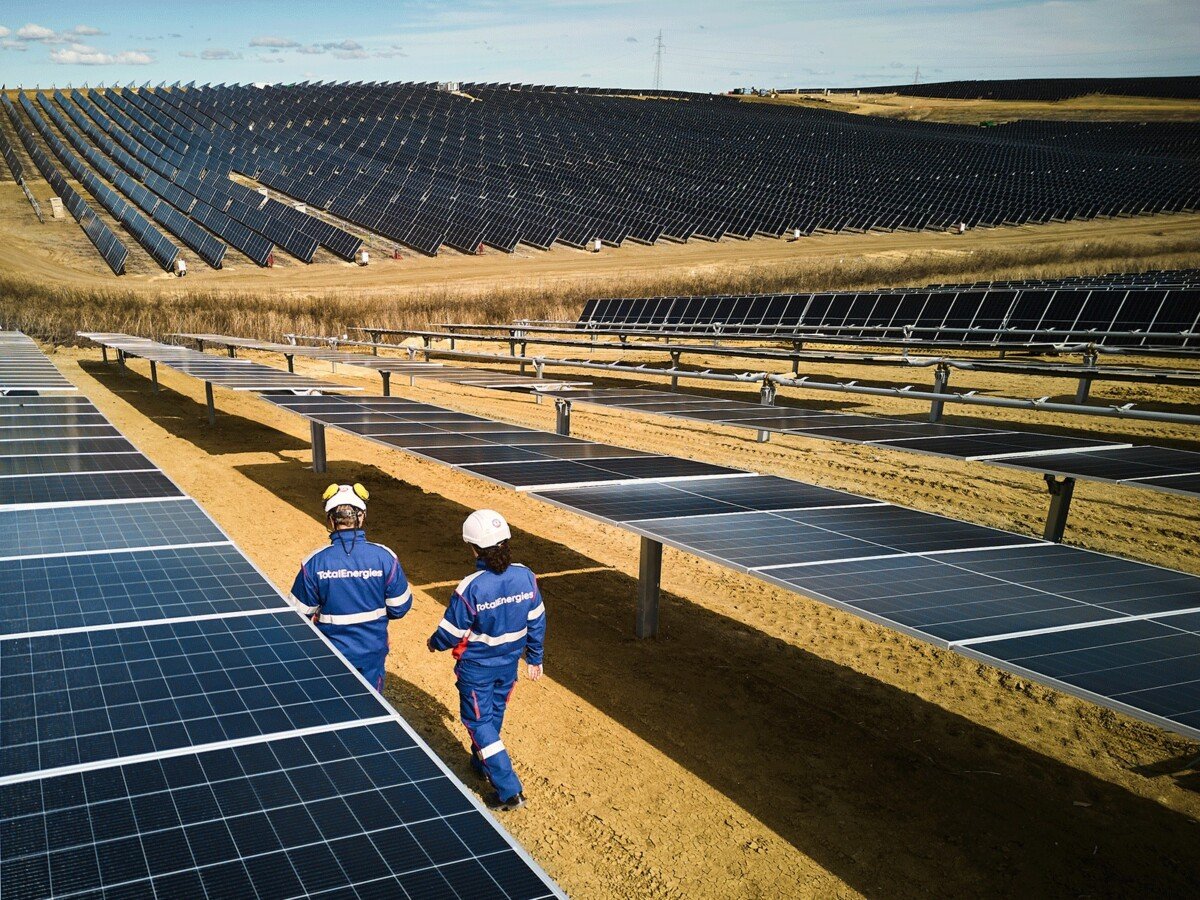
For professionals, the situation is equally bleak. Since April 1, a deposit of €10,000 is required for photovoltaic projects exceeding 100 kWc. This decision is presented as a way to filter out non-viable projects, but it significantly complicates matters for small communities and modest stakeholders.
As if that weren’t enough, even the most obvious surfaces for solar installations have seen setbacks. The obligation to cover outdoor parking areas with solar panels has been relaxed. Now a vegetated shading structure suffices, presenting a subtle exit for large companies reluctant to invest.
Storage as the Backbone of Solar Energy
According to Engie, the issue is not that there is too much solar energy, but rather that we do not know how to utilize it at the right time. This is where batteries come into play.
Storage not only smooths out production (by saving energy for peak hours) but also secures the grid by reducing sudden power demands. This is a critical topic as solar projects multiply without guarantees of proper integration.
However, the current French regulatory framework does not keep pace. There are no clear national objectives for storage (the famous PPL), no specific remuneration mechanisms, nor strong incentives for coupling panels and batteries. Consequently, hybrid project developers (panels + batteries) are often not finding financial viability. At least, they aren’t receiving the right signals at present.
An Underlying Trend Among Individuals
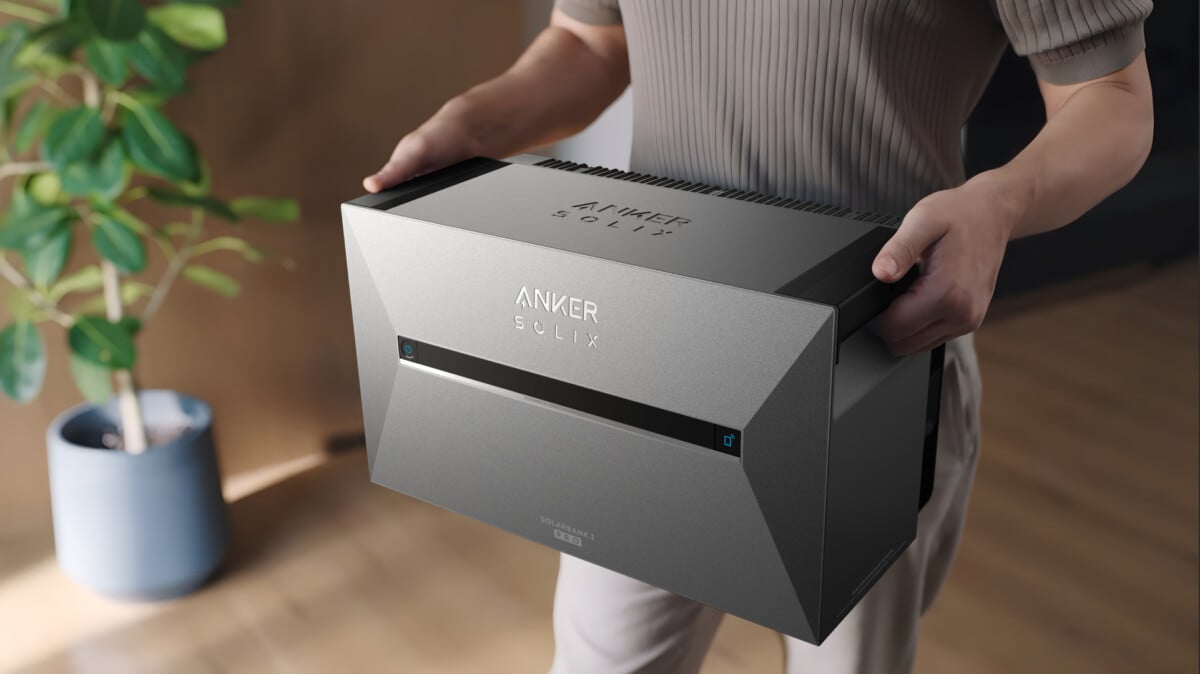
Interestingly, for individual consumers, solar batteries are transitioning from a luxury accessory to an indispensable ally. With the decrease in buy-back tariffs, it’s better to consume what one produces. Without a home battery, this consumption is limited to sunny hours. As highlighted in our comprehensive dossier on the subject, numerous products are already lined up to cater to this nascent market.
To Learn More
Why Solar Batteries Are Now Indispensable in France for Individuals
Accelerating battery development is a prerequisite for solar energy to fulfill its promises in the energy transition. If the government genuinely intends to make photovoltaics a cornerstone of its strategy, it must stop cutting support on one side while neglecting essential links in the system, such as storage.
General News – 2