

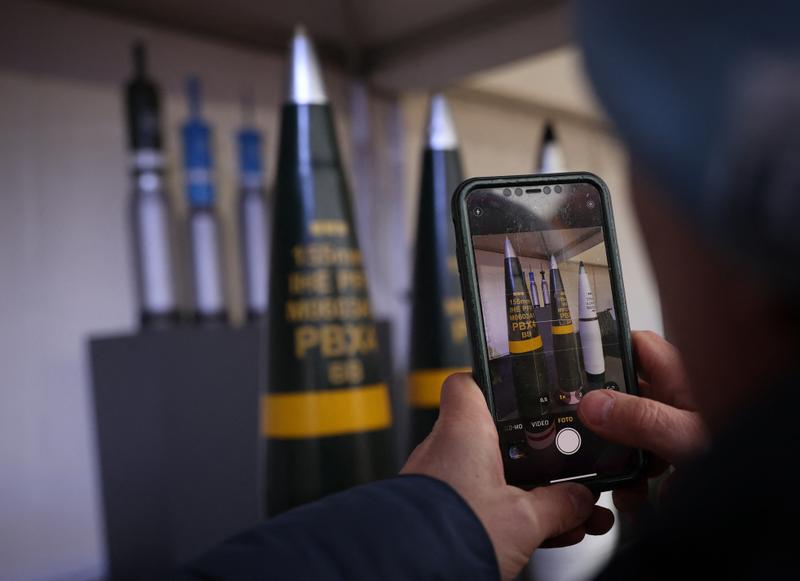
The Transformation of German Manufacturing: A Shift to the Defense Sector
The German manufacturing industry is undergoing a significant transformation as companies pivot towards the defense sector . This shift comes at a crucial moment when many businesses in the automotive supply chain are declaring bankruptcy, with pressures stemming from competition and a decline in sales. One such entrepreneur, Thomas Hirsch , has made a strategic move from automotive to defense manufacturing, with the hopes of revitalizing his company and contributing to Germany’s broader economic recovery.
Hirsch, who founded Hirsch Engineering in 2016, was initially focused on providing precision mechanical parts for the automotive industry. However, the COVID-19 pandemic served as a wake-up call. “I had a realization in 2020 when the supply chains were disrupted,” he said. Hirsch acknowledged the vulnerabilities of sole reliance on the automotive sector, pointing out that it was crucial to diversify his business interests.
Adapting to Market Realities
As major automotive players like Audi have faced plummeting sales and weakened operational margins, the resilience of suppliers like Hirsch Engineering becomes even more critical. The transformation from automotive supplier to defense contractor does not come without its challenges, but Hirsch is optimistic. “With the downturn of the automotive sector, there is an emerging demand for defense products,” he explained, alluding to Germany’s rising defense spending amidst geopolitical uncertainties.
Germany has long been known for its manufacturing prowess , particularly in automotive engineering. However, the geopolitical landscape is pushing the country towards a renewed focus on military production, especially as the ongoing conflict in Ukraine has reshaped perspectives on global security and defense spending.
The Role of Technology in the Transition
The integration of advanced technologies will be pivotal in this transition. Companies like Hirsch Engineering are not only transitioning their products but also investing in high-tech solutions that enhance manufacturing capabilities. This could involve automation, advanced robotics, and artificial intelligence to streamline production processes and improve efficiency.
Hirsch noted that the era of merely being a manufacturer is over; now, companies must be innovators. He emphasizes the importance of research and development (R&D) as critical components for remaining competitive. “R&D helps in not only improving existing products but in developing entirely new solutions that meet the demands of the defense sector,” he concluded.
Economic Implications of the Shift
The shift towards defense manufacturing has broader economic implications for Germany. As companies like Hirsch Engineering grow, they are expected to create jobs and stimulate economic activity in struggling regions. This transition aligns with the government’s efforts to bolster its defense industry, especially as it pledges to increase defense spending significantly.
Moreover, the skills developed within these firms can be transferable back to the automotive sector, should that industry see a recovery. This adaptability is essential, as the manufacturing ecosystem in Germany is interconnected. The promise of sustained employment in the defense sector could provide a buffer for those in the automotive supply chain who might find themselves out of work during downturns.